The Cranberry cotoneaster Plant Advantage: Maximizing Home and Office Appeal and Wellness
1
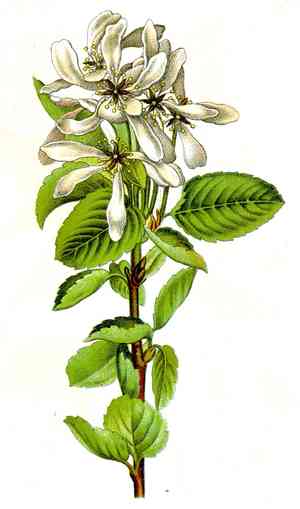
The Cranberry cotoneaster is recognized for its striking red fruit, enhancing the aesthetic of any landscape.
2
This species exhibits significant resilience to diverse soil types and surroundings.
3
Cranberry cotoneaster offers effective natural soil stabilization for inclines and elevated areas.
Why Select Cranberry Cotoneaster for Your Landscape?
Enhanced Visual Appeal
A prominent characteristic of Cranberry cotoneaster is its striking red fruits, which draw the eye and infuse your garden with vibrant color, especially during autumn and winter. This makes it an excellent option for gardeners aiming to sustain visual interest throughout the year. Furthermore, its small, dense foliage offers a rich, green backdrop that can beautifully complement other plants in your outdoor space.
Seasonal Interest
Beyond its red berries, Cranberry cotoneaster provides year-round beauty. In spring, it produces small, delicate white or pink blossoms, which attract pollinators like bees and butterflies. As the seasons progress, the plantâs leaves also change, displaying a range of hues from vivid green in summer to deep reds and oranges in fall. This dynamic display ensures your garden remains lively and captivating regardless of the time of year.
Practical Benefits of Incorporating Cranberry Cotoneaster
Soil and Environment Tolerance
Cranberry cotoneaster is renowned for its robust nature, capable of flourishing in various soil types, from clay to sandy. It is also remarkably drought-tolerant once established, making it a low-maintenance choice that lessens the need for constant watering and care. Its adaptability extends to diverse climates and conditions, ensuring it can grow well in different areas of your garden.
Natural Erosion Control
One of the often-overlooked advantages of Cranberry cotoneaster is its capacity to manage soil erosion. The plantâs extensive root system helps to stabilize the soil, making it an excellent selection for planting on slopes, hillsides, or any area prone to erosion. This characteristic not only preserves the integrity of your garden terrain but also supports environmental health by preventing soil loss and runoff.
Wildlife Support and Biodiversity
Attracting Beneficial Wildlife
Cranberry cotoneaster acts as a magnet for wildlife, fostering garden biodiversity. The flowers attract pollinators, vital for the ecosystem, while the berries provide sustenance for birds and other wildlife during colder months. This support for local fauna can transform your garden into a lively and thriving ecosystem.
Creating Shelter for Small Animals
The dense, bushy growth of Cranberry cotoneaster offers an excellent habitat for small animals and birds, providing refuge and nesting sites. This not only contributes to biodiversity but also enriches your garden experience as you observe a variety of wildlife flourishing in a space you've cultivated.
Low Maintenance and Pest Resistance
Minimal Upkeep
A primary appeal of Cranberry cotoneaster is its low maintenance requirements. Aside from occasional pruning to maintain shape and remove dead branches, this plant needs minimal intervention. It does not demand frequent fertilization or specialized care, making it an ideal choice for both novice and experienced gardeners.
Resistance to Common Pests and Diseases
Cranberry cotoneaster exhibits remarkable resistance to many common garden pests and diseases, reducing the need for chemical treatments and interventions. This resilient nature ensures the plant remains healthy and vibrant with minimal effort on your part, contributing to a more sustainable gardening practice.



