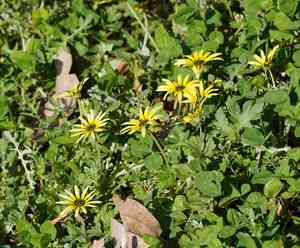
Cape dandelion (Arctotheca calendula)
Also known as: Plain Treasure Flower, Fertile Capeweed, Cape daisy, Plain treasureflower, Silverspreader
Cape dandelion (Arctotheca calendula) is a hardy perennial ideal for ground cover, flourishing best in sunny locations. Here are the key care instructions and conditions for growing it successfully:
1. **Sunlight:** Requires full sun to thrive, but can tolerate some partial shade.
2. **Soil:** Prefers well-drained soil, adaptable to various soil types, including sandy and loamy soils.
3. **Watering:** Water moderately; drought-tolerant once established.
4. **Temperature:** Best suited for warm climates; protect from frost.
5. **Propagation:** Easily propagated by dividing rhizomes or sowing seeds after the last frost.
6. **Bloom Time:** Produces bright yellow, daisy-like flowers from spring to summer, attracting pollinators such as bees and butterflies.
7. **Maintenance:** Minimal upkeep; deadhead spent flowers to control self-seeding and maintain tidy growth.
Regular monitoring and adherence to these guidelines will help ensure Cape dandelion thrives as an effective and attractive ground cover.
Attributes of Cape dandelion
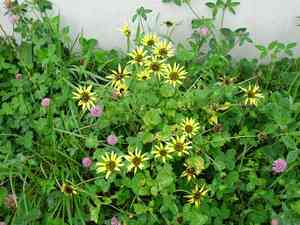
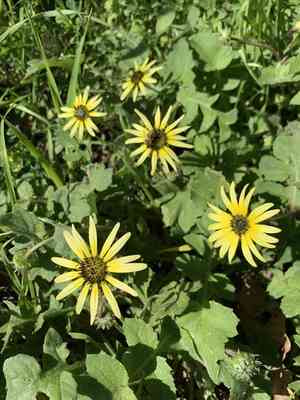
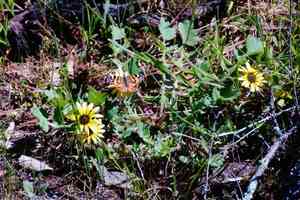
Images of Cape dandelion
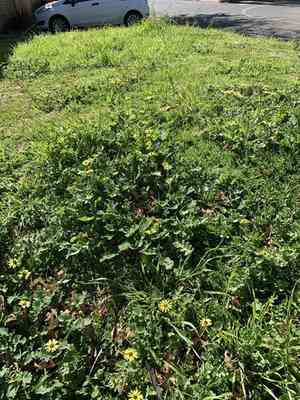
Quickly Identify Cape dandelion
Scientific Classification of Cape dandelion
Planting and Growing of Cape dandelion
 How to Water Cape dandelion?
 What Are the Sunlight Requirements for Cape dandelion?
 What Is the Ideal Temperature Range for Cape dandelion?
 What Soil is Best for Cape dandelion?
 How to Fertilize Cape dandelion?
 How to Prune Cape dandelion?
 How to Propagate Cape dandelion plant?
 How to Repot Cape dandelion plant?
Toxicity of Cape dandelion
Is Cape dandelion toxic to humans?
The Cape dandelion is known to have a mild level of toxicity in humans, which can result in poisoning if ingested. Every part of the plant is regarded as toxic, and consumption can trigger various symptoms. Those who inadvertently consume any portion of the Cape dandelion might face gastrointestinal issues, including nausea, vomiting, and diarrhea. Furthermore, they may exhibit symptoms of oral irritation, such as a burning feeling in the mouth, excessive salivation, and difficulty swallowing. It is crucial for individuals, particularly those with children or pets, to recognize the toxic characteristics of this plant and to take measures to avoid any accidental ingestion of its parts.
Is Cape dandelion toxic to cat?
The cape dandelion exhibits a mild level of toxicity in felines. Should a cat ingest any part of the cape dandelion, it could lead to unintentional poisoning. The entire plant is toxic, meaning that any exposure to its parts might result in health issues. Cats that have ingested cape dandelion may display symptoms of physical discomfort. It is vital to keep a close watch on the cat for any signs of distress and to promptly obtain veterinary assistance to ensure proper care. Quick action is essential for the health and welfare of the affected feline.
Is Cape dandelion toxic to dog?
The cape dandelion is recognized for its mild toxicity in dogs. Canines may unintentionally ingest various parts of the cape dandelion, resulting in a risk of poisoning. The entire plant is deemed toxic, and should a dog eat any portion of it, they could show signs of poisoning. These signs may differ but frequently include gastrointestinal disturbances like vomiting or diarrhea, and in certain instances, may lead to more severe reactions based on the quantity consumed and the dog's individual sensitivity. It is essential for dog owners to keep a vigilant eye on their pets and restrict their access to cape dandelion to prevent unintentional ingestion. Should a dog ingest cape dandelion, seeking prompt veterinary attention is crucial to ensure adequate treatment and management of any arising symptoms.



