Rosy russula
Russula sanguinea
A species of Russulas. Also known as Blood red russula.
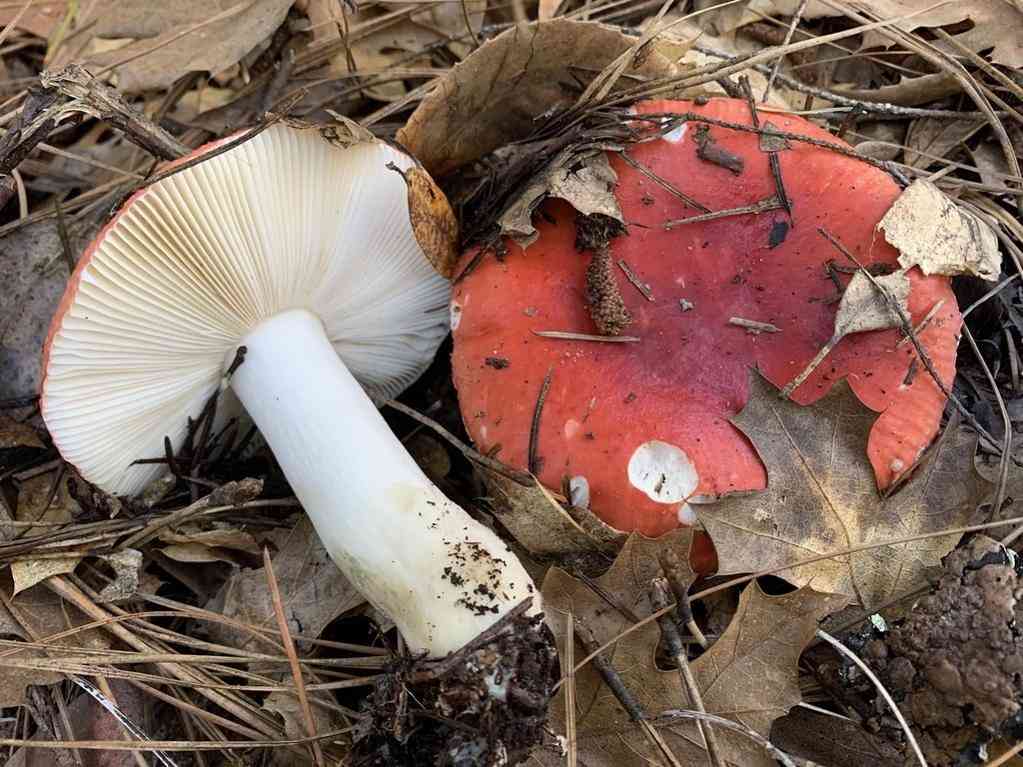
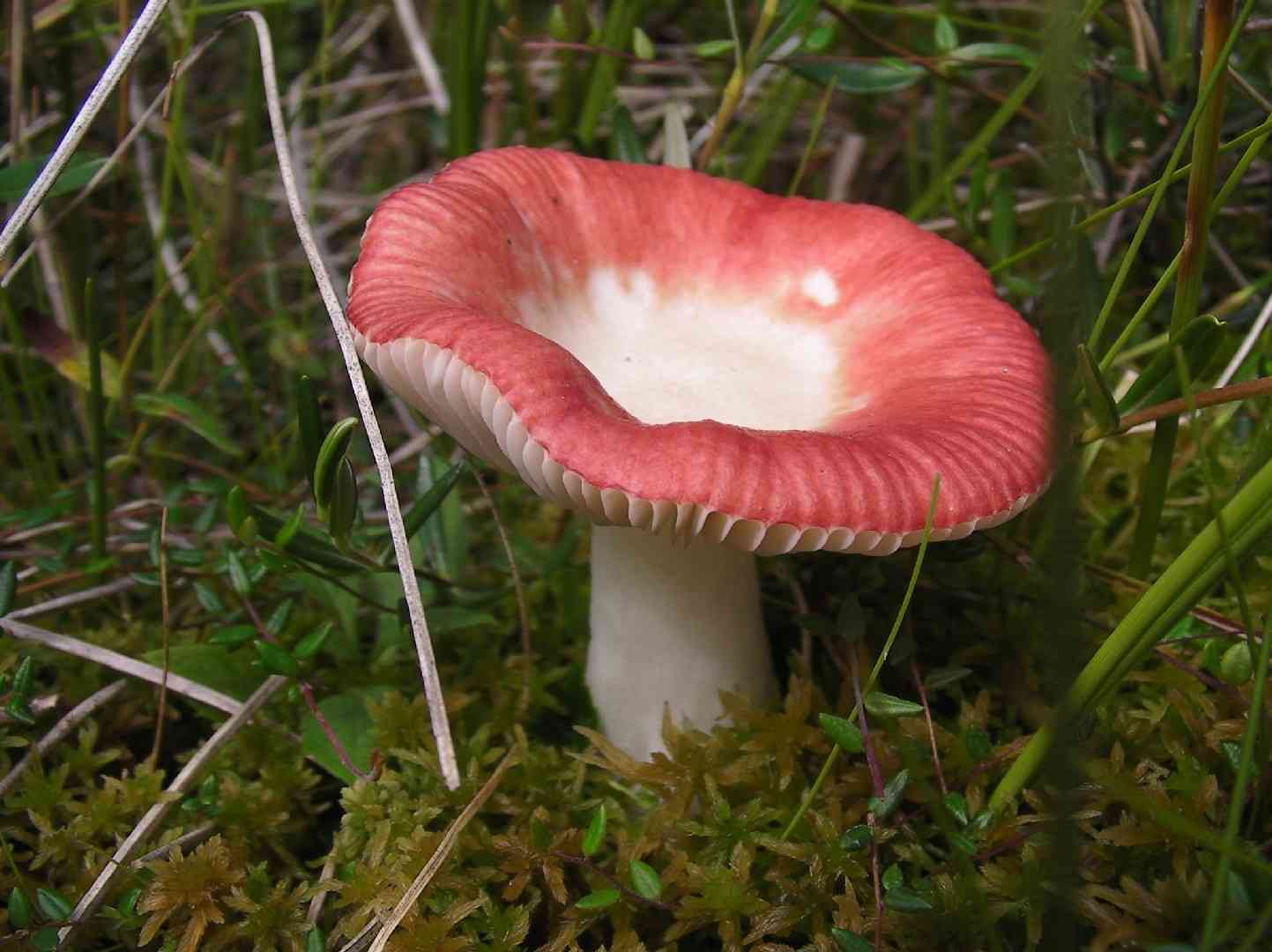
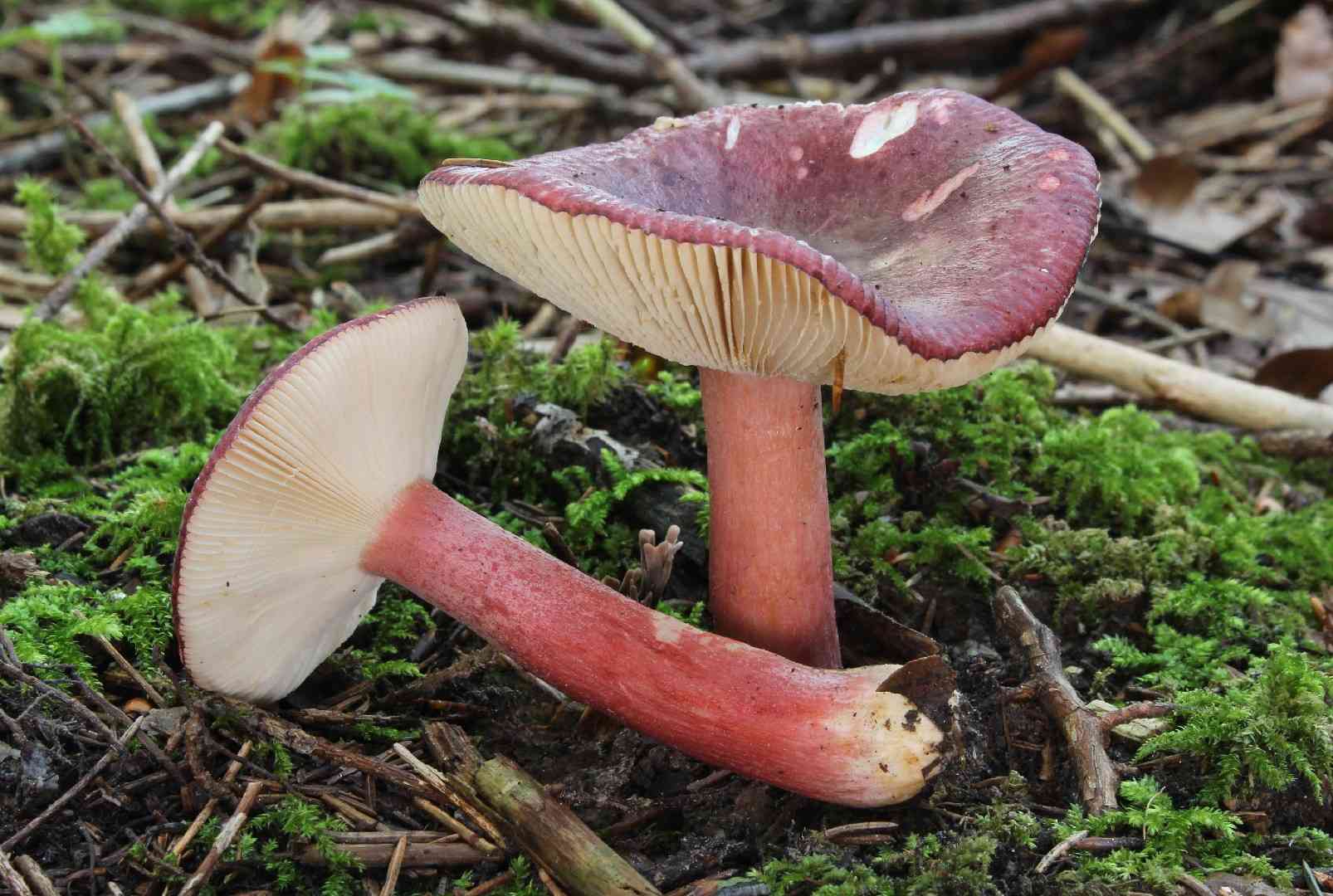
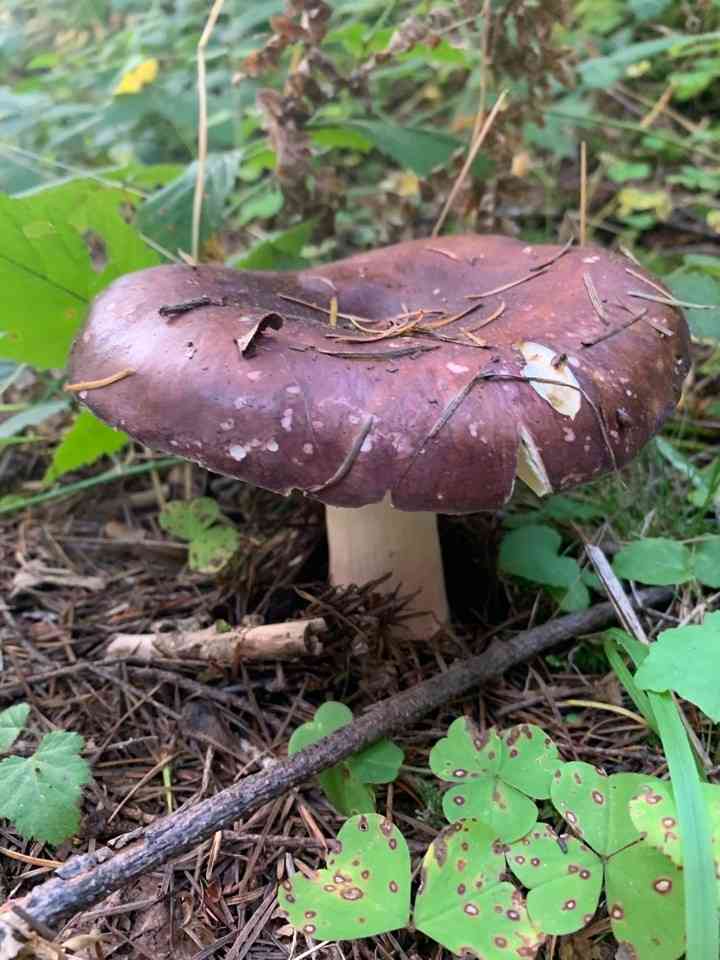
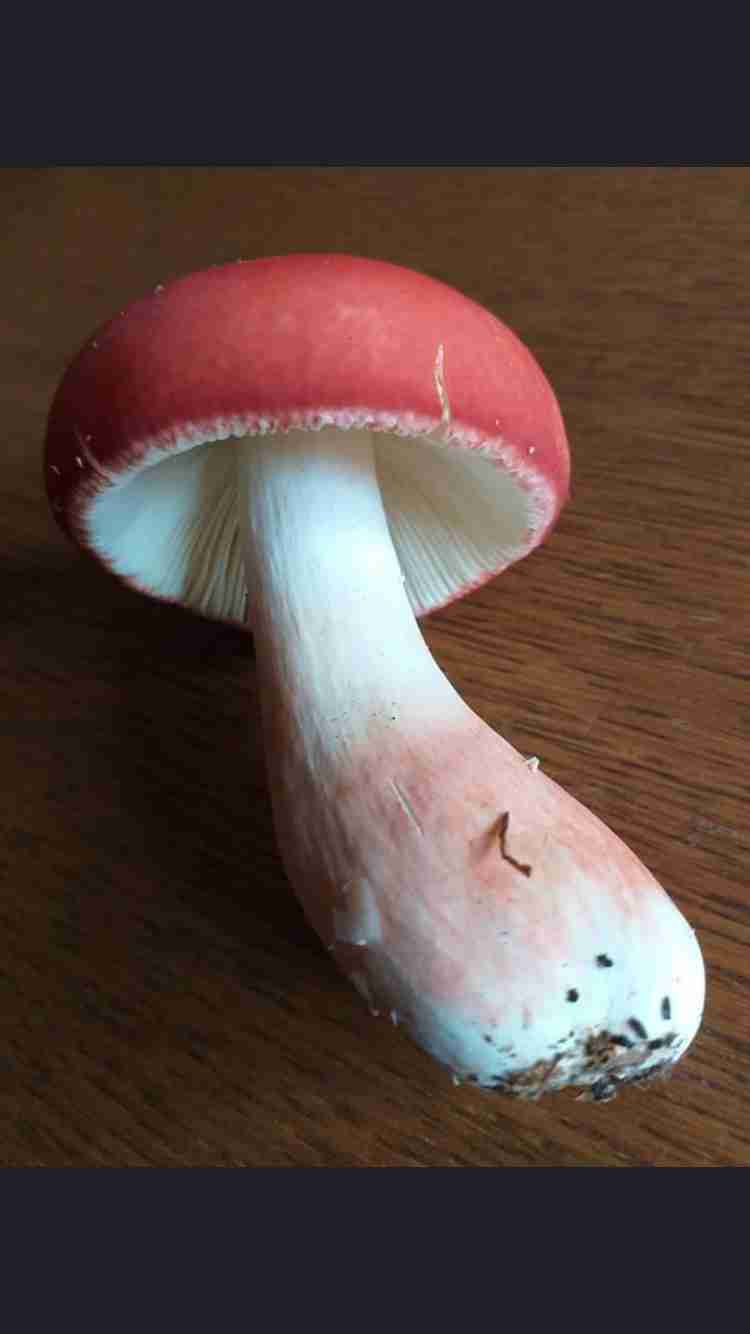
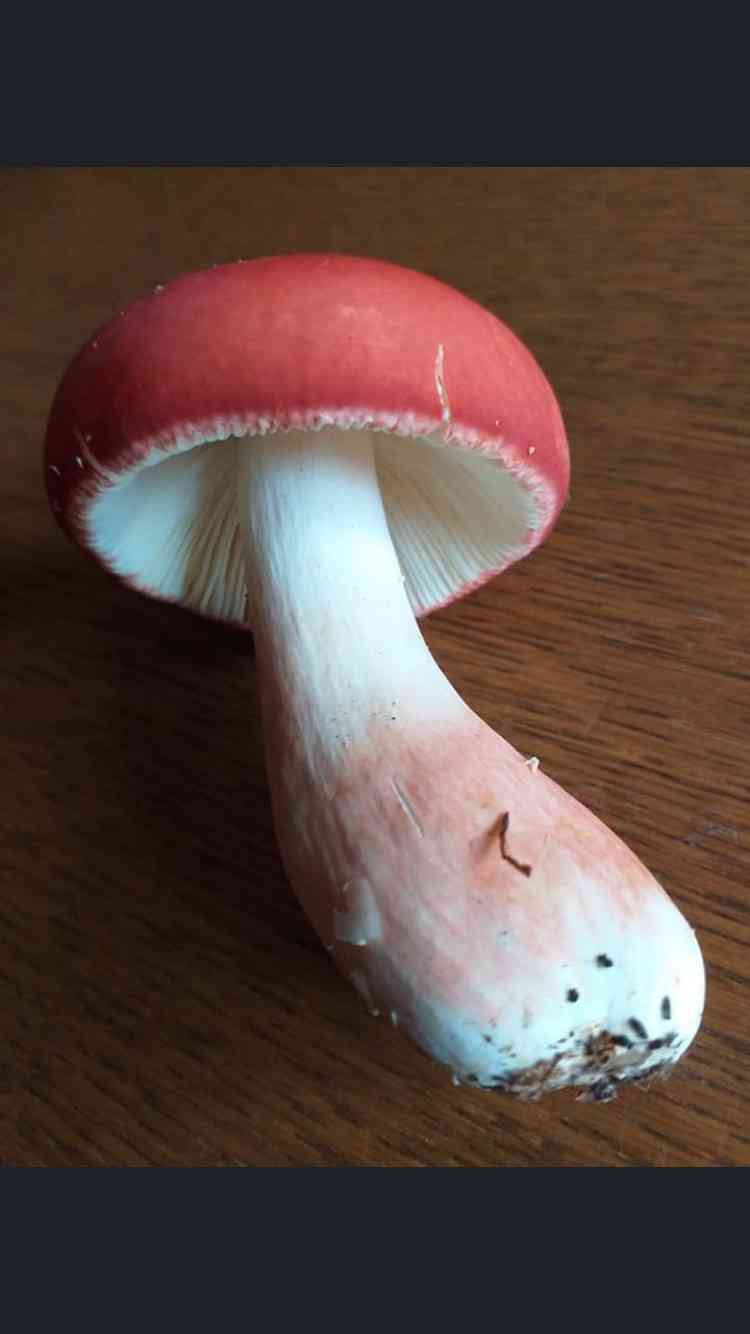
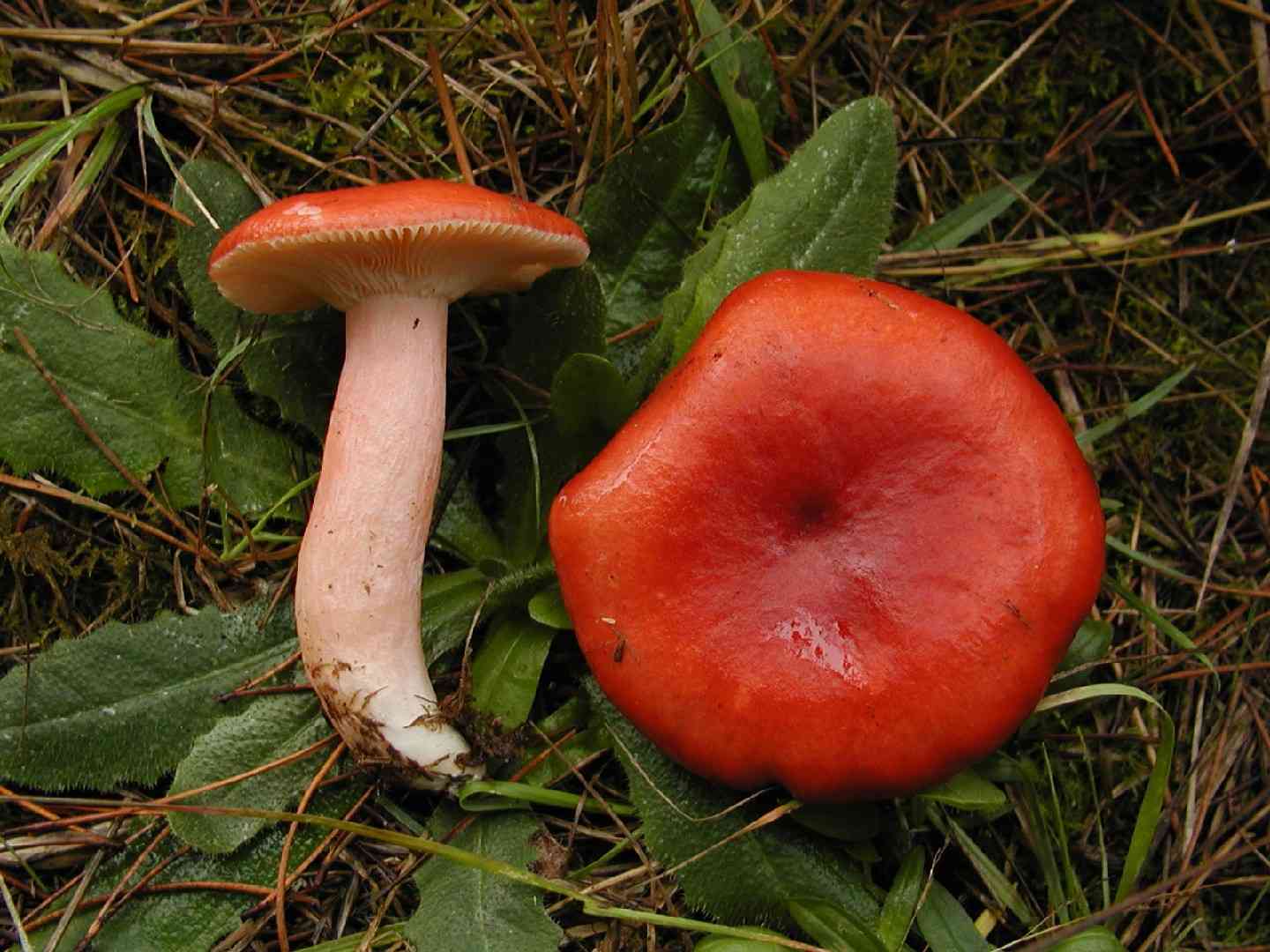
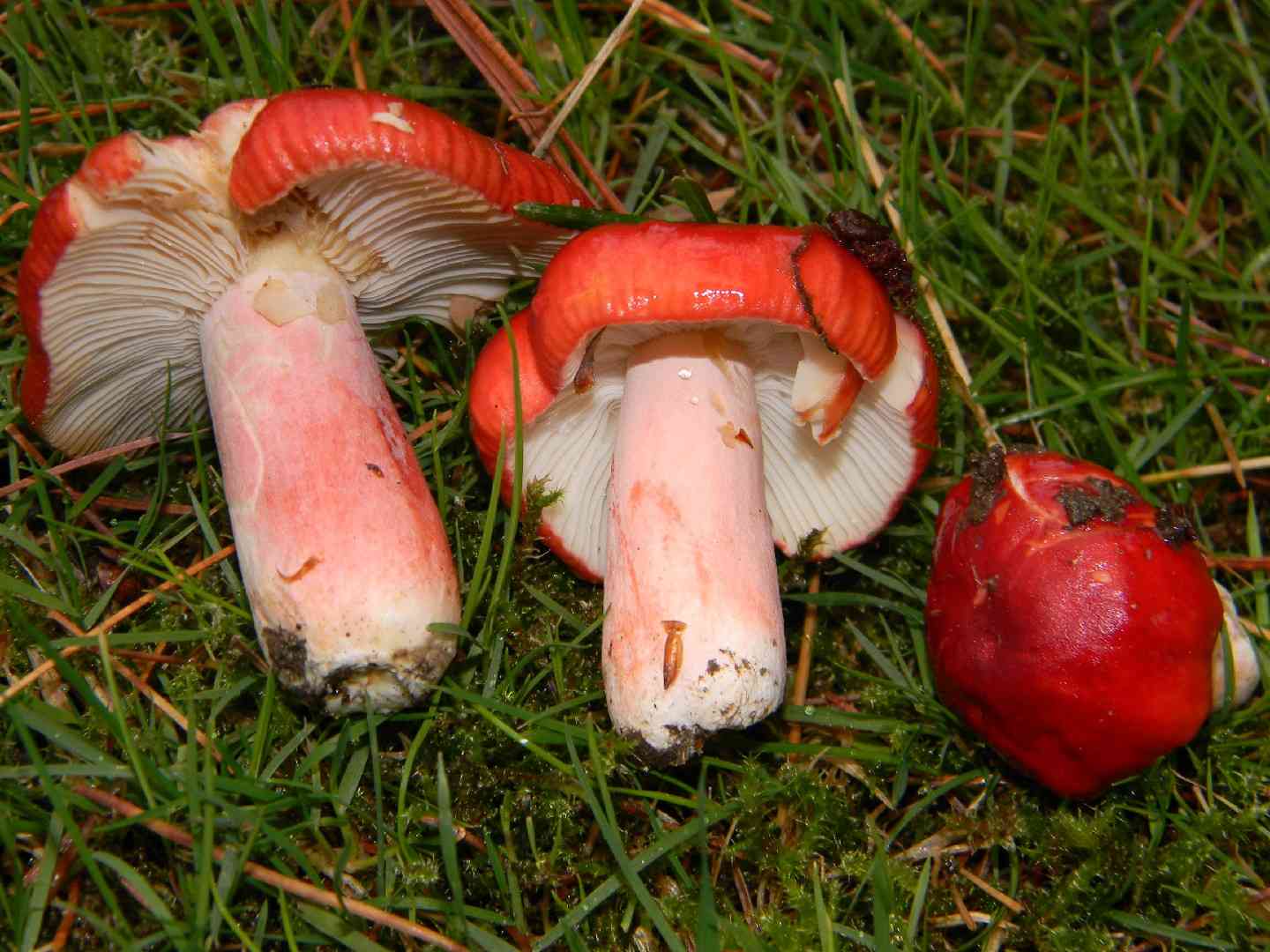
Rosy russula mushrooms, often found beneath pine trees, are an uncommon sight throughout Europe during the summer and autumn months. While primarily known for their reddish hue, they can occasionally appear in different colors. Their unpalatable flavor leads them to be classified as inedible.
In This Article
Attributes of Rosy russula
Cap Diameter
2 - 10 cm
Height
5 - 10 cm
Cap
Cap 2 - 10 cm; convex to flat; dark to bright red; fairly smooth
Cap Shape
Convex, Flat, Depressed
Cap Surfaces
Smooth, Slimy or slightly sticky, Visible lines or stripes
Gills
Adnexed, decurrent; close; white to yellow
Gill Attachment
Attached
Stem
3 - 10 cm long, 1.5 - 2.5 cm thick; colored like the cap or paler; dry, fairly smooth
Stem Shapes
Cylindrical
Stem Surfaces
Smooth
Flesh
White; unchanging colors when sliced
Ring
Ringless
Spore Print Color
Creamy, yellowish, orange-yellow
Odor
Mildly mushroomy but not distinctive.
Body Color
Red
Flesh Bruises
The flesh or milk does not discolor when bruised or cut.
Growth Form
Solitary, Scattered, Gregarious
Nutrient Gathering
Mycorrhizal
Substrate
On soil
You can find Rosy russula by these plants
Bishop pine, Red pine, Pines, Spruces, Scots pine
Occurence Habitats
Coniferous Woodland
Species Status
Widely distributed in North America.
Endangered Species
No
Scientific Classification of Rosy russula
Phylum
Club fungi
Class
Mushroom-forming fungi
Order
Russulales
Family
Russulaceae
Genus
Russulas
Toxicity and Edibility of Rosy russula
Is Rosy russula Toxic?
Toxicity information is not available for this mushroom. Always consult with an expert before consuming any wild mushrooms.