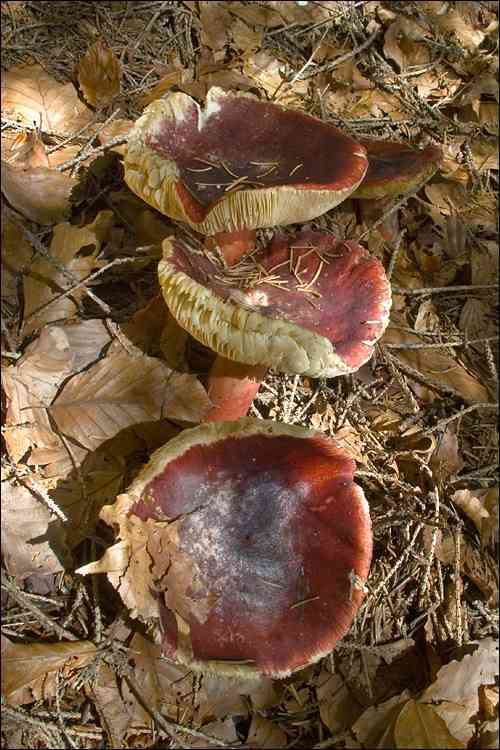
Gooseberry russula
Russula queletii
A species of Russulas.
The gooseberry russula, a poisonous fungus, thrives in conifer woods, especially near spruce trees. Its scientific name, Russula queletii, was officially documented by Swedish mycologist Elias Magnus Fries in 1872. The mushroom's popular name is derived from the distinct gooseberry aroma it emits when bruised.
In This Article
Attributes of Gooseberry russula
Cap Diameter
4 - 10 cm
Height
3 - 10 cm
Cap
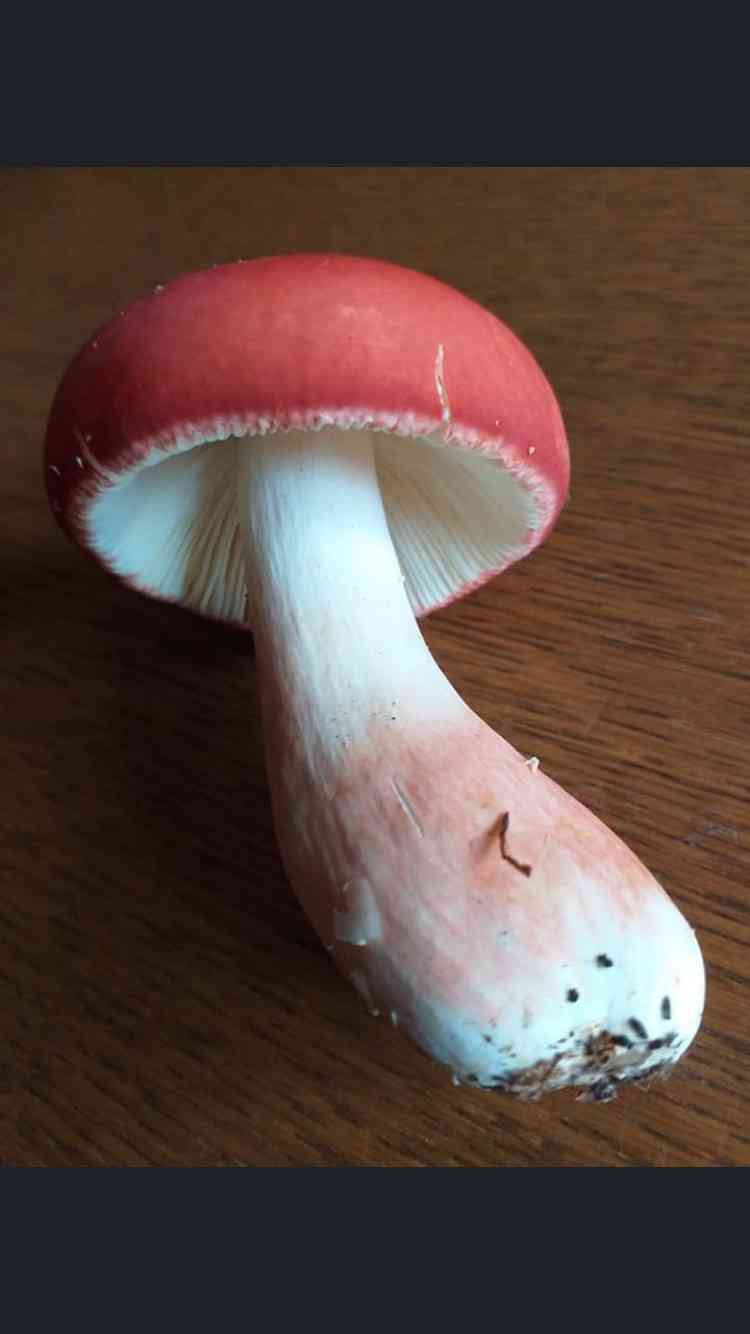
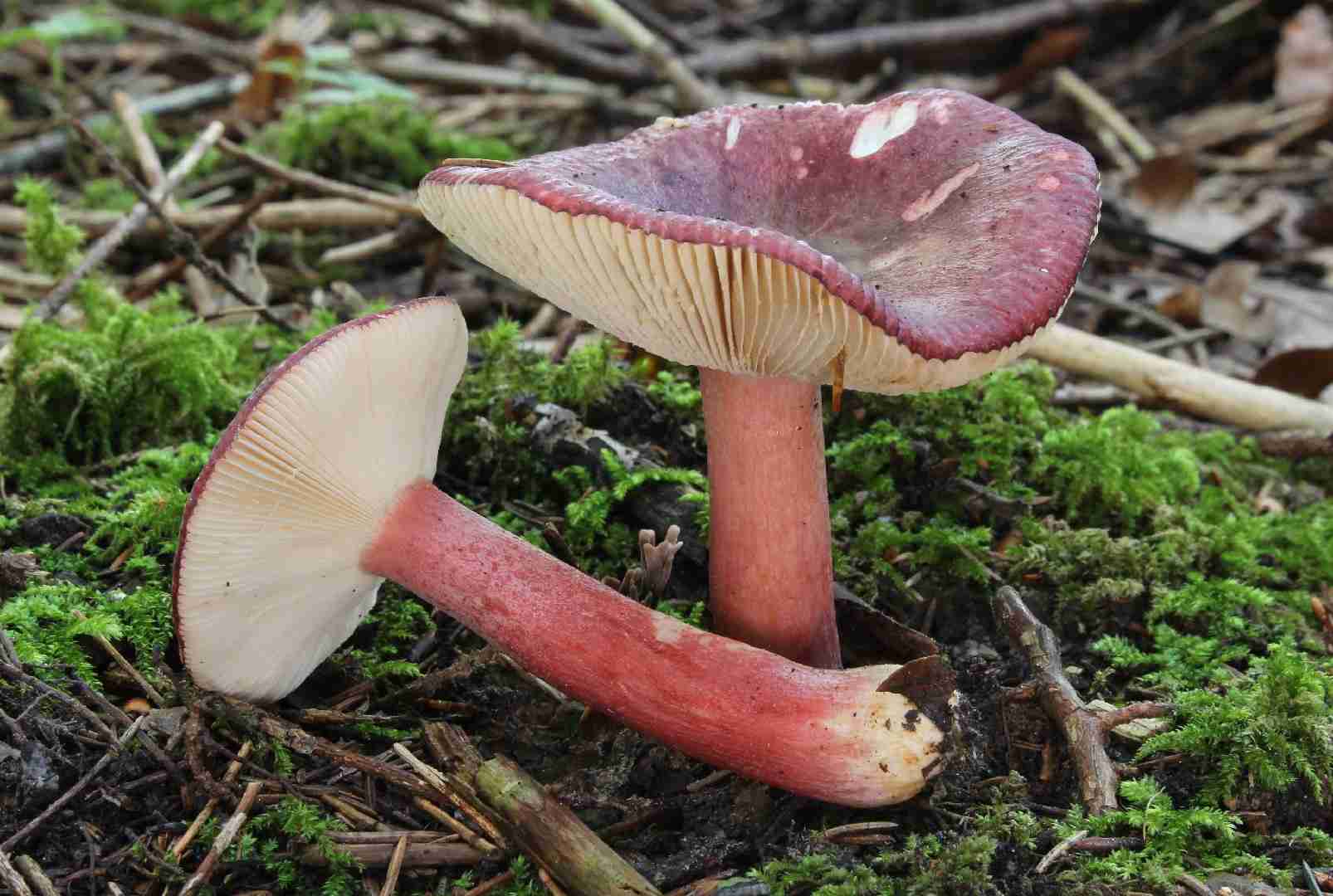
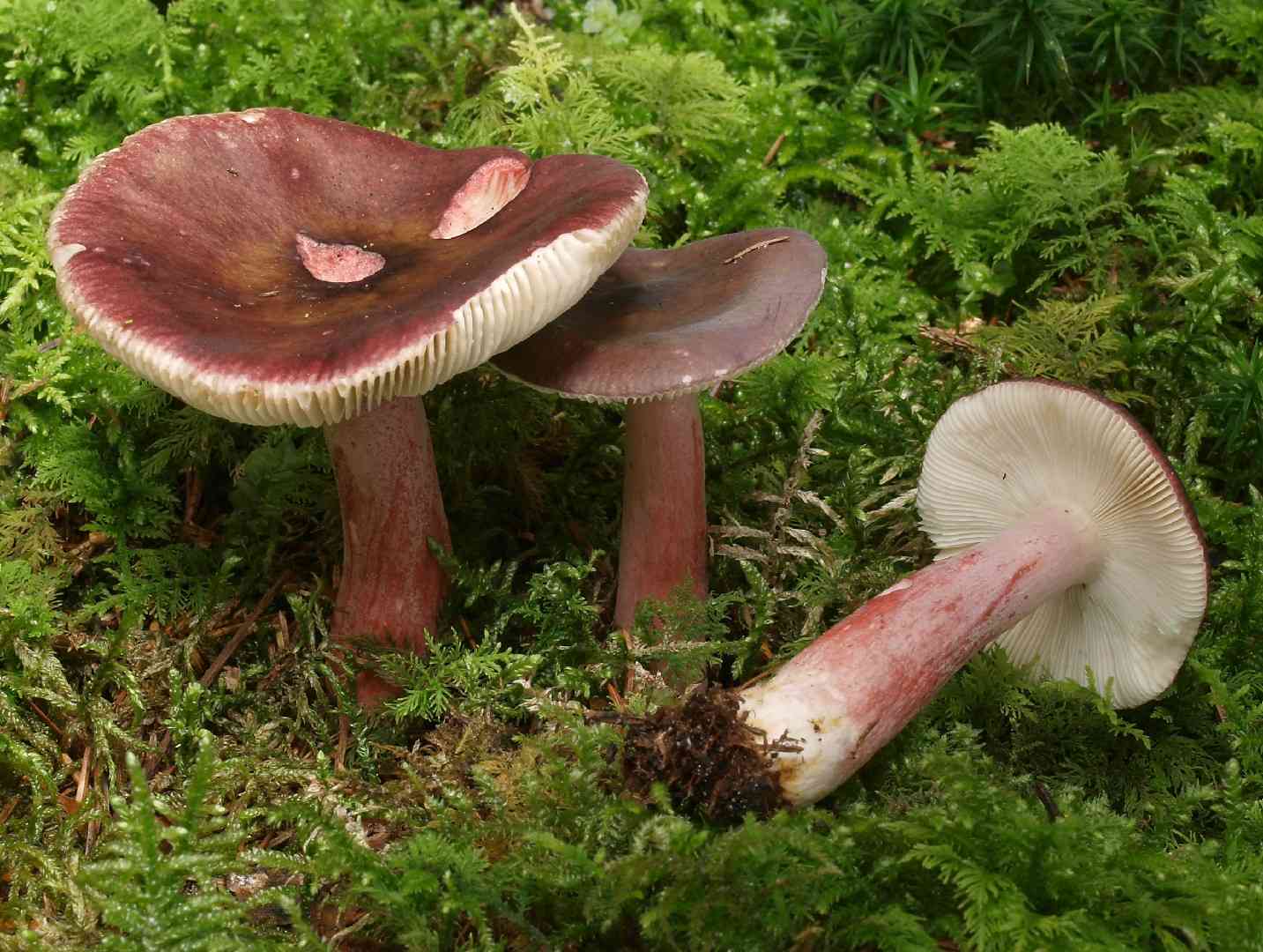
Cap 3 - 8 cm; convex, becoming flat; dark blackish purple to deep purple or brownish purple; sticky or when wet, bald; the margin lined by maturity
Cap Shape
Convex, Bell-shaped, Flat, Depressed, Central Bump
Cap Surfaces
Smooth, Slimy or slightly sticky, Visible lines or stripes
Gills
Broadly attached; close; white to creamy
Gill Attachment
Attached
Stem
Stem 3 - 8 cm long, 1 - 2 cm thick; pale to dark purple or pinkish purple, sometimes staining yellow at the base; bald or slightly hairy
Stem Shapes
Cylindrical
Stem Surfaces
Smooth
Flesh
White; unchanging when sliced
Ring
Ringless
Spore Print Color
White to cream
Odor
Mild, occasionally sweet and subtly fruity.
Body Color
BrownBlackYellowPurplePink
Flesh Bruises
The flesh or milk does not discolor when bruised or cut.
Growth Form
Solitary, Scattered, Gregarious
Nutrient Gathering
Mycorrhizal
Substrate
On soil
You can find Gooseberry russula by these plants
Spruces, Oaks, Norway spruce, Pines
Occurence Habitats
Coniferous Woodland, Mixed Woodland
Species Status
Widely reported in western and northern North America
Endangered Species
No
Scientific Classification of Gooseberry russula
Phylum
Club fungi
Class
Mushroom-forming fungi
Order
Russulales
Family
Russulaceae
Genus
Russulas
Toxicity and Edibility of Gooseberry russula
Is Gooseberry russula Toxic?
The gooseberry russula, a mushroom known for its potential to cause mild digestive issues due to gastrointestinal toxicity, necessitates careful differentiation from edible varieties. For health and safety, precise identification of gooseberry russulas and other fungi is essential.
Type of poisoning
Gastrointestinal
Toxic Severity
Low toxicity
Incubation Period
0.5-4 hours
Poisoning Symptoms
Experience of minor digestive upset in the stomach and intestines.