Honey fungus

Armillaria mellea

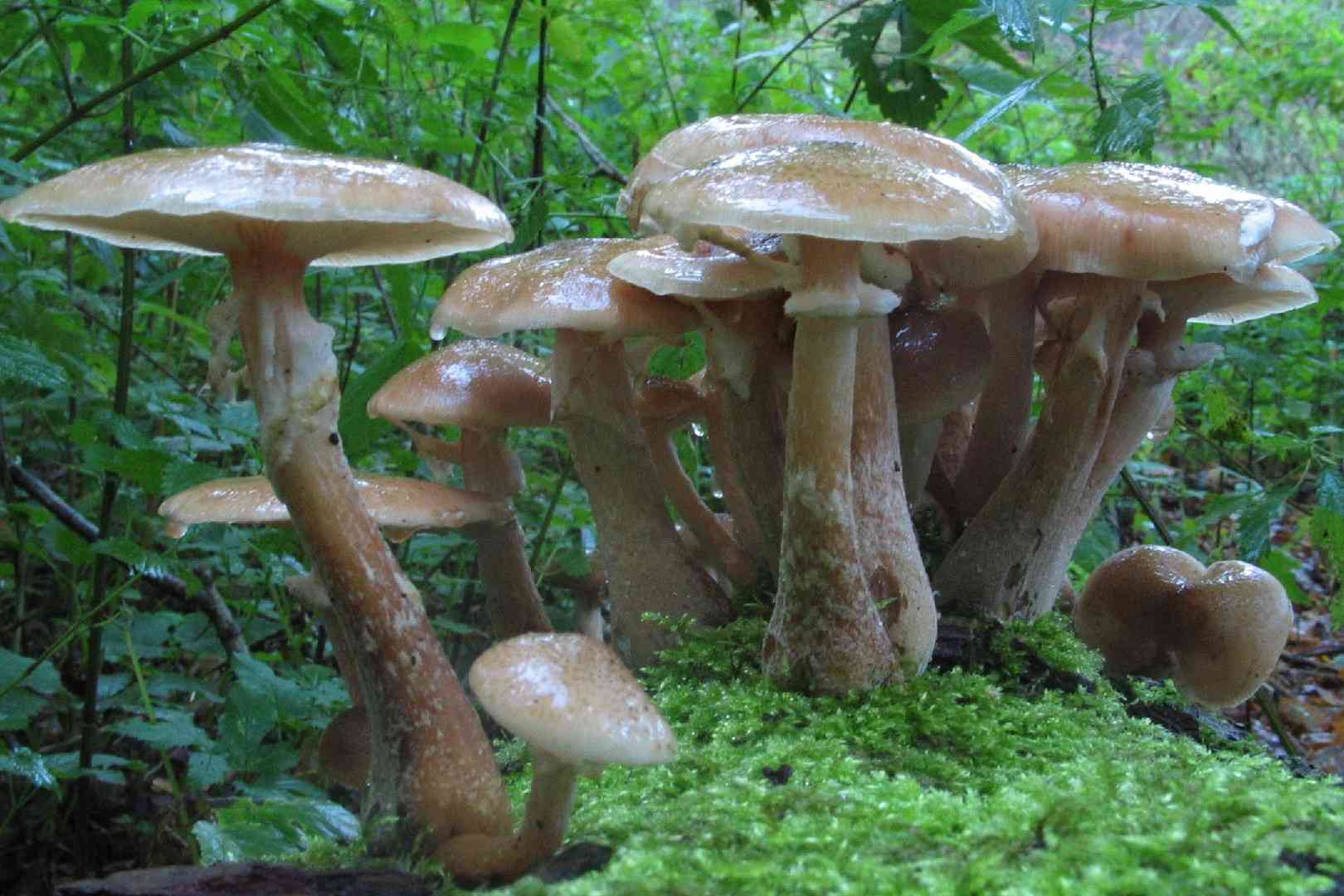
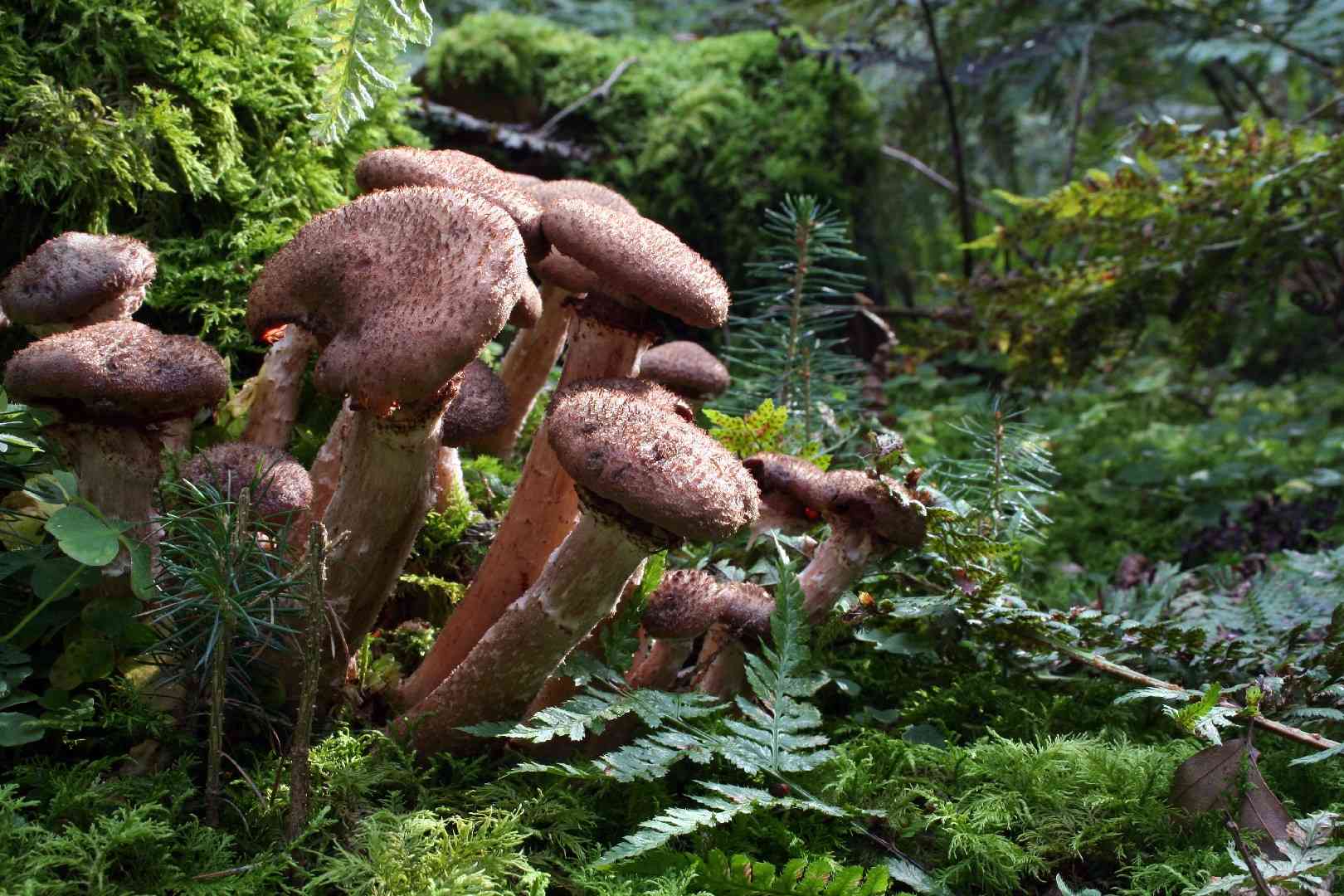
A species of Honey fungi. Also known as Bootlace fungus.

Armillaria, a parasitic fungus, thrives on the root systems of various woody and perennial plants, causing damage and potential mortality to its hosts. It propagates beneath the soil and is recognized as the most destructive fungal ailment in UK gardens. The visible emergence of its mushrooms above ground signifies a far more widespread subterranean infestation.

In This Article
Attributes Classification Toxicity Similar Mushrooms

Attributes of Honey fungus

ForwardPlant - ID plants and mushrooms, and learn more about them🌿

Identify and diagnose plants, get toxicity alerts, and explore safety guides for all types of fungi.

Try for Free
Cap Diameter
3 - 15 cm
Height
6 - 20 cm
Cap
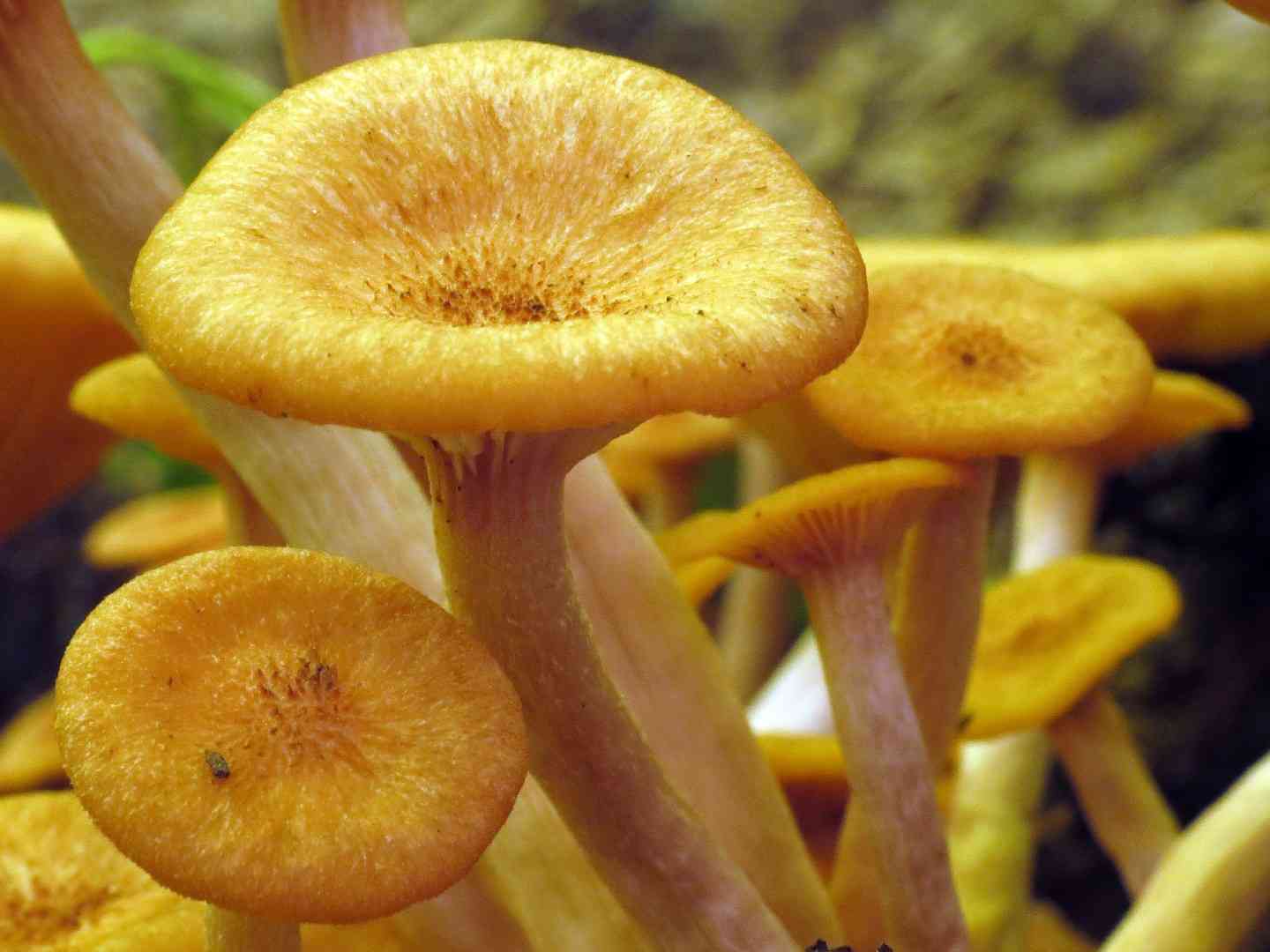
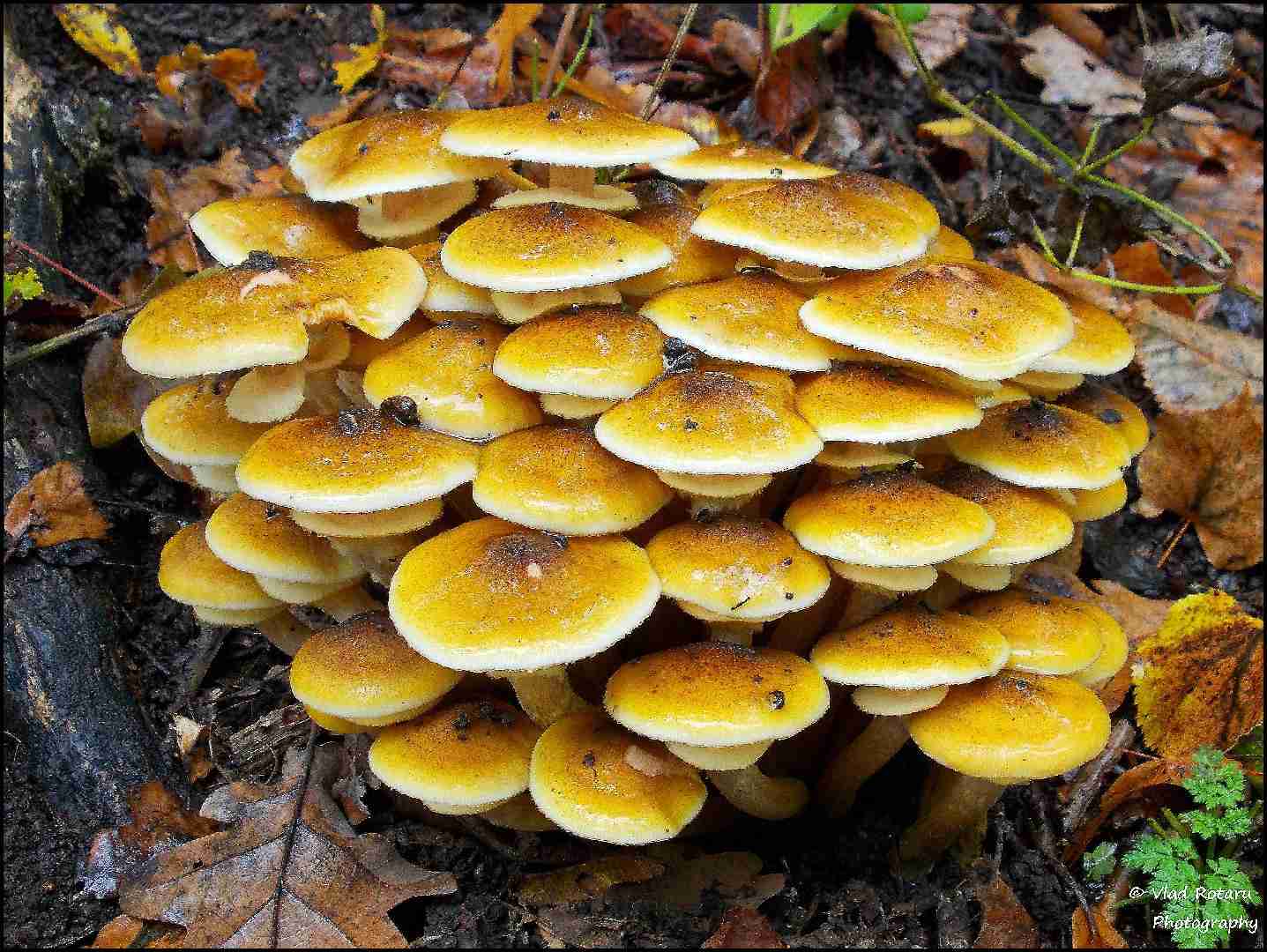
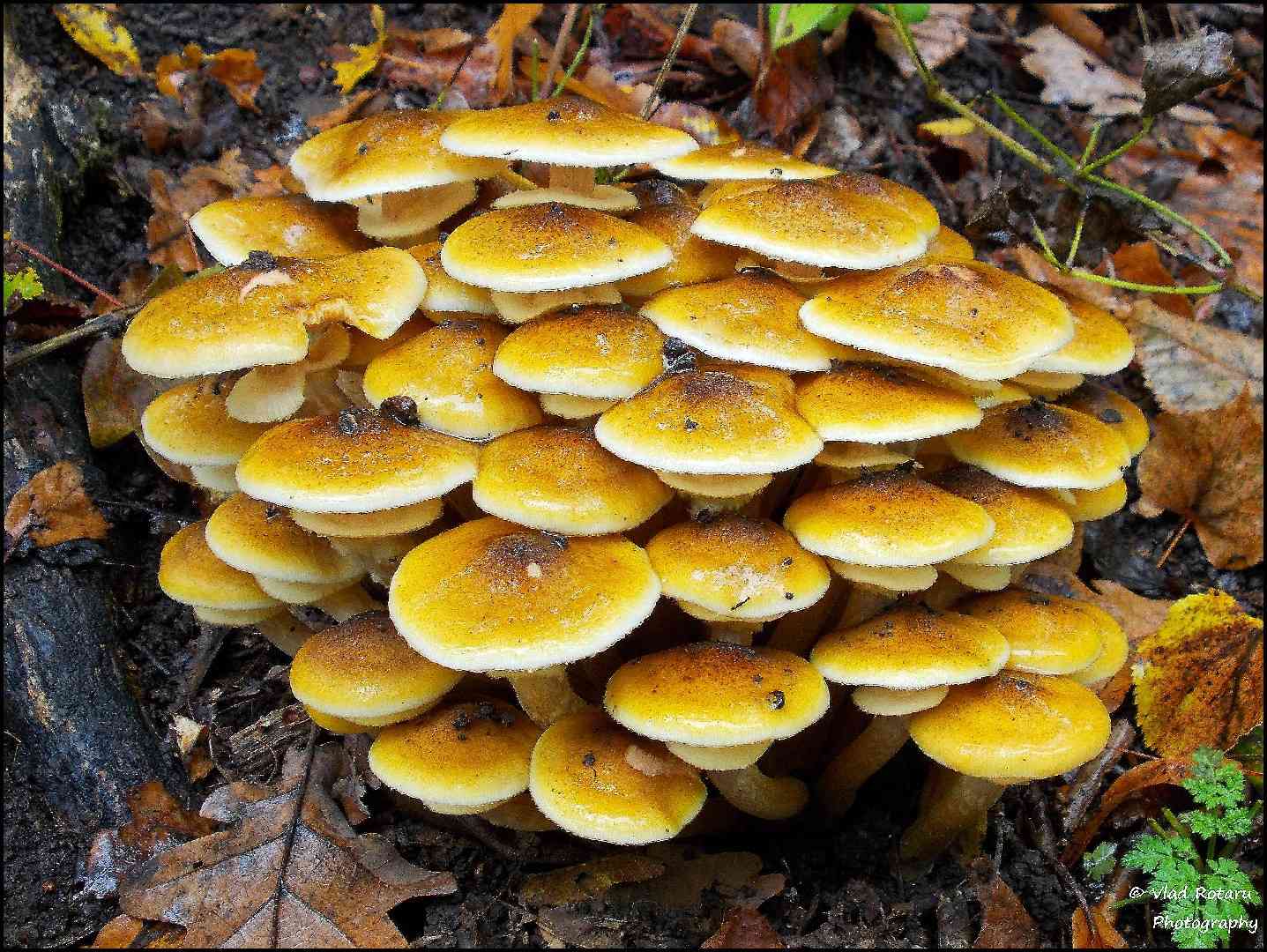
Cap 3.5 - 12 cm across; convex, umbonate; pale yellow-olive to orange-brown; with scales
Cap Shape
Convex, Flat, Central Bump
Cap Surfaces
Fibrillose-scaly, Slimy or slightly sticky, Visible lines or stripes
Gills
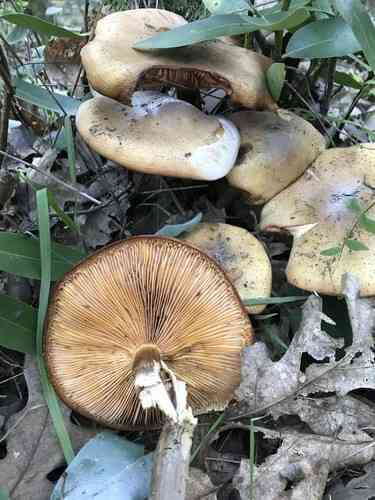
Decurrent; close; cream
Gill Attachment
Attached
Stem
Stem 7 - 20 cm long, 5 - 20 mm thick; cream, dark brown
Stem Shapes
Tapering
Stem Surfaces
Smooth to slightly fibrous
Flesh
Whitish to very slightly pinkish; unchanging when sliced
Ring
With Ring
Spore Print Color
White
Odor
Mildly mushroomy but not distinctive.
Body Color
BrownYellowGoldGrayWhite
Flesh Bruises
The flesh or milk does not discolor when bruised or cut.
Growth Form
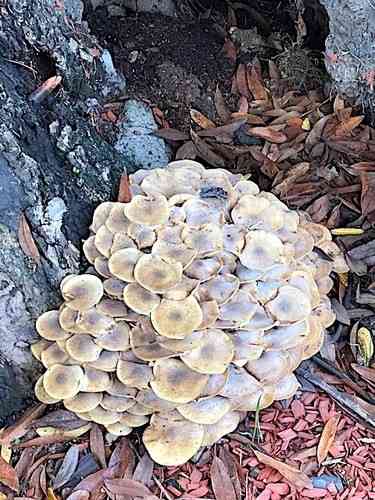
Gregarious, Clustered
Nutrient Gathering
Saprophytic, Parasitic
Substrate
Wood of Living Trees, Dead Woods
You can find Honey fungus by these plants
Black cherry, Oaks, European beech
Occurence Habitats
Deciduous Woodland, Mixed Woodland
Species Status
Widespread
Endangered Species
No

Scientific Classification of Honey fungus

ForwardPlant APP

AI mushroom expert in your pocket

Try for Free
Phylum
Club fungi
Class
Mushroom-forming fungi
Order
Gilled fungi
Family
Physalacriaceae
Genus
Honey fungi
⚠️

Toxicity and Edibility of Honey fungus

ForwardPlant: Identify & Forage

Your Essential Guide to Edible vs. Toxic Mushrooms. Forage with Confidence!

Try for Free

Is Honey fungus Toxic?

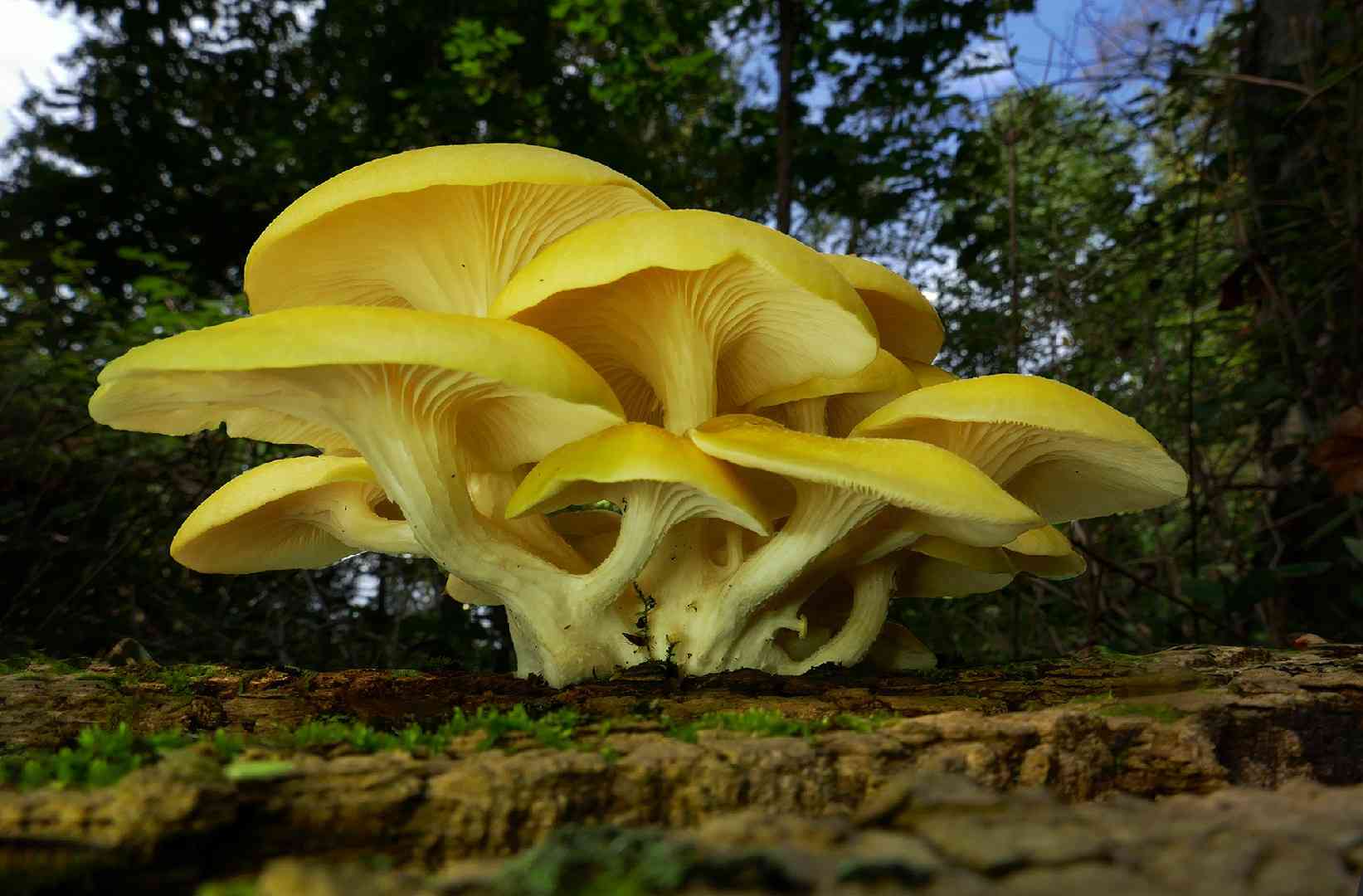
The honey fungus, a lethal tree parasite, was once thought to be safe for consumption. However, due to a rising number of reports of mild to moderate digestive issues following its ingestion, it is now recommended to exercise caution. This fungus is toxic when uncooked and can induce stomach upset in some individuals even after being prepared. Given the variability in shape, color, and growth patterns of Armillaria mellea, extreme care is necessary when attempting to identify this particular species.