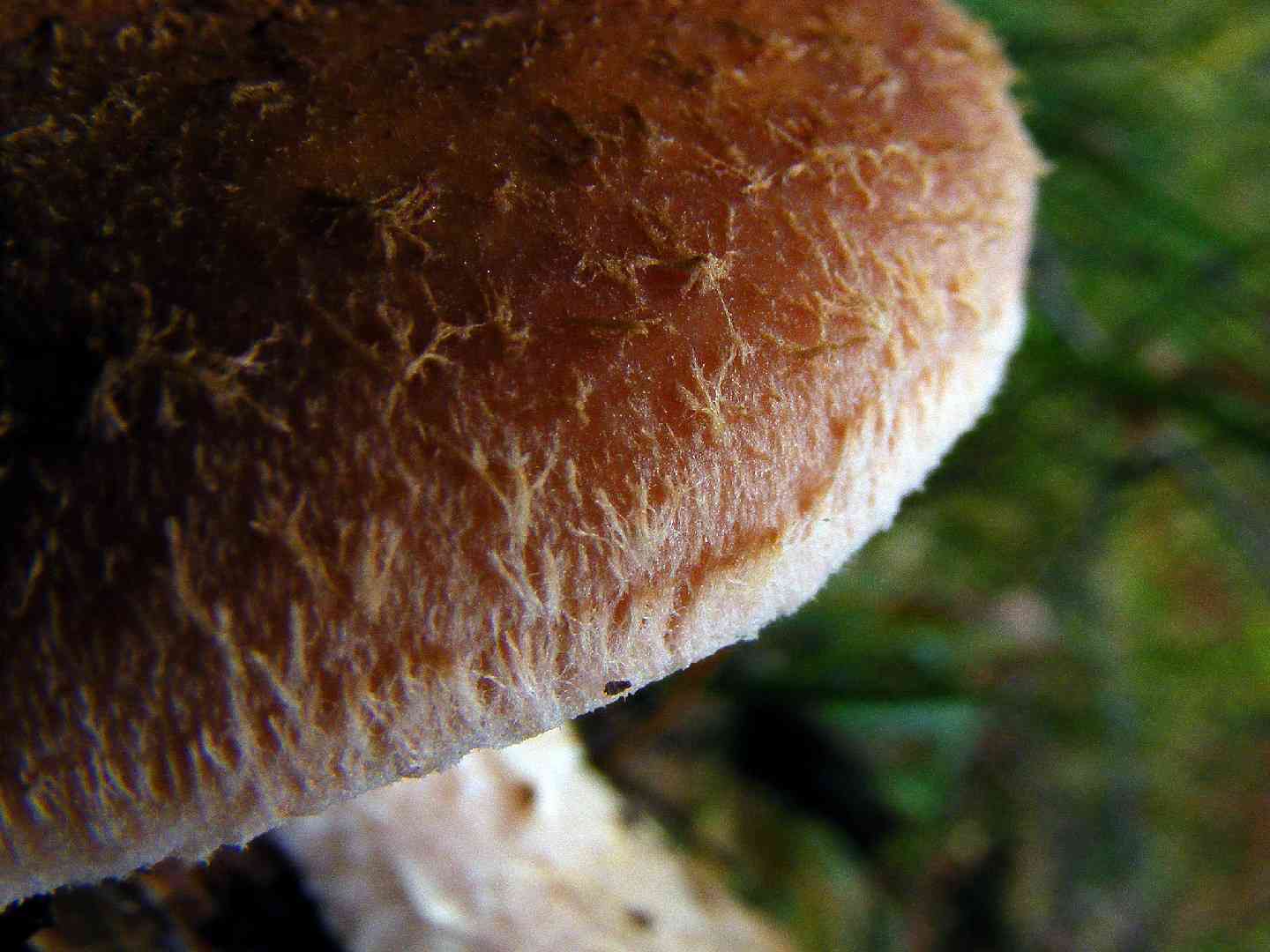
Dark honey mushroom
Armillaria ostoyae
A species of Honey fungi.
This detrimental fungal species, which lives as a network of subterranean threads that periodically produce surface mushrooms, possesses the capacity to devastate vast forest areas. An individual dark honey mushroom can endure for millennia; a specimen discovered in the United States spans 2200 acres, thereby holding the distinction of being the planet's largest living entity.
In This Article
Attributes of Dark honey mushroom
Cap Diameter
4 - 16 cm
Height
6 - 15 cm
Cap
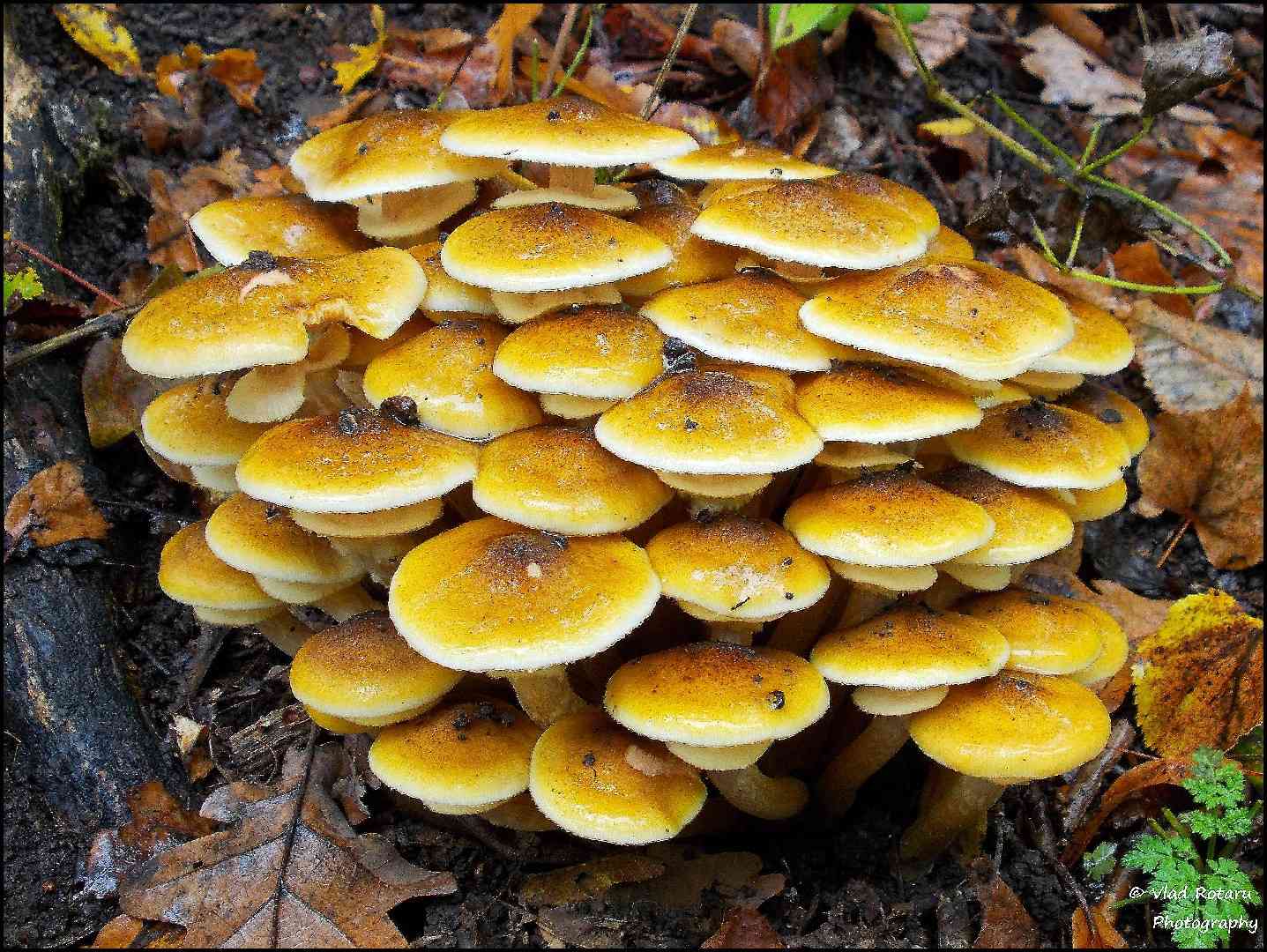
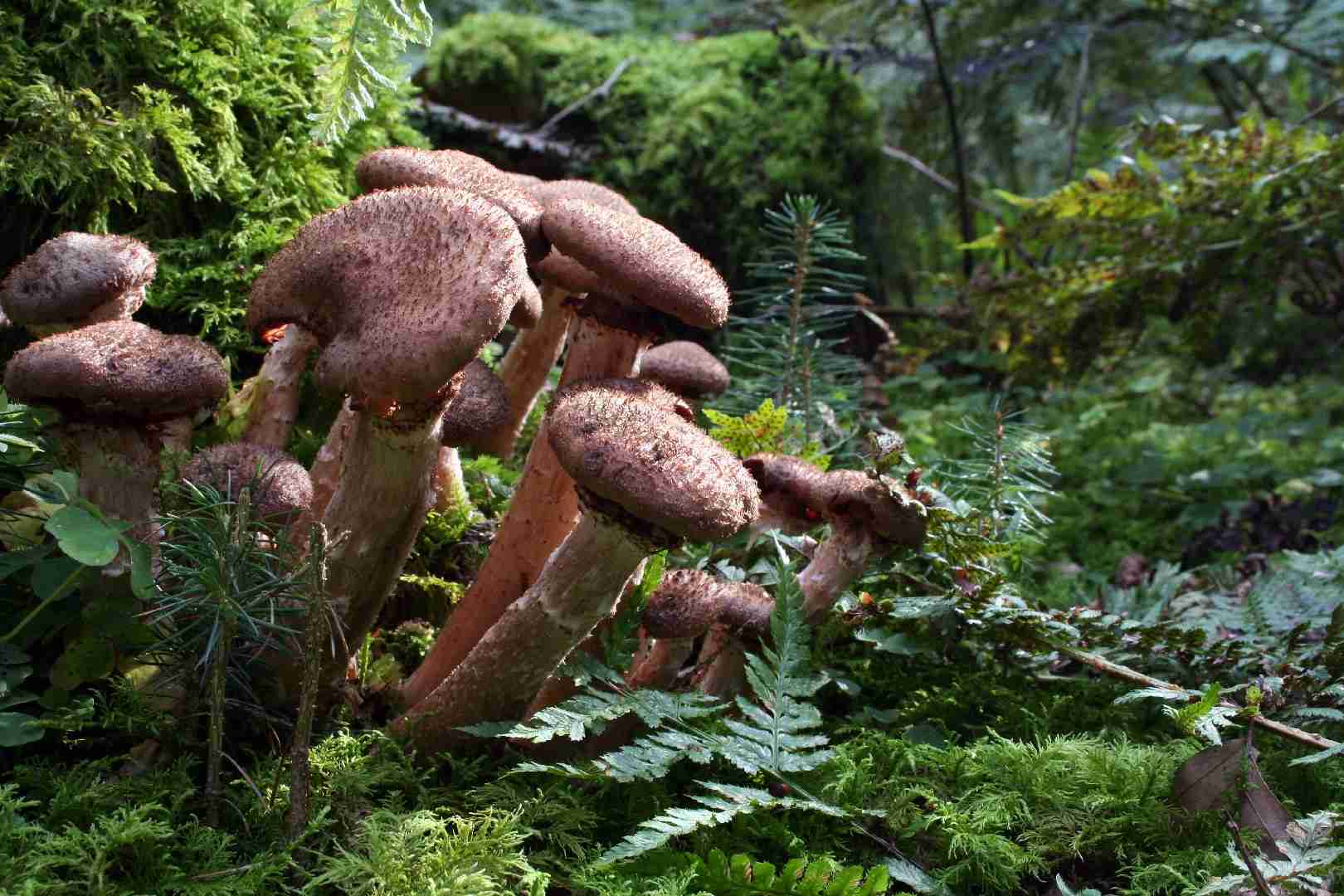
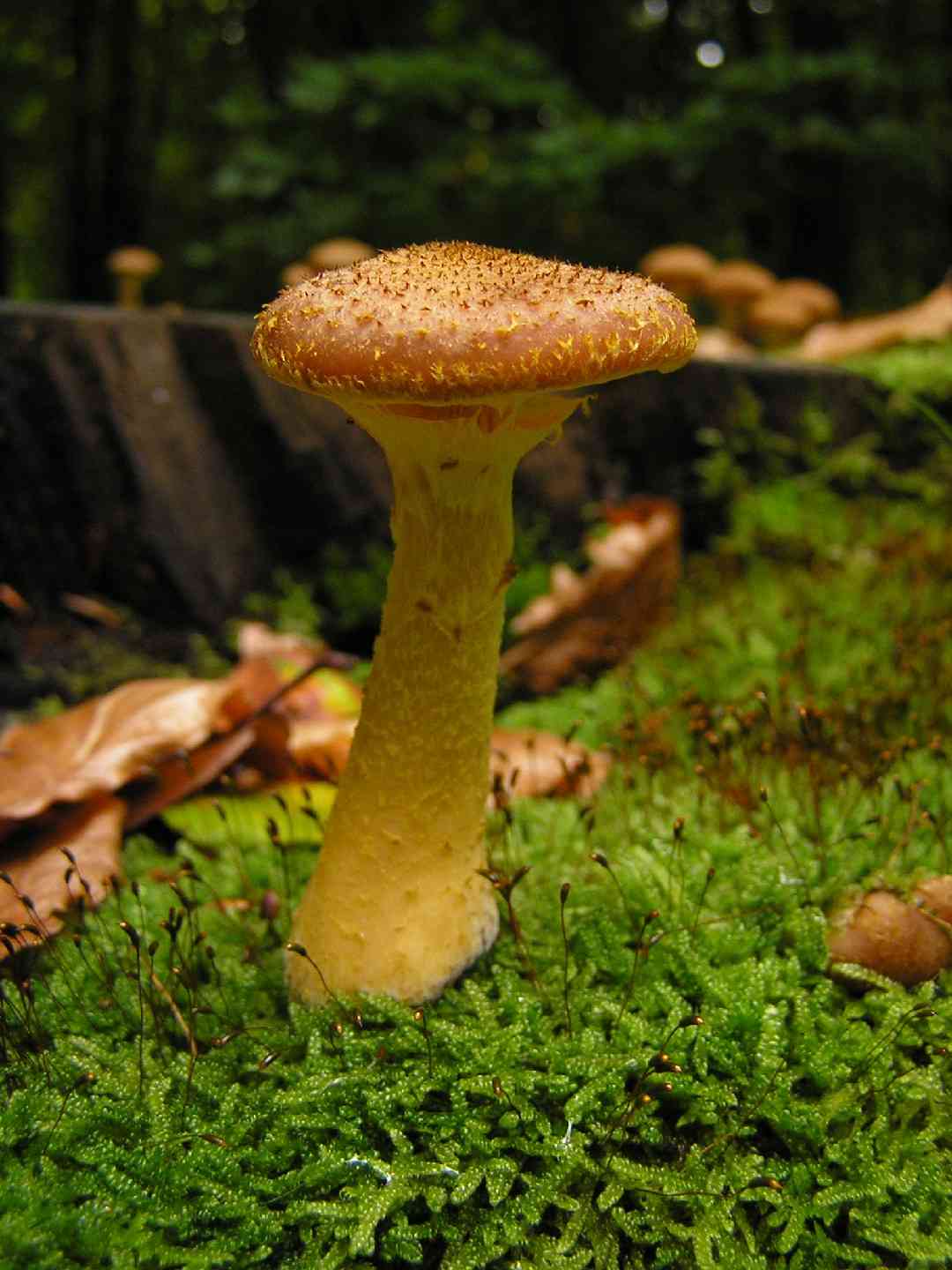
Cap 5 - 15 cm across; convex; red-brown; surface covered in scales
Cap Shape
Convex, Flat, Depressed
Cap Surfaces
Fibrillose-scaly, Visible lines or stripes
Gills
Weakly decurrent; crowded; white, cream, pinkish buff
Gill Attachment
Decurrent
Stem
Stem 6 - 15 cm long, 5 - 15 mm thick; cylindrical; white, dark brown or black; with a finely woolly surface
Stem Shapes
Cylindrical
Stem Surfaces
Fibrillose
Flesh
Firm; white
Ring
With Ring
Spore Print Color
White
Odor
Faintly acidic, not particularly distinctive.
Body Color
BrownBlackRedWhite
Flesh Bruises
The flesh or milk does not discolor when bruised or cut.
Growth Form
Clustered
Nutrient Gathering
Saprophytic, Parasitic
Substrate
Wood of Living Trees, Dead Woods
You can find Dark honey mushroom by these plants
Spruces, Pines
Occurence Habitats
Coniferous Woodland, Deciduous Woodland
Species Status
Very common
Endangered Species
No
Scientific Classification of Dark honey mushroom
Phylum
Club fungi
Class
Mushroom-forming fungi
Order
Gilled fungi
Family
Physalacriaceae
Genus
Honey fungi
Toxicity and Edibility of Dark honey mushroom
Is Dark honey mushroom Toxic?
Toxicity information is not available for this mushroom. Always consult with an expert before consuming any wild mushrooms.