How to Transplant Spanish bayonet?
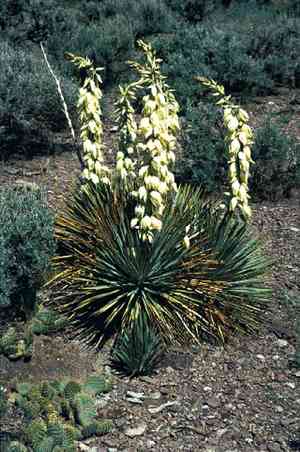
It is most favorable to move spanish bayonet during the mild temperatures of late winter through mid-spring. Select a bright, well-draining location to foster vigorous development. Ensure the root mass remains undisturbed for a smooth adjustment.
What Preparations are Needed Before Transplanting Spanish Bayonet?
What is the Ideal Time for Transplanting Spanish Bayonet?
The optimal period for relocating spanish bayonet spans from early spring's onset through late spring's peak. This window is perfect because the warmth after winter promotes strong root development, ensuring spanish bayonet adapts well to its new spot. Moving it during this season leverages rising temperatures and consistent daylight, which are prime conditions for spanish bayonet to establish and flourish. This strategic timing also precedes intense summer heat, lessening transplant shock and giving spanish bayonet ample time to adjust before summer's demands. A helpful tip: follow this seasonal rhythm to see spanish bayonet thrive in its new home!
How Much Space Should You Leave Between Spanish Bayonet Plants?
When moving your spanish bayonet, aim for a spacing of 12 inches to 3 feet (30 cm to 91 cm). This provides ample room for growth and prevents overcrowding.
What is the Best Soil Mix for Spanish Bayonet Transplanting?
For spanish bayonet, utilize well-draining soil and enrich it with a foundational fertilizer, such as a balanced 10-10-10 blend, prior to transplanting. This establishes a robust base for the plant's development.
Where Should You Relocate Your Spanish Bayonet?
Select a sunny location for your spanish bayonet, as it requires full sunlight to thrive. An area receiving direct sun for most of the day will be perfect for its growth.
What Equipments Should You Prepare Before Transplantation Spanish Bayonet?
Gardening Gloves
To safeguard your hands while handling soil and plants.
Shovel or Spade
For excavating around and beneath the plant's root ball during removal.
Garden Fork
To loosen the soil surrounding the plant and aid in its extraction.
Wheelbarrow
To move the spanish bayonet between its original and new positions.
Watering Can or Hose
To hydrate the spanish bayonet before removal and after replanting.
Pruning Shears
To trim any damaged roots or foliage, if necessary.
Measuring Tape
To assist in accurately spacing the planting area.
How Do You Remove Spanish Bayonet from the Soil?
How Do You Remove Spanish Bayonet from the Soil?
From Ground: First, moisten the spanish bayonet's soil. Then, dig a wide circle around the plant with a shovel or spade, keeping a substantial amount of soil around the root ball. Slide the spade under the root ball to lift the spanish bayonet with minimal root disturbance.From Pot: Begin by watering the pot's soil. Tilt the pot sideways and gently tap its sides to loosen the root ball. Support the spanish bayonet's base while detaching the pot from the roots.From Seedling Tray: Dampen the tray's soil to facilitate easier removal of the young spanish bayonet. Use a gardening tool like a dibber or small spade to carefully lift the plant, ensuring a soil clump remains around the root system to protect the roots.
Step-by-Step Guide for Transplanting Spanish Bayonet
Preparation
Gather all necessary tools and water the spanish bayonet in its current spot to lessen transplant shock.
Removal
Depending on its origin, use the appropriate method to remove the spanish bayonet, taking care to preserve a healthy root ball.
Transportation
Once the spanish bayonet is successfully extracted from its original location, promptly move it to its new site, ideally in a wheelbarrow to prevent unnecessary root jostling.
Planting Hole
Prepare a planting hole in the ground that is twice as wide and the same depth as the root ball to encourage root growth.
Placement
Gently place the spanish bayonet into the hole, ensuring it stands upright and at the same depth it was previously growing.
Filling In
Carefully backfill around the root ball with soil, gently compacting it to eliminate air pockets and provide support for the spanish bayonet.
Watering
Water thoroughly after planting to help settle the soil around the roots and hydrate the spanish bayonet.
Support
If needed, stake the spanish bayonet to provide stability while new roots establish, but be careful not to harm the root ball.
How Do You Care For Spanish Bayonet After Transplanting?
Initial Watering
Immediately after transplanting, thoroughly water the spanish bayonet to help reduce transplant shock and settle the surrounding soil.
Regular Water Checks
Monitor soil moisture levels frequently, especially during the initial weeks, to ensure the spanish bayonet is hydrated but not waterlogged.
Light Mulching
Apply a thin layer of organic mulch around the spanish bayonet's base to help retain soil moisture and regulate temperature without covering the plant's crown.
Observation
Watch for signs of stress like wilting or discoloration and address any issues promptly to support healthy growth.
Restrained Fertilization
Refrain from fertilizing the spanish bayonet for the first few months to avoid burning tender new roots. Allow the plant to establish itself using existing soil nutrients.
Troubleshooting Common Issues with Spanish Bayonet Transplantation.
When's the best time to transplant spanish bayonet?
The optimal period for transplanting spanish bayonet is from early spring to mid-spring for ideal root establishment.
How far apart should spanish bayonet be spaced when transplanting?
Space spanish bayonet 12 inches to 3 feet (30 cm to 91 cm) apart to allow ample room for growth.
Why is my spanish bayonet wilting after transplanting?
Wilting may indicate water stress. Ensure consistent moisture and avoid overly wet roots for a healthy post-transplant recovery.
What kind of sunlight does spanish bayonet need after transplanting?
Position spanish bayonet in an area receiving full sunlight to partial shade after transplant for vigorous growth.
How do I know if my spanish bayonet is planted too deep?
If spanish bayonet's base is below the soil surface, it's too deep. Replant it at the same depth it was growing previously.
Can I transplant spanish bayonet during the summer or winter?
It's best to avoid summer or winter; early to mid-spring is ideal for transplanting to ensure root health.
What should I do if the leaves of spanish bayonet start to brown after transplanting?
Browning leaves may signal stress. Check for appropriate soil moisture and sun exposure, then adjust care as needed.
How often should I water spanish bayonet after transplanting?
Water spanish bayonet thoroughly upon transplanting, then regularly, allowing the soil to dry slightly between waterings.
Is there a specific soil type preferred for transplanting spanish bayonet?
Yes, spanish bayonet thrives in well-draining soil. Avoid dense, clay-heavy soils that retain excessive water.
How do I protect spanish bayonet from transplant shock?
Minimize root disturbance during transplanting, water thoroughly, and provide shade if intense sunlight is expected immediately after.



