How to Prune Spanish bayonet?
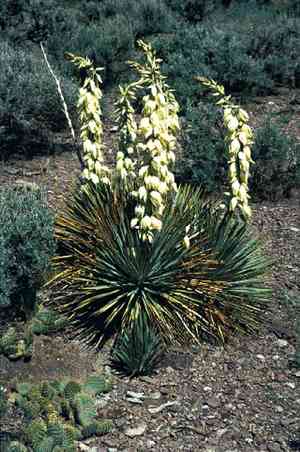
A member of the Agavaceae family, spanish bayonet is an enduring evergreen recognized for its clusters of blade-like foliage and elevated floral stalks. Remove withered or compromised leaves at their origin, employing sanitized, keen implements to avert disease. The most suitable period for trimming is from late spring to early summer, steering clear of autumn to prevent fresh shoots susceptible to frost damage. Trimming improves the plant's aesthetic and fosters robust development by boosting air circulation and diminishing environments for pests.
Advantages of Trimming Spanish Bayonet
Advantages of Trimming Spanish Bayonet
Trimming spanish bayonet is crucial for robust development, eliminating dead or damaged foliage that could impede its well-being. It also aids in preserving its desired shape, preventing excessive growth that might result in a less appealing look.
Optimal Period for Trimming Spanish Bayonet
Optimal Period for Trimming Spanish Bayonet
The ideal time to trim spanish bayonet is from late spring to early summer. This timeframe coincides with the onset of spanish bayonet's active growth phase, allowing the plant to quickly recover from pruning stress. Trimming during this period encourages new growth, maintains its desired form, and removes any winter damage before the plant expends energy on development. It also avoids the blooming cycle, ensuring flowers are not accidentally removed, which is important for the plant's appearance and reproduction. Furthermore, autumn pruning can lead to new growth that may not harden sufficiently for winter conditions, so this season is best avoided.
Tools Required for Trimming Spanish Bayonet
Heavy-Duty Pruning Shears
For shaping and trimming spanish bayonet, robust pruning shears are indispensable. They offer ample force and sharpness to cut through the plant's tough, fibrous leaves without causing undue harm.
Long-Handled Loppers
To access the dense foliage of spanish bayonet without getting too close to its sharp leaves, long-handled loppers provide extended reach. They also supply the necessary leverage for thicker, woodier stems.
Protective Gloves
Thick, protective gloves are vital when trimming spanish bayonet to shield hands and arms from its sharp edges. Leather or similarly durable materials are recommended.
Garden Knife or Saw
For older, thicker stalks or to divide the plant, a garden knife or saw is appropriate. Their sharp blades can cut through woodier plant material that shears or loppers cannot manage.
Safety Goggles
To safeguard eyes from the sharp, pointed leaves of spanish bayonet, safety goggles are advised. This is a precautionary measure during the trimming process.
How to Trim Spanish Bayonet
Preparation
Gather sharp and clean pruning tools such as clippers, loppers, or a saw for thicker branches to prevent spreading diseases to spanish bayonet.
Inspection
Thoroughly examine spanish bayonet for diseased leaves, withered leaves, dead branches, and diseased branches that indicate the need for removal.
Diseased And Withered Leaves
Carefully snip off diseased and withered leaves from spanish bayonet at their base using clippers, ensuring not to tear the healthy tissue.
Dead Branches
Use loppers or a saw to cut dead branches from spanish bayonet at their point of origin or back to the main trunk, ensuring cuts are clean and avoid stripping bark.
Diseased Branches
Remove diseased branches from spanish bayonet by cutting well into the healthy wood to prevent further spread of the disease; sterilize tools between cuts.
Common Trimming Errors with Spanish Bayonet
Excessive Trimming
Removing too much foliage at once can stress spanish bayonet, leading to stunted growth or even plant demise.
Incorrect Cutting
Cutting into the trunk or healthy tissue can injure spanish bayonet and introduce disease.
Removing New Growth
Cutting off the new, blue-tinged growth at the tips of branches hinders spanish bayonet's natural development and flowering.
Not Using Clean Tools
Trimming with dirty tools can spread diseases between plants, which is particularly detrimental to spanish bayonet's health.
Trimming During Active Growth
Pruning spanish bayonet when the plant is actively growing can impede the development of flowers and stress the plant.
Neglecting Dead Leaves
Failing to remove dead or brown leaves and spent flower stalks can cause spanish bayonet to appear unkempt and may attract pests.
General Trimming Advice for Spanish Bayonet
Sharp Tools
Utilize clean, sharp pruning shears or a saw to ensure clean cuts that heal quickly, preventing damage to spanish bayonet.
Protective Gear
Wear thick gloves and eye protection to avoid injury from spanish bayonet's sharp, pointed leaves.
Directional Trimming
Trim towards the base of the leaf or flower stalk, being careful not to cut into the main trunk, which can harm spanish bayonet.
Judicious Trimming
Remove only dead or damaged leaves and stalks, leaving healthy growth untouched to maintain spanish bayonet's structure and vitality.
Disinfect Tools
Disinfect pruning tools before and after use to keep spanish bayonet free from pathogens.
Rejuvenation
For an overgrown spanish bayonet, perform rejuvenation pruning by removing select leaves at the base over a period of time rather than all at once.



