How to Propagate Spanish bayonet?
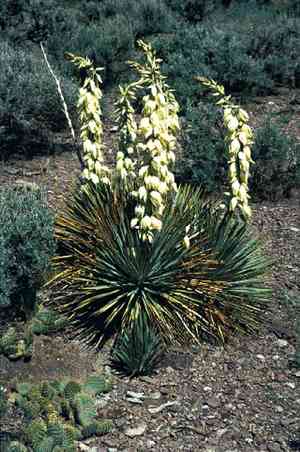
The cutting technique is an efficient way to propagate Yucca aloifolia. To achieve the best outcome, choose robust, unblemished shoots. Each cutting ought to comprise multiple stem segments to guarantee the presence of nodes, which are vital for root formation. After severing, permit the cut end to harden for several days prior to embedding it in a porous soil mixture, designed to replicate the arid conditions where Yucca aloifolia naturally thrives. Offer diffused illumination and restrict irrigation to foster root growth while preventing decay.
Optimal Time for Spanish Bayonet Propagation
Propagation Method
Cutting
Propagation Period
Spring,Summer
Tools for Spanish Bayonet Propagation
Sharp Pruning Shears
These are vital for making clean cuts when taking spanish bayonet segments for propagation. A precise, clean cut helps prevent damage and disease, boosting the chances of successful rooting. Shears designed for durability are useful given the fibrous and tough nature of spanish bayonet.
Rooting Hormone Powder
This item is essential for ensuring spanish bayonet cuttings develop roots effectively. The hormone stimulates root growth at the cut site, which is crucial for the survival and establishment of new spanish bayonet plants. It's especially helpful due to spanish bayonet's naturally slow rooting process.
Well-Draining Potting Mix
A potting mix that offers excellent drainage is crucial for propagating spanish bayonet from cuttings. Too much moisture can cause root rot, which is harmful to spanish bayonet. A mix formulated for succulents or cacti is ideal, providing the necessary drainage and aeration.
Sterilization Solution (e.g., Alcohol or Bleach Solution)
Sterilizing pruning shears and pots before use prevents the introduction of pathogens to new spanish bayonet cuttings. This practice is vital for maintaining the health of the propagation material, thereby increasing the likelihood of success.
Propagation Trays or Pots
These offer a controlled environment for spanish bayonet cuttings to root. Using trays or small pots helps manage watering needs and supports multiple cuttings in a compact space. Ensuring trays or pots have adequate drainage holes aligns with the need for well-draining conditions.
How to Propagate Spanish Bayonet?
Propagation Type
Easy
Caring for Your Newly Propagated Spanish Bayonet
Caring for Your Newly Propagated Spanish Bayonet
After propagation, gradually introduce the newly rooted spanish bayonet to more direct sunlight to mimic its natural habitat. Slowly increase watering frequency as the plant establishes, but allow the soil to dry between waterings to replicate its drought-tolerant characteristics. Monitor for pests and diseases, especially during the vulnerable initial growth phases.
Common Mistakes to Avoid When Propagating Spanish Bayonet
Overwatering
Excessive watering can lead to rot in the roots and base of spanish bayonet, which is particularly sensitive to too much moisture, especially during the initial propagation stages.
Deep Planting
When spanish bayonet root cuttings are planted too deeply, it can impede the sprouting process, as spanish bayonet requires exposure to light and air for optimal growth initiation.
Neglecting Hygiene
Using unsterilized tools or contaminated soil can introduce pathogens, affecting the vulnerable cuttings or offsets of spanish bayonet, potentially leading to diseases that hinder successful propagation.
Tips For Propagating Spanish Bayonet
Proper Cutting Technique
Use a sharp, clean knife or pruning shears to take spanish bayonet cuttings, ensuring each piece has at least one healthy node or segment for improved root development.
Adequate Light and Air Circulation
Place the cuttings or offsets in a well-lit area with good air circulation to prevent moisture buildup and promote faster healing and growth.
Moderate Watering
Water the soil moderately to keep it slightly moist, ensuring it never becomes soggy or waterlogged, which is particularly important for the sensitive root system of young spanish bayonet propagates.



