Enhancing Your Garden Design with the Spanish bayonet Plant: A Landscaping Guide
1
Adding Spanish bayonet to your garden introduces a strong and impressive aesthetic feature.
2
Spanish bayonet flourishes in dry garden designs because of its ability to withstand arid conditions.
3
Combining Spanish bayonet with suitable companion plants can result in an attractive and easy-to-care-for garden.
Appreciating the Visual Appeal of Spanish Bayonet
Key characteristics of Spanish bayonet that enhance garden beauty
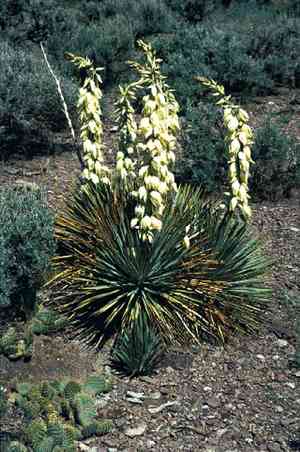
A primary attribute making Spanish bayonet prominent in any garden is its distinct, blade-like foliage. These sturdy, arching leaves not only serve as a dramatic focal point but also introduce an architectural element to the landscape. Furthermore, Spanish bayonet showcases impressive clusters of white blossoms that appear seasonally, offering a lovely contrast to its darker leaves. This blend of sharp foliage and delicate flowers can instantly elevate your garden's visual allure.
Year-round visual effects of Spanish bayonet
The aesthetic charm of Spanish bayonet shifts with the seasons, providing continuous interest. In spring and summer, Spanish bayonet is adorned with its spectacular flower stalks that can reach considerable heights. During autumn, its robust leaves remain vibrant, acting as a green anchor in the landscape as other plants begin to fade. In winter, while many plants become dormant, Spanish bayonet retains its form and structure, standing tall and preserving garden aesthetics even in colder periods.
Integrating Spanish Bayonet into Various Landscape Designs
Optimal methods for incorporating Spanish bayonet into minimalist garden schemes
In minimalist garden designs, simplicity often reigns, and the bold form of Spanish bayonet aligns perfectly with this philosophy. To effectively integrate Spanish bayonet, use it as a focal point against a backdrop of clean lines and understated textures. Plant Spanish bayonet individually or in small groupings to draw the eye and establish key visual elements. Surround it with gravel or other minimalist ground covers to highlight its sculptural quality without overwhelming the area.
Adding Spanish bayonet to xeriscape environments for drought resilience
Given its inherent drought tolerance, Spanish bayonet is an excellent choice for xeriscape landscapes, which prioritize water conservation. When planning a xeriscape garden, position Spanish bayonet in full sun to ensure its optimal growth. Pair it with other drought-resistant plants like succulents and cacti to create a harmonious and sustainable landscape. Incorporating mulches and well-draining soil around Spanish bayonet can further support its development while adhering to xeriscape principles.
Utilizing Spanish bayonet as a central feature in formal garden layouts
Spanish bayonet can also excel in more traditional, formal garden settings. Its upright growth and symmetrical shape make it a natural centerpiece for garden beds and borders. To employ Spanish bayonet as a focal point, place it in prominent positions such as the middle of a circular bed or at the ends of pathways to attract attention. Complement its formality with neatly trimmed hedges and orderly plantings to achieve a balanced and visually pleasing garden design.
Companion Plants and Elements That Pair Well with Spanish Bayonet
Selecting low-maintenance partners for Spanish bayonet
When choosing companion plants for Spanish bayonet, opt for species that are equally easy to care for and thrive in similar conditions. Plants such as lavender, agave, and ornamental grasses are excellent selections as they require minimal water and upkeep. These companions not only match the aesthetic and growing requirements but also help to create a cohesive and visually appealing garden that demands less effort to maintain.
Color and texture contrasts with Spanish bayonet for heightened visual appeal
To maximize the visual impact of Spanish bayonet, consider pairing it with plants that offer contrasting colors and textures. For instance, the silvery hues of Artemisia or the vibrant blossoms of Echinacea can provide a striking contrast against Spanish bayonet's deep green leaves. Additionally, introducing plants with softer textures, like lamb's ear or sedum, can balance the sharpness of Spanish bayonet's foliage, adding depth and interest to your garden arrangement.
Long-term Cultivation and Care Advice for Spanish Bayonet in Landscaping
Understanding the growth characteristics of Spanish bayonet
Spanish bayonet typically exhibits a slow but consistent growth pattern, making it a relatively predictable and manageable plant. Generally, it will reach a significant height over several years, providing a lasting presence in your garden. Recognizing that Spanish bayonet grows slowly can assist you in planning your garden's long-term layout more effectively, ensuring it has ample space to flourish without crowding other plants.
Seasonal recommendations for preserving the aesthetic value of Spanish bayonet
To maintain the aesthetic appeal of Spanish bayonet throughout the seasons, regular but minimal care is necessary. In spring, remove any dead or damaged leaves to keep the plant looking neat and encourage healthy growth. During the blooming season, you might need to stake the flower spikes if they are particularly tall or prone to wind damage. In autumn and winter, a light pruning can help maintain Spanish bayonet's shape and structure. Additionally, ensure it has good drainage during wetter months to prevent root rot.



