How to Transplant Narrowleaf yucca?
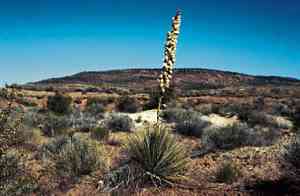
The ideal period for transplanting narrowleaf yucca is in the mild warmth of late spring to early summer, facilitating consistent development. Select a bright, well-drained location and contemplate incorporating grit for improved root establishment, fostering a smooth adjustment.
Essential Preparations Before Relocating Narrowleaf Yucca
Optimal Timing for Narrowleaf Yucca Relocation?
The best time to move narrowleaf yucca is from late spring to early summer. This period offers mild temperatures and stable conditions that narrowleaf yucca prefers. Root development proceeds smoothly, and plant stress is minimized, ensuring a robust start for its growth phase. A methodical approach during this window aligns with narrowleaf yucca's life cycle, fostering strong health and vigor.
Recommended Spacing Between Narrowleaf Yucca Plants?
Avoid planting your narrowleaf yucca specimens too closely together. Each plant requires adequate room to flourish. Aim for a separation of approximately 2-3 feet (60-91 cm). This spacing provides ample area for development and ease of maintenance.
Ideal Soil Blend for Narrowleaf Yucca Transplanting?
When preparing to plant your narrowleaf yucca, ensure you have well-draining soil available. Incorporate a base fertilizer to enrich the soil. This plant will thrive best in a sandy or gritty soil mixture with good drainage.
Choosing a New Location for Your Narrowleaf Yucca?
Select a site that receives full sun exposure for your narrowleaf yucca. This species loves sunlight and will reach its full potential with at least 6 hours of direct sun daily.
Tools Required Before Transplanting Narrowleaf Yucca?
Gardening Gloves
To safeguard your hands while handling the narrowleaf yucca plant and working with the soil.
Shovel or Spade
To assist in excavating the ground where narrowleaf yucca will be replanted.
Garden Hose or Watering Can
To provide water to the plant before and after the relocation process.
Pruning Shears
To trim the narrowleaf yucca plant if necessary.
Wheelbarrow or Garden Cart
To move the narrowleaf yucca plant from one spot to another within your garden.
Mulch
To help maintain soil moisture around the narrowleaf yucca plant after transplanting.
Garden Trowel
To dig holes for transplanting the narrowleaf yucca plant if moving it from a pot or seedling tray.
How to Extract Narrowleaf Yucca from the Soil?
How to Extract Narrowleaf Yucca from the Soil?
From Ground: Start by watering the narrowleaf yucca plant to moisten the soil. Use a shovel or spade to dig a generous circle around the plant. Ensure you dig deep enough to keep the root ball intact. Carefully work the spade beneath the root ball to detach the plant from its original position.From Pot: If the narrowleaf yucca plant is in a container, simply water it first, then turn it on its side. When adequately watered, the plant should slide out easily. Otherwise, tap the sides to loosen the soil and gently remove the plant.From Seedling Tray: When relocating a narrowleaf yucca seedling, lightly water the tray to facilitate removal. Gently grasp the foliage or a sturdy part of the plant and slowly pull upward. It is crucial never to yank the plant.
Step-by-Step Guide for Relocating Narrowleaf Yucca
Plant Preparation
Thoroughly water the narrowleaf yucca plant before beginning the transplanting process. Prune if essential using pruning shears, but avoid excessive trimming.
Digging the Hole
Using a shovel or garden trowel, depending on your narrowleaf yucca's size, excavate a hole that is twice the width but the same depth as the root ball. Form a small mound of soil in the center of the hole to support the plant.
Transplanting
Carefully position the narrowleaf yucca plant into the hole. Ensure the root ball is level with or slightly above the ground surface.
Filling the Hole
Backfill the hole with the same soil that was removed. Gently pat it down to eliminate air pockets.
Watering
Water the plant thoroughly after transplanting. Keep the soil moist, but prevent overwatering.
Post-Transplant Care for Narrowleaf Yucca
Watering
Maintain consistent soil moisture, but avoid saturation, for several weeks after transplanting to help the narrowleaf yucca establish a robust root system.
Pruning
Wait a few weeks before performing any pruning. Only remove dead, damaged, or diseased parts of the narrowleaf yucca plant. Avoid extensive pruning as the plant needs its leaves to generate energy for root establishment.
Monitoring
Observe the narrowleaf yucca for any indications of stress such as wilting, yellowing, or drooping leaves. If these symptoms appear, it may signal an issue with the transplanting process, such as insufficient water, transplant shock, or disease.
Addressing Common Issues During Narrowleaf Yucca Transplantation.
When is the best time to transplant narrowleaf yucca?
The optimal period for relocating narrowleaf yucca is during S3-S5, the moderately cool season, allowing ample time for root establishment.
What distance should I maintain between each narrowleaf yucca during transplanting?
Keep a spacing of approximately 2-3 feet (60-90 cm) between each narrowleaf yucca. This provides sufficient room for growth and prevents overcrowding.
Which soil type is most suitable for transplanting narrowleaf yucca?
Narrowleaf yucca thrives in well-draining sandy or gritty soil. It prefers a soil pH that ranges from slightly acidic to slightly alkaline.
Should I water narrowleaf yucca immediately after transplanting?
Yes, but not excessively. Water narrowleaf yucca thoroughly after transplanting to help it settle. However, remember it dislikes waterlogged conditions.
My transplanted narrowleaf yucca is wilting, what action should I take?
Check the watering levels. Both over and under-watering can cause wilting. If the soil is too dry, water deeply. If too wet, allow it to dry out.
How do I prepare the site before transplanting narrowleaf yucca?
Prepare the site by clearing any weeds or other plants, digging a hole twice the size of the root ball, and loosening the surrounding soil.
Why are the leaves of my transplanted narrowleaf yucca turning yellow?
Yellowing leaves often indicate over-watering or poorly draining soil. Reduce watering and ensure the soil structure allows for proper drainage.
How frequently should I water narrowleaf yucca after transplanting?
Water narrowleaf yucca immediately after transplanting, then follow with deep watering every 1-2 weeks, or when the top inch of soil is dry.
What is the ideal sun exposure for my transplanted narrowleaf yucca?
Narrowleaf yucca prefers full sun to light shade. Ensure it receives at least 6 hours of sunlight daily for optimal growth.
How should I handle the root balls when transplanting narrowleaf yucca?
Handle the root balls of narrowleaf yucca with care. Any rough handling or damage can shock the plant, hindering growth and potential recovery.



