Enhancing Your Garden Design with the Narrowleaf yucca Plant: A Landscaping Guide
1
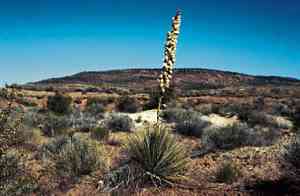
The Narrowleaf yucca tolerates dry conditions and requires minimal care, making it ideal for arid regions and desert environments.
2
Incorporating Narrowleaf yucca can elevate your garden's aesthetic due to its distinctive leaves and impressive look.
3
Narrowleaf yucca complements a range of other plants, allowing for varied and attractive garden designs.
Optimal Placement and Cultivation of Narrowleaf Yucca
Selecting the Ideal Spot for Narrowleaf Yucca
Selecting the appropriate site is vital for the best development and visual appeal of Narrowleaf yucca. This species thrives in full sun, so choose a garden area that receives ample sunlight throughout the day. Ensure the ground drains well to prevent water accumulation, which can harm the plant's root system. As Narrowleaf yucca can grow quite large, allow sufficient room for it to expand without crowding other plants. Position it strategically as a focal point or to fill voids in your landscape. Whether placed alone or in groups, its location significantly impacts its aesthetic value.
Guidelines for Planting and Initial Care of Narrowleaf Yucca
Planting Narrowleaf yucca is a simple task if you follow a few key recommendations. Begin by digging a hole twice the width and the same depth as the root ball. Place the plant in the hole and backfill halfway with soil, then water to help settle the roots. Afterward, fill the remaining hole with soil and water again to ensure proper hydration. During the first few weeks, keep the soil slightly moist but not excessively wet. Once established, Narrowleaf yucca needs minimal watering. Applying a layer of mulch can help retain moisture and suppress weeds. These straightforward steps will help your Narrowleaf yucca adapt and flourish in its new setting.
Maintaining Narrowleaf Yucca in Your Garden
Routine Care Practices for Narrowleaf Yucca
Maintaining Narrowleaf yucca in your garden requires relatively little effort, making it an appealing choice for busy gardeners. Regularly remove dead foliage to keep the plant looking neat and tidy. Prune the flower stalks after they have bloomed and dried. This not only helps preserve the plant's appearance but also encourages new growth. While Narrowleaf yucca is drought-tolerant, occasional deep watering during prolonged dry spells can support its health. Fertilization is generally unnecessary, but a light application of a balanced fertilizer in spring can boost growth. Periodically check for pests like yucca moths or scale insects and take action if infestations are observed.
Addressing Common Issues with Narrowleaf Yucca
Even though Narrowleaf yucca is a resilient plant, it is not entirely immune to problems. A frequent issue is root rot, caused by waterlogged soil. To prevent this, ensure you plant Narrowleaf yucca in well-draining soil and avoid overwatering. Another challenge can be the presence of pests such as the yucca moth, which lays eggs in the plant's seeds. Using organic pest control methods can help manage this problem. Additionally, cold snaps can sometimes affect Narrowleaf yucca in regions with harsh winters. In such cases, consider covering the plant during extreme cold periods to protect it. Understanding these common challenges and knowing how to resolve them will ensure your Narrowleaf yucca remains a healthy and attractive feature of your landscape.



