How to Prune Narrowleaf yucca?
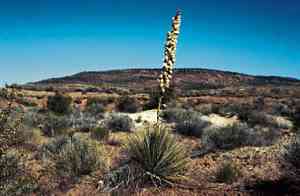
This succulent flourishes in dry environments, characterized by its blade-like foliage and tall floral spikes. For Yucca angustissima, removing withered or compromised leaves at their origin boosts the plant's vitality and visual attractiveness. Cutting back flower stalks after flowering inhibits seed scattering, promoting additional blossoms. Perform pruning from spring through autumn, refraining from winter to avert strain. Pruning aids in managing diseases and minimizing detritus, cultivating a robust and aesthetically pleasing Yucca angustissima.
What Are the Benefits of Pruning Narrowleaf Yucca?
What Are the Benefits of Pruning Narrowleaf Yucca?
Trimming narrowleaf yucca promotes vigorous development and maintains a neat appearance. Consistent removal of old or damaged foliage ensures optimal plant health and aesthetic structure.
What Is the Best Time for Pruning Narrowleaf Yucca?
What Is the Best Time for Pruning Narrowleaf Yucca?
Trimming narrowleaf yucca from late spring to early summer allows for the removal of any winter-damaged or dead foliage. This timing aligns with the plant's natural growth cycle when narrowleaf yucca begins active growth and can recover from cuts more efficiently. It also helps shape the plant before it dedicates its full energy to growth and reproduction. Pruning during this period minimizes disruption to its flowering cycle, as narrowleaf yucca blooms in summer. Fall pruning is not advised because new growth might not have sufficient time to harden before colder temperatures, making the plant more susceptible to winter damage.
What Tools Do I Need to Prune Narrowleaf Yucca?
Sharp Bypass Pruners
Perfect for making clean cuts through fibrous and tough foliage without crushing plant tissues. They assist in precisely removing dead or damaged leaves from narrowleaf yucca.
Long-handled Loppers
Offer extended reach and leverage for cutting thicker branches that may be out of arm's reach. Also useful for safely pruning narrowleaf yucca without getting too close to its pointed leaves.
Protective Gloves
Thick, durable gloves safeguard hands and arms from narrowleaf yucca's sharp leaves during the pruning process.
Pruning Saw
Recommended for cutting through the thickest parts of narrowleaf yucca's woody trunks or stems, in situations where loppers are insufficient.
How to Prune Narrowleaf Yucca
Clean Tools
Before starting, sanitize pruning tools with a solution of one part bleach to nine parts water to prevent the spread of disease to narrowleaf yucca.
Remove Diseased Leaves
Carefully trim away any diseased leaves and withered leaves from narrowleaf yucca using sharp, sterilized pruning shears. Cut the leaves back to the base without harming the trunk.
Eliminate Dead Branches
Identify and cut back any dead branches on narrowleaf yucca to the point where healthy tissue is visible. Ensure clean cuts and avoid tearing.
Trim Diseased Branches
Cut off any diseased branches from narrowleaf yucca, making sure to cut well below the affected area to remove all diseased tissue.
Dispose Of Waste
Properly dispose of all pruned material by removing them from the area surrounding narrowleaf yucca to prevent the spread of disease and deter pests.
Common Pruning Mistakes with Narrowleaf Yucca
Overzealous Pruning
Cutting back too much can stress narrowleaf yucca, leading to poor growth or even jeopardizing its survival. Aim to remove only what's necessary, such as damaged or dead material.
Imprecise Cuts
Using dull tools or making jagged cuts can damage narrowleaf yucca's tissue, increasing susceptibility to diseases. Ensure blades are sharp and cuts are clean.
Unnecessary Pruning
Narrowleaf yucca is a low-maintenance plant that requires little pruning. Unwarranted cutting can prevent the natural, attractive shape and flowering.
Disregarding Plant Structure
Cutting without understanding the growth pattern of narrowleaf yucca can lead to an unsightly plant. It's essential to consider its rosette-forming habit when pruning.
Removing Too Many Leaves
Excessive removal of leaves can reduce narrowleaf yucca's photosynthesis efficiency and weaken the plant. Leave enough foliage for energy production.
Common Pruning Tips for Narrowleaf Yucca
Dead Material Removal
Regularly inspect narrowleaf yucca and gently remove any brown, dead leaves at the base of the rosette, which can be gently tugged off or snipped close to the trunk with clean shears.
Sharp Tools
Utilize sharp, sanitized pruning shears or knives when cutting narrowleaf yucca to minimize damage and disease risk.
Correct Form Maintenance
Prune to maintain narrowleaf yucca's natural spherical shape. Remove any errant shoots or leaves that disrupt this form, but do so sparingly to avoid over-pruning.
Support Flowering
To encourage flowering, focus on removing only the spent flower stalks once they have completely dried. This directs narrowleaf yucca's energy to new growth and potential blooms.
Health Monitoring
After pruning, monitor narrowleaf yucca for signs of stress or pests. Healthy pruning practices will support recuperation and continued vitality.



