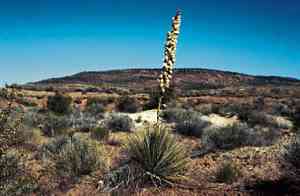
Narrowleaf yucca (Yucca angustissima)
Also known as: Narrowleaf Yucca, Slimleaf Yucca
The Narrowleaf yucca (Yucca angustissima) is a perennial shrub indigenous to the southwestern United States. This decorative plant features elongated, slender leaves with sharp tips. Along the leaf edges, you can find long, curly white fibers that accentuate its vibrant green foliage.
In This Article
Attributes of Narrowleaf yucca
Lifespan
Perennial
Plant Type
Herb, Shrub
Plant Height
40 cm
Spread
3 m
Leaf Color
Green
Flower Size
2 cm to 3 cm
Flower Color
White
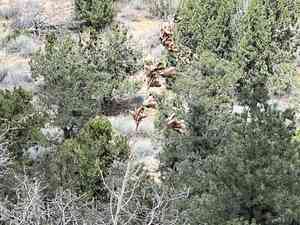
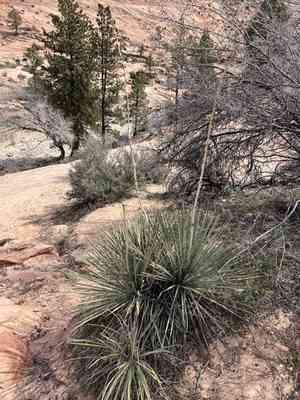
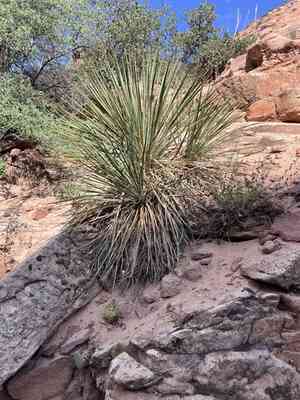
Images of Narrowleaf yucca

Quickly Identify Narrowleaf yucca
1
To identify Yucca angustissima, look for its narrow, sword-shaped leaves that can grow up to 2 feet long. The plant typically grows in clumps and produces a tall flowering stalk with bell-shaped, white to cream-colored flowers.
Scientific Classification of Narrowleaf yucca
Phylum
Vascular plants
Class
Monocotyledons
Order
Asparagales
Family
Asparagus
Genus
Yuccas
Species
Narrowleaf yucca
Planting and Growing of Narrowleaf yucca
Care Difficulty
Easy
Watering Schedule
Every 2 days
Sunlight Requirements
Full sun
Sunshine Duration
6-10 hours
Ideal Temperature
65-75℉
Soil Type
Potting Mix, Peat Mix
Soil pH
6.5-7.5
Fertilizer Type
Balanced
Pruning Season
Spring, Summer
Pruning Area
Branches, Leaves
Pruning Frequency
2 times a year
Repotting Season
Spring
Pot Type
Plastic, Ceramic
 How to Water Narrowleaf yucca?
Yucca angustissima requires precise watering, which is crucial for its health. Each time you water, aim to pour around 200 milliliters, ensuring the soil is adequately moist but not soggy. This typically involves watering until you see a slight moisture change in the top soil layer, while letting excess water drain away to prevent waterlogging.
What are the symptoms of an underwatered Narrowleaf yucca?
›
What should I do if my Narrowleaf yucca is not getting enough water?
›
What are the symptoms of an overwatered Narrowleaf yucca?
›
How to save an overwatered Narrowleaf yucca?
›
 What Are the Sunlight Requirements for Narrowleaf yucca?
Yucca angustissima favors bright, full sunlight for at least 6 to 8 hours daily. This light fidelity ensures robust and healthy plant growth with vibrant, strong leaves.
More About Sunlight Requirements Techniques→
How much sun does Yucca angustissima need?
›
What solutions exist to provide ideal lighting?
›
What are the benefits of adequate lighting?
›
 What Is the Ideal Temperature Range for Narrowleaf yucca?
Yucca angustissima thrives best in temperatures that mimic its native, desert-like conditions. This range provides the optimal warmth for energy-efficient photosynthesis, ensuring the plant remains healthy and robust. Temperatures between 65°F and 75°F facilitate proper growth and flower production.
 What Soil is Best for Narrowleaf yucca?
Yucca angustissima thrives in well-drained soil, which helps prevent root rot by allowing excess water to escape easily. This condition mimics the plant’s native desert environment, providing excellent aeration and minimizing water retention. This plant doesn’t require overly rich soil; rather, it benefits from moderately fertile conditions, which can sustain growth without overwhelming the roots. Such balanced fertility ensures healthy foliage and maintains the plant’s natural resilience to nutrient fluctuations. Yucca angustissima prefers soil that maintains low moisture content. This ensures that the roots remain dry between waterings, preventing fungal infections and mimicking the arid conditions it would experience in its native habitat.
 How to Fertilize Narrowleaf yucca?
For Yucca angustissima, a modest amount of fertilizer is recommended. Limit liquid fertilizer to half the manufacturer’s recommended dose each month during the growing season, avoiding root burn and ensuring healthy growth without overloading the plant with nutrients.
 How to Prune Narrowleaf yucca?
To prune your Yucca angustissima, start by wearing thick gloves to protect your hands from sharp leaves. Use clean, sharp pruning shears to trim back any dead or damaged leaves close to the trunk. If the plant is tall, cut off the top most leaves to control its height and encourage lateral branching. Always prune at an angle near the base of the leaf stem to ensure proper healing.
More About Pruning Techniques→
 How to Propagate Narrowleaf yucca plant?
1
Gather seeds from mature Yucca angustissima pods at the end of their growing season. Ensure the seeds are dry and store them in a cool, dry place until ready for planting.
2
Select a healthy stem and use clean pruning shears to cut a 10-15 cm long piece. Remove the lower leaves and allow the cutting to dry for a day to promote callus formation before planting.
3
Divide the plant's rhizomes during the late spring. Ensure each division has sufficient roots and replant promptly in suitable soil to encourage regrowth.
 How to Repot Narrowleaf yucca plant?
1
Signs that your Yucca angustissima needs repotting include slowed growth, roots protruding from drainage holes, or water not draining properly. Spring and early summer are ideal seasons for repotting, aligning with the plant's active growth phase, thus minimizing stress and maximizing recovery.
2
Select a pot with a diameter about 2 inches larger than its current one. Drainage holes are essential to prevent waterlogging and root rot. A terracotta pot is a wise choice as its porous nature allows for air exchange, helping keep the roots healthy.
3
Opt for a well-draining cactus or succulent mix. This soil type prevents water retention, mimicking the plant's native arid environment. The added perlite or sand ensures root aeration, reducing the risk of rot and fostering robust growth.



