How to Transplant Brome fescue?
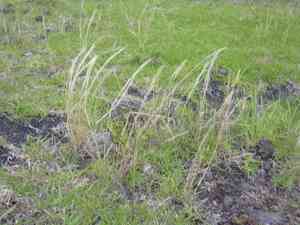
The ideal period for relocating brome fescue extends from the cold grasp of early winter through the mild temperatures of mid-spring, allowing the plant to establish itself prior to summer. Select a bright spot with adequately draining earth to encourage vigorous development post-transplant.
What Preparations are Needed Before Transplanting Brome Fescue?
What is the Ideal Time for Transplanting Brome Fescue?
The best period to move brome fescue is from the start of cooler weather to the beginning of warmer seasons, typically from late autumn until just before spring. This timeframe offers mild temperatures, which are perfect for root development without the strain of extreme heat or cold. Moving brome fescue during this window allows roots to settle comfortably, ensuring a strong base for growth. The cooler weather reduces transplant shock, helping brome fescue flourish and look its best when growth resumes.
How Much Space Should You Leave Between Brome Fescue Plants?
When preparing to rehome your brome fescues, remember to provide them with sufficient room. Aim for a spacing of approximately 4-6 inches (10-15 cm) between each plant. This comfortable distance helps them grow well without crowding their neighbors.
What is the Best Soil Mix for Brome Fescue Transplanting?
Before your brome fescues establish themselves, prepare a welcoming bed for them â incorporate well-draining soil with a touch of balanced fertilizer. Consider it a continuous welcome gift that supports their growth.
Where Should You Relocate Your Brome Fescue?
Your brome fescues will want to absorb sunlight, so find them a sunny location where they can enjoy at least 6 hours of direct light daily. It's like selecting the perfect sunny beach spot, but for your plants!
What Equipments Should You Prepare Before Transplantation Brome Fescue?
Gardening Gloves
To safeguard your hands while handling soil and plants.
Trowel or Spade
For digging and relocating the plant.
Watering Can
To hydrate the plant before and after its move.
Pruning Shears
For trimming roots, if required.
Garden Fork
To loosen the soil around the rootball when extracting the plant.
Wheelbarrow or Plant Tray
For moving the plant to its new spot.
How Do You Remove Brome Fescue from the Soil?
How Do You Remove Brome Fescue from the Soil?
From Pot: Gently tap the pot's sides to loosen the soil. Invert the pot, supporting the brome fescue in your hand. Carefully pull the pot away while holding the plant's base.From Seedling Tray: Use a trowel or your fingers to carefully lift the brome fescue from the tray, ensuring the soil around the roots remains intact.From Ground: Water the brome fescue to moisten the soil. Then, dig a circle around the plant, leaving ample space to avoid cutting roots. Use the garden fork to lift the root ball from its original position.
Step-by-Step Guide for Transplanting Brome Fescue
Prepare New Site
Ready the new planting area by loosening the soil and removing any weeds or debris.
Dig the Hole
Excavate a hole that is twice the width of the brome fescue's root ball and equally deep.
Root Inspection
Examine the brome fescue's roots. If any are damaged or circling, use pruning shears to trim them.
Placement
Position the brome fescue in the center of the hole. Ensure it stands upright and the top of the rootball is level with the surrounding soil.
Backfill the Hole
Carefully refill the hole with soil, gently firming it down around the brome fescue's roots.
Water
Thoroughly water the brome fescue to settle the soil and eliminate air pockets.
How Do You Care For Brome Fescue After Transplanting?
Watering Schedule
In the weeks following its relocation, water the brome fescue regularly to keep the soil consistently moist.
Mulching
Apply mulch around the brome fescue to retain moisture, regulate soil temperature, and deter weed growth.
Support
If the brome fescue appears unstable in its new spot, provide support using a stake or plant tie.
Monitoring
Watch for signs of stress, such as wilting or discolored leaves, and take appropriate action.
Troubleshooting Common Issues with Brome Fescue Transplantation.
When is the best time to transplant brome fescue?
Move brome fescue from early winter through mid-spring for optimal root establishment.
How far apart should I space brome fescue when transplanting?
Maintain a distance of approximately 4 inches (10 cm) to 6 inches (15 cm) between brome fescue plants.
Why is my brome fescue not thriving after transplant?
Ensure the transplant isn't too deep or shallow, and that it's in well-drained soil with adequate sunlight.
Can I transplant brome fescue in late spring or summer?
Late spring or summer heat may stress brome fescue; early transplanting is best for establishment.
What soil conditions are ideal for transplanting brome fescue?
Use a loamy, well-draining soil with moderate fertility for brome fescue to thrive.
How often should I water brome fescue after transplanting?
Water brome fescue moderately to keep the soil moist, not waterlogged, until established.
What should I do if brome fescue leaves turn yellow post-transplant?
Yellow leaves may indicate overwatering or lack of nutrients. Adjust watering and consider a balanced fertilizer.
Is there a specific technique for transplanting brome fescue seedlings?
Gently loosen the root ball without damage and plant at the same depth it was growing before.
How do I protect young brome fescue transplants from frost?
Use a frost cloth to cover brome fescue transplants on chilly nights to shield from frost damage.
What is an indicator that brome fescue is ready for transplant?
Brome fescue should have several true leaves and be sturdy before transplanting to ensure survivability.



