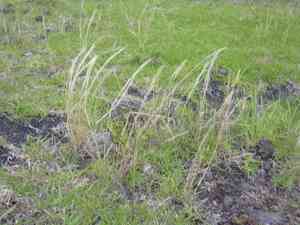
Brome fescue (Vulpia bromoides)
Also known as: Squirrel tail fescue, Vulpia hairgrass
Brome fescue (Vulpia bromoides), also known as squirrel-tailed fescue, is an annual grass that flourishes in well-drained, primarily dry soils and can grow in both full sun and partial shade. It typically blooms from late winter through early summer, producing spikes that resemble a squirrel's tail.
In This Article
Attributes of Brome fescue
Lifespan
Annual
Plant Type
Grass
Plant Height
5 cm to 60 cm
Spread
N/A
Leaf Color
Green
Flower Size
6 mm to 9 mm
Flower Color
Yellow Green Purple Brown
Images of Brome fescue
Quickly Identify Brome fescue
1
Identify Vulpia bromoides by its slender, erect stems reaching up to 45 cm tall. Its leaves are linear and up to 15 cm long with a rough texture. The inflorescence is a loose panicle with long, hair-like awns extending from the spikelets.
Scientific Classification of Brome fescue
Phylum
Vascular plants
Class
Monocotyledons
Order
Poales
Family
Grass
Genus
Vulpia
Species
Brome fescue
Planting and Growing of Brome fescue
Care Difficulty
Easy
Watering Schedule
Every 2 days
Sunlight Requirements
Full sun
Sunshine Duration
4-8 hours
Ideal Temperature
60-75℉
Soil Type
Potting Mix, Peat Mix
Soil pH
6.5-7.5
Fertilizer Type
Balanced
Pruning Season
Spring, Summer
Pruning Area
Branches, Leaves
Pruning Frequency
2 times a year
Repotting Season
Spring
Pot Type
Plastic, Ceramic
 How to Water Brome fescue?
Vulpia bromoides requires a moderate watering regimen. Ensure the soil is moist but not soggy, aiming to provide around 200 ml of water at each watering. The key is to moisten the soil evenly, allowing it to dry out slightly between waterings. Use your finger to check the top inch of soil; it should be dry before you water again.
What are the symptoms of an underwatered Brome fescue?
›
What should I do if my Brome fescue is not getting enough water?
›
What are the symptoms of an overwatered Brome fescue?
›
How to save an overwatered Brome fescue?
›
 What Are the Sunlight Requirements for Brome fescue?
Vulpia bromoides ideally thrives in full sun, though it can adapt to partial sun. Adequate sunlight ensures robust growth, healthy foliage, and consistent flowering, essential for its life cycle.
More About Sunlight Requirements Techniques→
What is the best environment for Vulpia bromoides?
›
How can I ensure Vulpia bromoides receives ideal lighting?
›
What benefits come from ideal lighting for Vulpia bromoides?
›
 What Is the Ideal Temperature Range for Brome fescue?
The ideal temperature range for the growth of Vulpia bromoides is between 60°F and 75°F. This range allows the plant to maintain optimal physiological processes, including photosynthesis and respiration. When temperatures are within this range, the plant can efficiently utilize nutrients and water for growth and reproduction. It is also the range where the risk of diseases is minimized.
 What Soil is Best for Brome fescue?
Vulpia bromoides thrives in well-draining soils, as excess water around the roots can lead to root rot and other diseases. Ensuring proper drainage helps maintain soil aeration and promotes healthy root development. This grass is accustomed to nutrient-poor conditions and will do well in soils that aren't overly rich in organic matter. This low fertility requirement can be beneficial in environments where maintaining rich soil is challenging. While it prefers good drainage, Vulpia bromoides also requires consistent moisture levels. The soil should not dry out completely, but avoid waterlogged conditions to optimize growth.
 How to Fertilize Brome fescue?
When fertilizing Vulpia bromoides, it is important to maintain a balanced application. Use approximately 0.5 to 1 gram of nitrogen-rich fertilizer per square foot to avoid over-application and potential soil imbalances.
 How to Prune Brome fescue?
While regular pruning is beneficial, over-trimming can stress the plant and impede its natural growth patterns. Always leave some foliage intact to ensure the plant continues to photosynthesize efficiently. Monitor the plant for signs of over-pruning, such as stunted growth or faded coloration, and adjust your techniques accordingly. To prevent the spread of disease, always sanitize your gardening tools before and after trimming. Use a mixture of bleach and water or isopropyl alcohol to disinfect the blades. This practice not only protects Vulpia bromoides but also ensures all your gardening endeavors remain free from unwanted infections or infestations.
More About Pruning Techniques→
 How to Propagate Brome fescue plant?
1
Collect seeds from mature Vulpia bromoides plants when they dry on the plant. Ensure they are fully matured and store them in a cool, dry place until ready to plant.
2
Prepare a seed tray with potting mix, evenly sprinkle the seeds on top, then lightly cover them with a thin layer of soil. Water gently to ensure seeds remain in place.
3
Place the tray in a warm, sunny location. Regularly check moisture levels and keep the soil consistently damp but not waterlogged to promote healthy germination.
 How to Repot Brome fescue plant?
1
Repot Vulpia bromoides when you notice roots starting to circle the bottom of the container or visibly popping out. It's an indicator the plant has outgrown its current pot. Also, if the growth appears stunted or the soil isn't drying out between waterings, it might be time for a new pot. Optimal repotting time is during early spring or autumn, as the plant isn't in a dormant state and can recover quickly.
2
Select a pot that is one size larger than the current one, with at least one drainage hole at the bottom. Use a breathable material like terracotta to help regulate moisture levels, reducing the risk of root rot. The ideal fit helps avoid excessive soil moisture, thus providing a balanced environment for growth.
3
Opt for well-draining sandy soil to prevent water retention that can lead to root rot. This type of soil allows for sufficient airflow and quick drying, which suits the specific moisture needs of Vulpia bromoides. Blending in some perlite or small gravel can also enhance the draining capability and soil structure.



