How to Prune Brome fescue?
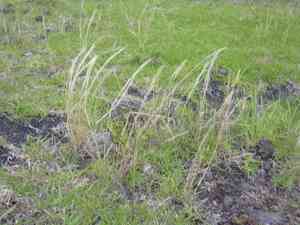
This graminoid variety flourishes with infrequent trimming. Brome fescue benefits from a cut to eliminate withered leaves and stimulate fresh development. Trimming ought to occur in spring, once the danger of frost has subsided, or during the initial part of summer. Autumnal pruning readies brome fescue for its dormant phase, boosting its hardiness. Always avoid removing more than a third of its total length to avert strain. Trimming fosters a more compact form, potentially enhancing soil coverage and plant robustness.
What Are the Benefits of Pruning Brome Fescue?
What Are the Benefits of Pruning Brome Fescue?
Trimming brome fescue promotes robust development and preserves its attractive form. Consistent cutting can prevent excessive growth, ensuring brome fescue remains healthy and visually pleasing.
What Is the Best Time for Pruning Brome Fescue?
What Is the Best Time for Pruning Brome Fescue?
Trimming brome fescue in Spring, prior to new growth, allows the plant to direct energy towards producing healthy new shoots rather than diverting resources to parts that will be removed. Late Summer pruning coincides with the end of the active growth phase, enabling shaping and removal of any overgrowth while minimizing stress. Early Fall pruning is suitable for tidying up brome fescue, but it's crucial to complete this before cold weather sets in to prevent frost damage to fresh cuts. These periods enhance the health, vigor, and resilience of brome fescue throughout its growth cycle, while also respecting its seasonality and avoiding disruptions during flowering or seeding.
What Tools Do I Need to Prune Brome Fescue?
Hand Pruners
Perfect for cutting slender stems and removing dead or overgrown foliage of brome fescue, ensuring the plant maintains its shape and health. These compact, handheld instruments offer precision and are ideal for detailed work on brome fescue's delicate, grass-like texture.
Grass Shears
These are appropriate for trimming and shaping the grassy clusters of brome fescue. The long, sharp blades facilitate easy cutting through the foliage without harming surrounding grasses.
String Trimmer
For larger areas or where brome fescue grows more densely, a string trimmer can be utilized to quickly cut back the foliage. This tool will enable the gardener to manage brome fescue efficiently while keeping the landscape neat.
Gloves
Although not a pruning tool itself, gloves are vital for protecting the gardener's hands from sharp edges when working on brome fescue.
How to Prune Brome Fescue
Cleaning tools
Before beginning the pruning process, ensure all pruning tools are cleaned and sterilized to prevent the spread of disease to brome fescue.
Identification
Identify withered leaves on brome fescue by looking for foliage that is dry, discolored, or lifeless. Healthy leaves should be vibrant and firm to the touch.
Cutting
Using sharp scissors or pruning shears, carefully trim off the withered leaves at their base where they connect to the main stem or the soil line; this will encourage healthier growth and visual appeal.
Disposal
Collect and properly dispose of the trimmed withered leaves to prevent any potential disease or pests from affecting brome fescue.
Monitoring
Regularly observe brome fescue after pruning to check for new growth and any signs of stress, addressing them promptly to maintain the plant's health.
Common Pruning Mistakes with Brome Fescue
Overpruning
Excessive pruning can stress brome fescue, leading to reduced vigor and sparse regrowth. It's crucial to remove only what is necessary.
Using dull tools
Dull tools can damage brome fescue's stems, making it more vulnerable to pest and disease issues. Always use sharp, clean tools for a precise cut.
Neglecting dead material
Leaving dead or diseased foliage on brome fescue can attract pests and diseases. Regularly inspect and remove unhealthy material to maintain plant health.
Ignoring growth pattern
Failing to understand the growth pattern of brome fescue can result in misshapen plants. Pruning should enhance its natural form, not work against it.
Pruning too short
Cutting brome fescue too short can compromise its ability to photosynthesize effectively, which is essential for its energy production and growth.
Improper disposal
Not disposing of pruned material correctly can lead to the spread of disease. Always remove and destroy diseased plant parts safely.
Common Pruning Tips for Brome Fescue
Timing and frequency
For brome fescue, it's crucial to prune only as often as needed to maintain the desired size and shape, without strict schedules.
Tool preparation
Sanitize tools before pruning to prevent the spread of disease to brome fescue. Alcohol or a bleach solution can be used for cleaning.
Technique
Prune brome fescue using clean, angled cuts that allow water to drain and reduce the risk of fungal infections.
Selective pruning
Selectively thin out dense areas of brome fescue to improve air circulation and allow light to penetrate, which helps prevent disease and encourages even growth.
Regenerative pruning
When brome fescue requires rejuvenation, prune older stems to stimulate new growth, but ensure sufficient foliage remains for photosynthesis.
Supportive staking
If brome fescue is pruned for shape, consider using stakes or ties to support the plant until it's strong enough to maintain its form independently.



