The Brome fescue Plant Advantage: Maximizing Home and Office Appeal and Wellness
1
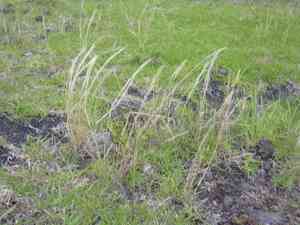
Brome fescue is a hardy plant that flourishes in various environmental settings.
2
It acts as an important food source for livestock.
3
Brome fescue aids in stopping soil degradation and improving ground quality.
Why is Brome Fescue Ecologically Important?
Versatility Across Climates
Brome fescue exhibits remarkable adaptability, thriving in diverse weather conditions. This is especially beneficial for gardeners and land managers as it can grow in both arid and humid environments, making it a dependable option for land restoration efforts. Its resilience to temperature shifts and soil types further boosts its usefulness in varied ecological settings.
Support for Local Wildlife
Brome fescue offers a vital food source for various herbivores, including livestock and wild animals. By incorporating this plant into grazing areas, land managers can bolster local biodiversity and ensure the availability of nutritious fodder. Additionally, Brome fescue serves as a habitat for numerous insects and small organisms, contributing to the overall health of the ecosystem.
How Does Brome Fescue Improve Soil Quality?
Erosion Prevention
One of the key advantages of Brome fescue is its capacity to prevent soil erosion. The plant's dense root network binds the soil together, lessening the risk of soil displacement by wind and water. This makes Brome fescue an excellent choice for stabilizing slopes, riverbanks, and other areas susceptible to erosion.
Nutrient Cycling
Brome fescue plays a crucial role in nutrient cycling within the soil. Its roots penetrate deep into the ground, breaking up compacted soil and facilitating the movement of water and nutrients. This process not only enhances soil structure but also increases the availability of essential minerals for other plants. As a result, the presence of Brome fescue can lead to healthier and more productive soil over time.
What Are the Gardening Advantages of Brome Fescue?
Minimal Upkeep Requirements
For gardeners, the low maintenance nature of Brome fescue is a significant advantage. The plant requires minimal water and care, making it an ideal choice for xeriscaping and sustainable gardening practices. Its hardy nature ensures that it can thrive with little intervention, reducing the need for frequent watering and fertilization.
Visual Appeal
Brome fescue also offers aesthetic benefits to garden landscapes. Its fine, feathery foliage adds texture and visual interest to gardens, providing a natural, meadow-like appearance. Gardeners can use Brome fescue to create beautiful borders, ground covers, and mixed plantings that enhance the overall visual appeal of their outdoor spaces.
How to Integrate Brome Fescue into Land Management Strategies?
Reclamation Projects
Brome fescue is particularly valuable in land reclamation projects. Its ability to establish quickly and stabilize disturbed soils makes it an excellent choice for restoring degraded land. By planting Brome fescue, land managers can accelerate the recovery of ecosystems, promoting the return of native vegetation and improving soil health.
Cover Cropping
In agricultural settings, Brome fescue can be used as a cover crop to protect and enhance soil health between planting seasons. Its root system prevents erosion, improves soil structure, and adds organic matter to the soil when it decomposes. This practice can lead to improved crop yields and more sustainable farming operations over the long term.
What Are the Environmental Benefits of Using Brome Fescue?
Pollinator Support
Brome fescue supports a variety of pollinators, including bees and butterflies. By providing a source of nectar and pollen, it plays a crucial role in maintaining healthy populations of these essential insects. This, in turn, supports broader ecosystem health and agricultural productivity.
Reduction in Invasive Species
In many regions, Brome fescue can help outcompete invasive species, restoring balance to local ecosystems. By establishing itself quickly and densely, it can prevent the spread of less desirable plants, contributing to a more balanced and resilient environment.



