How to Transplant Simpleleaf chastetree?
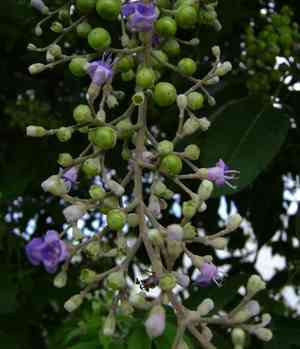
The ideal period for relocating simpleleaf chastetree is at the onset of spring's revitalization, which encourages robust root establishment. Select a location bathed in sunlight, featuring soil that drains effectively. Should it be necessary, enrich the soil's nutrients with organic matter to foster peak development.
What Preparations are Needed Before Transplanting Simpleleaf Chastetree?
What is the Ideal Time for Transplanting Simpleleaf Chastetree?
The perfect time to move simpleleaf chastetree is during the spring months, typically following the last frost. This season provides mild temperatures and sufficient moisture, which promotes robust root development. Relocating simpleleaf chastetree at this time prepares it for vigorous growth and strong health, as the warmer soil and longer days offer an ideal nurturing environment. Choosing this period for simpleleaf chastetree's transition ensures a successful beginning, setting the stage for abundant beauty in your garden.
How Much Space Should You Leave Between Simpleleaf Chastetree Plants?
When getting ready to transplant your simpleleaf chastetree, consider spacing. Allowing each plant an area of approximately 8-10 feet (2.4-3 meters) is advisable. This distance will encourage healthy development by ensuring proper sunlight and air circulation.
What is the Best Soil Mix for Simpleleaf Chastetree Transplanting?
For simpleleaf chastetree, loamy soil enriched with organic material works best. Incorporating a foundational fertilizer, such as compost or a slow-release granular product, will give your plants a nourishing start.
Where Should You Relocate Your Simpleleaf Chastetree?
Choose a spot that receives full sun for your simpleleaf chastetree. It thrives with at least six hours of direct sunlight daily. A sunny location will reward you with prolific growth and attractive foliage.
What Equipments Should You Prepare Before Transplantation Simpleleaf Chastetree?
Gardening Gloves
To safeguard your hands while handling soil and the simpleleaf chastetree plant.
Shovel or Spade
To excavate the simpleleaf chastetree plant from its current spot, keeping the root ball intact.
Pruning Shears
To trim any damaged roots or branches both before and after the transplanting process.
Gardening Fork
To loosen the soil in the new planting site prior to placement.
Watering Can
To hydrate the simpleleaf chastetree plant during and following the transplant operation.
Garden Trowel
To refine the planting hole for simpleleaf chastetree.
Garden Hose
For irrigating the surrounding ground and the new location.
Wheelbarrow
For moving the simpleleaf chastetree plant if necessary.
How Do You Remove Simpleleaf Chastetree from the Soil?
How Do You Remove Simpleleaf Chastetree from the Soil?
From Ground: Start by watering the area around the simpleleaf chastetree plant to moisten the soil, making excavation easier and reducing root stress. Next, use a garden spade or shovel to dig a wide circular trench around the plant, ensuring the plant's root ball remains whole. Carefully work the spade beneath the root ball to loosen the roots and lift the plant from its original position.From Pot: Begin by watering the simpleleaf chastetree plant in its container. Then, gently tilt the pot sideways and extract the simpleleaf chastetree plant, supporting the root ball and plant base. If the plant is stuck, you can tap the pot's edges to dislodge it.From Seedling Tray: Dampen the soil in the tray and then carefully remove the simpleleaf chastetree seedling by its root ball, not the stem. Use a spoon or small trowel to lift the plant without harming the roots.
Step-by-Step Guide for Transplanting Simpleleaf Chastetree
Preparation
Water the simpleleaf chastetree plant several hours before transplanting. This helps minimize shock and stress for the plant.
Dig Hole
Using either your spade or garden fork, excavate a hole in your chosen spot that is twice as wide and roughly the same depth as the simpleleaf chastetree plant's root ball. Loosen the soil in the hole to facilitate easier root penetration.
Inspect Roots
Trim any roots that appear damaged or diseased.
Placing
Position the simpleleaf chastetree plant in the hole. Ensure that the plant is at the identical depth as it was in its previous location.
Refilling
Backfill the hole with soil, making sure no air pockets remain around the roots. Gently but firmly press the soil around the base of the simpleleaf chastetree plant.
Watering
Water the simpleleaf chastetree plant generously immediately after transplanting.
How Do You Care For Simpleleaf Chastetree After Transplanting?
Consistent Care
Regularly check the simpleleaf chastetree plant to confirm it's adapting well to its new environment. Look for indications of transplant shock, such as wilting, yellowing, or dropped leaves.
Watering
Keep the soil around the simpleleaf chastetree consistently moist, but not saturated, for the initial few weeks post-transplant to aid in establishing strong roots. Do not allow the soil to completely dry out.
Pruning
Trim back approximately one-third of the simpleleaf chastetree plant's upper growth after transplanting. This decreases the amount of water the simpleleaf chastetree requires and enables it to focus on developing new roots.
Patience
Remember, plants may take some time to exhibit new growth after transplanting. Avoid making hasty judgments and provide gentle care.
Troubleshooting Common Issues with Simpleleaf Chastetree Transplantation.
When is the best time of the year to transplant simpleleaf chastetree?
The optimal period to transplant simpleleaf chastetree is during the early to mid-growing season, typically within the first three seasons of the year.
What is the ideal distance between each simpleleaf chastetree when transplanting?
Aim for a spacing of about 8-10 feet (2.4-3 meters). This ensures each plant has ample room to grow without competing for resources.
What is the best soil condition for transplanting simpleleaf chastetree?
Simpleleaf chastetree thrives in soil that drains well. Before transplanting, enrich the soil with compost or organic matter to enhance its fertility and drainage.
How deep should the hole be when transplanting simpleleaf chastetree?
Dig a hole that is twice the width and the same depth as the root ball of simpleleaf chastetree. This provides the roots with sufficient space to spread and grow.
How do I care for simpleleaf chastetree after transplanting?
Maintain consistent watering without over-saturating the soil. Apply a thick layer of mulch around the base to retain moisture and suppress weeds.
How much sunlight does simpleleaf chastetree need after transplanting?
Simpleleaf chastetree requires full sun exposure, meaning at least six hours of direct sunlight daily, for optimal growth after transplanting.
Can I transplant simpleleaf chastetree in a pot?
Yes, simpleleaf chastetree can be moved into a pot. Ensure the container is sufficiently large, has adequate drainage holes, and use a well-draining potting mix.
Why are the leaves of my transplanted simpleleaf chastetree wilting?
Wilting after transplanting is common and often results from transplant shock. Ensure you are providing enough water and that the plant is not exposed to extreme temperature fluctuations.
What should I do if the transplanted simpleleaf chastetree doesnât seem to grow?
Ensure that simpleleaf chastetree is receiving adequate sunlight, water, and nutrients. If the plant is in a shaded area, consider relocating it to a sunnier spot.
When should I start fertilizing a transplanted simpleleaf chastetree?
Allow a few weeks for simpleleaf chastetree to adjust to its new location before applying a balanced, slow-release fertilizer. Over-fertilization can stress the newly transplanted plant.



