How to Prune Simpleleaf chastetree?
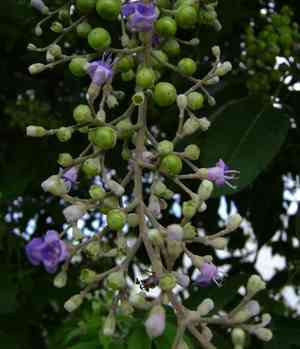
A robust seaside shrub, simpleleaf chastetree flourishes with little upkeep. Trim in winter to sculpt and eliminate lifeless or ailing branches, fostering vigorous development and air circulation. Snip back branch ends following blooming to stimulate a denser habit. More extensive trimming is acceptable if revitalization is required. Appropriate pruning preserves its appealing structure and optimizes its capacity for blossoms.
What Are the Benefits of Pruning Simpleleaf Chastetree?
What Are the Benefits of Pruning Simpleleaf Chastetree?
Trimming simpleleaf chastetree promotes robust development and helps maintain its desired form. Consistent cutting fosters a strong structure, ensuring the plant stays healthy and visually appealing.
What Is the Best Time for Pruning Simpleleaf Chastetree?
What Is the Best Time for Pruning Simpleleaf Chastetree?
Pruning simpleleaf chastetree during winter is ideal as the plant is typically inactive then. This dormant period minimizes stress on simpleleaf chastetree since it's not actively growing, reducing sap loss and susceptibility to diseases that can occur with pruning in warmer months. Furthermore, the absence of leaves in winter allows for clearer visibility of the plant's structure, enabling more accurate cuts and effective shaping. Pruning before spring growth also stimulates a healthier burst of new growth as temperatures rise, potentially enhancing flowering and growth patterns for the upcoming season.
What Tools Do I Need to Prune Simpleleaf Chastetree?
Hand Pruners
Perfect for severing stems up to 3/4 inches in diameter, ensuring clean and accurate cuts for simpleleaf chastetree's thinner branches.
Lopping Shears
Equipped with extended handles, these are excellent for reaching into simpleleaf chastetree's dense foliage to trim thicker branches between 1.5 to 2 inches across.
Pruning Saw
Essential for branches exceeding 2 inches in thickness, a pruning saw allows for managing simpleleaf chastetree's mature stems without causing undue harm to the plant.
Hedge Shears
For shaping and maintaining the thick foliage of simpleleaf chastetree, hedge shears enable quick and uniform trimming of the outer growth.
Pole Pruner
If simpleleaf chastetree has grown quite tall or has inaccessible areas, a pole pruner can be utilized to trim branches without needing a ladder.
How to Prune Simpleleaf Chastetree
Clean tools
Before starting, sanitize pruning tools with a solution of 1 part bleach to 9 parts water or use rubbing alcohol to prevent disease transmission to simpleleaf chastetree.
Identify parts
Inspect simpleleaf chastetree thoroughly to locate dead or diseased branches, which may appear discolored, shriveled, or show signs of fungal growth.
Cut dead branches
Using sharp, clean shears, remove dead branches at the point where they meet healthy wood, making a precise cut just above a bud or lateral branch.
Remove diseased branches
Carefully trim diseased branches, cutting several inches into healthy tissue to ensure all affected parts are removed; dispose of them immediately to prevent contaminating healthy parts of simpleleaf chastetree.
Finalize cleanup
After pruning, clear away all debris from around simpleleaf chastetree to lessen the risk of disease and pests; sterilize your tools again to prepare them for future use.
Common Pruning Mistakes with Simpleleaf Chastetree
Over-pruning
Removing too much foliage from simpleleaf chastetree at once can stress the plant, leading to weakened growth or increased susceptibility to pests and diseases.
Improper cut location
Cutting too far from a node or too close to the bud can hinder simpleleaf chastetree's ability to heal and produce new growth effectively.
Using dull tools
Dull pruning equipment can result in jagged cuts that are more prone to infection, rather than clean cuts that heal quickly.
Ignoring diseased limbs
Failing to remove dead or diseased limbs can allow problems to spread, weakening the overall health of simpleleaf chastetree.
Flat-topping
Cutting simpleleaf chastetree's branches straight across, or 'flat-topping', can lead to a less natural appearance and may reduce the plant's flowering potential.
Pruning without a plan
Random or excessive cuts without understanding the plant's growth pattern can result in an undesirable shape and may affect simpleleaf chastetree's blooming.
Common Pruning Tips for Simpleleaf Chastetree
Sharp clean tools
Always use sharp, clean pruning shears or loppers to make precise cuts, minimizing damage and reducing the risk of disease.
Prune to node
Cut branches just above a leaf node or lateral bud to encourage healthy new growth in simpleleaf chastetree.'s desired direction.
Thin out
Thin out crowded branches to improve air circulation, light penetration, and to maintain the natural shape of simpleleaf chastetree, which can promote better flowering.
Shape gradually
Gradually shape simpleleaf chastetree over several seasons rather than trying to achieve the final form in one pruning session, especially for young plants.
Remove dead material
Regularly remove dead, dying, or diseased branches to keep simpleleaf chastetree healthy and direct energy to more vigorous parts of the plant.
Follow natural contour
Follow the natural contour of simpleleaf chastetree when pruning to maintain its aesthetic and enhance its flowering capabilities.



