How to Propagate Simpleleaf chastetree?
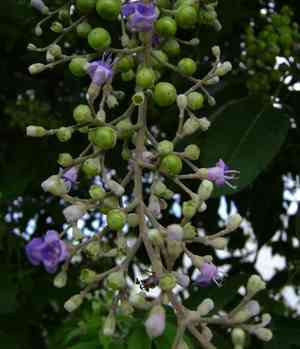
Simpleleaf chastetree flourishes when reproduced via cuttings. Begin by choosing robust, non-blooming stems to enhance the likelihood of success. Sever several inches from the apex, making sure a few leaves remain. Submerge the severed end into rooting compound to stimulate root formation, then embed it in a well-draining, damp substrate. Root emergence is generally swift, facilitating faster establishment.
Optimal Period for Simpleleaf Chastetree Propagation
Propagation Method
Cutting
Propagation Period
Autumn,Winter
Tools Required for Simpleleaf Chastetree Propagation
Sharp Pruning Shears
These are crucial for making clean, healthy cuts from simpleleaf chastetree for propagation. Their sharp blades ensure precise cuts, minimizing harm to the parent plant and increasing the likelihood of successful rooting in the cuttings.
Rooting Hormone Powder or Gel
This substance aids in stimulating root development from simpleleaf chastetree cuttings. Dipping the cut end of the cutting into the hormone promotes the growth of new roots, which is vital for successful plant establishment.
Sterile Potting Mix
A well-draining, sterile potting mix offers an ideal environment for simpleleaf chastetree cuttings to root. The mix's sterility prevents pathogens from harming new plants, while good drainage avoids waterlogging, which can lead to rot.
Propagation Trays with Domes
Propagation trays paired with clear plastic domes create a miniature greenhouse effect, maintaining high humidity and a stable temperature around simpleleaf chastetree cuttings. This environment is beneficial for root formation.
Heating Mats
These mats are placed beneath propagation trays to maintain a consistent, ideal soil temperature, which boosts the rooting process for simpleleaf chastetree. They are especially useful in colder climates or during cooler seasons.
Misting Bottle
A misting bottle is used to gently water the cuttings without disturbing them. Frequent misting keeps humidity levels high, which is essential for the leaf and stem health of simpleleaf chastetree during the rooting phase.
How to Propagate Simpleleaf Chastetree?
Propagation Type
Moderately Difficult
Post-Propagation Care for Simpleleaf Chastetree
How to Care for Your Newly Propagated Simpleleaf Chastetree?
Once roots have formed and new growth is visible, gradually introduce simpleleaf chastetree to more direct sunlight. Water simpleleaf chastetree when the top inch of soil feels dry, ensuring proper drainage to prevent root rot. Fertilize during the active growth period with a balanced, slow-release fertilizer. Prune annually to maintain a healthy shape and encourage branching, making simpleleaf chastetree more robust and aesthetically pleasing.
Common Errors to Avoid When Propagating Simpleleaf Chastetree
Incorrect cutting size
Cuttings that are either too short or too long may struggle to develop a strong root system. Insufficient root tissue can lead to poor nutrient absorption and susceptibility to drying out, while excessively long cuttings are more prone to rot.
Excessive watering
Too much water can deprive simpleleaf chastetree roots of oxygen, leading to root rot. This condition hinders the plant's ability to absorb essential nutrients and water, stunting growth or potentially killing the young plants.
Neglecting cutting pre-treatment
Skipping the step of treating cuttings with rooting hormones or proper wound care can significantly reduce the success rate of rooting. These treatments help stimulate root growth and protect against infections.
Tips For Propagating Simpleleaf Chastetree
Correct cutting techniques
Ensure cuttings are taken with a sharp, clean tool to avoid crushing or damaging plant tissue. Cuttings should be approximately 4-6 inches long with several leaves remaining at the top, while lower leaves are removed to expose nodes.
Moderate watering
Maintain a balanced soil moisture by providing gentle, consistent irrigation. Allow the soil to dry slightly between waterings to promote healthy root growth without causing waterlogging.
Application of rooting hormone
Applying a rooting hormone to the base of the cutting can significantly improve the chances of successful rooting by encouraging faster root development and offering some protection against fungal infections.



