How to Transplant Shea butter?
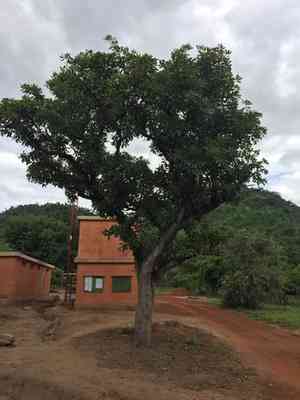
Shea butter flourishes when relocated from late summer through mid-autumn, benefiting from moderate temperatures and ample precipitation. Select a bright spot with soil that drains effectively to foster robust root development.
What Preparations are Needed Before Relocating Shea Butter?
What is the Ideal Time for Relocating Shea Butter?
The best period for moving shea butter is from late summer to mid-autumn. This timeframe allows the plant to establish its root system before winter dormancy, promoting better resilience and development. Relocating shea butter during this window minimizes plant stress and maximizes nutrient absorption, leading to healthier growth.
How Much Space Should You Leave Between Shea Butter Plants?
For successful development, ensure each shea butter tree is spaced approximately 26-33 feet (8-10 meters) apart. This provides ample room for expansion and sufficient access to sunlight and nutrients.
What is the Best Soil Mix for Shea Butter Relocation?
Utilize well-draining, loamy soil enriched with organic compost. Incorporating a phosphorus-rich base fertilizer will give shea butter a strong start. Aim for a soil pH between 6.0-6.5.
Where Should You Relocate Your Shea Butter?
Shea butter thrives in full sunlight. Locate a garden spot that receives at least 6-8 hours of direct sun daily. This ensures robust growth and maximum productivity.
What Equipment Should You Prepare Before Relocating Shea Butter?
Gardening Gloves
To safeguard your hands while handling soil and the plant.
Shovel or Spade
For excavating the planting hole and extracting the plant from its initial spot.
Watering Can
To moisten the soil before and after the relocation process.
Garden Fork
To assist in loosening the soil around the plant's root system.
Pruning Shears
To trim any damaged or excessively long roots and branches.
Tarp or Wheelbarrow
To move the plant if its root ball is substantial.
How Do You Remove Shea Butter from the Soil?
How Do You Remove Shea Butter from the Soil?
From Ground: First, irrigate the area around the shea butter to moisten the soil. Next, dig a wide trench around the plant using a shovel or spade, ensuring the plant's root ball remains intact. Carefully, to avoid root damage, work the spade beneath the root ball to lift the plant from its original position.From Pot: Water the shea butter thoroughly to loosen the soil. Gently turn the pot on its side and tap the base to release the root ball. If the plant is stuck, use a garden fork to carefully dislodge it by working around the edges.From Seedling Tray: Water the seedlings to facilitate removal. Gently press the bottom of the cells to release the root balls. If needed, use a small tool like a pencil to carefully pry the seedlings out.
Step-by-Step Guide for Relocating Shea Butter
Site Preparation
Choose an appropriate location for your shea butter based on previously discussed criteria. Prepare the soil by breaking it up and removing any weeds or debris.
Digging the Hole
Excavate a hole approximately twice the width and the same depth as the root ball of your shea butter plant. This allows the roots to spread comfortably.
Prepare the Plant
Gently untangle the roots of the shea butter if they are tightly bound. Trim any damaged or excessively long roots using pruning shears.
Placing the Plant
Carefully position the shea butter into the prepared hole, ensuring it sits at the same depth as it was in its original location. Backfill the hole with soil, gently firming it around the roots.
Watering
Thoroughly water the newly relocated shea butter to help settle the soil and eliminate any air pockets. Ensure the soil is uniformly moist but not waterlogged.
Mulching
Apply a layer of mulch around the base of the shea butter to help retain soil moisture and suppress weeds. Keep the mulch a few inches away from the trunk to prevent rot.
How Do You Care For Shea Butter After Relocation?
Watering
Keep the soil around the shea butter consistently moist, but not saturated, for the initial few weeks after relocation to aid in strong root establishment.
Monitoring
Observe the plant for any indications of stress, such as wilting or yellowing leaves. Address any issues promptly by adjusting irrigation or ensuring the plant is not exposed to temperature extremes.
Support
If necessary, provide support like staking to help the shea butter remain upright, especially in windy conditions. Use soft ties to avoid stem damage.
Pruning
Lightly prune the shea butter to remove any damaged or dead branches, which can reduce stress and encourage healthy growth.
Troubleshooting Common Issues with Shea Butter Relocation.
When is the best time to relocate shea butter?
Late summer to mid-fall is ideal for relocating shea butter, as the weather is mild.
How far should shea butter plants be spaced?
Maintain an 8-10 meter (26-33 feet) spacing between shea butter plants for optimal growth.
What should I look for in the soil when relocating shea butter?
Choose loamy, well-draining soil with good organic content for relocating shea butter.
How deep should I plant shea butter seedlings?
Plant shea butter seedlings at the same depth they were in their original location.
How to handle shea butter roots while relocating?
Handle shea butter roots gently to avoid damage, ensuring they stay intact and undisturbed.
Should I water shea butter immediately after relocating?
Yes, water shea butter thoroughly after relocating to settle the soil around the roots.
What kind of mulch should I use for shea butter?
Use organic mulch, such as straw or wood chips, to keep the soil moist and cool.
How should I protect shea butter from relocation shock?
Minimize root disturbance and keep shea butter well-watered to reduce the risk of relocation shock.
How long should shea butter be watered after relocating?
Water shea butter regularly for the first few months to support root establishment.
What sunlight conditions are best for shea butter after relocating?
Ensure shea butter receives full sun for optimal growth and development after relocating.



