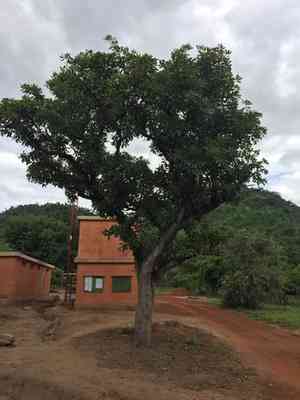
Shea butter (Vitellaria paradoxa)
Also known as: Bambuk butter tree
The shea butter tree, a key species in savanna regions, offers numerous benefits through its various parts:
1. **Seeds**: Processed to extract shea butter, which is utilized in cooking, baking, skincare products, soaps, candles, and cosmetics.
2. **Bark**: Yields a latex substance used in making chewing gum and adhesives.
3. **Fruits**: Eaten locally and serve as a significant food source for people in savanna areas.
4. **Flowers**: Also consumed by locals, providing essential nutrients.
These versatile uses underscore the shea butter tree's importance in its native habitat.
In This Article
Attributes of Shea butter
Lifespan
Perennial
Plant Type
Tree
Plant Height
7 m to 25 m
Spread
15 m
Leaf Color
Green
Flower Size
Small, around 1 cm (0.4 inches)
Flower Color
White
Images of Shea butter
Quickly Identify Shea butter
1
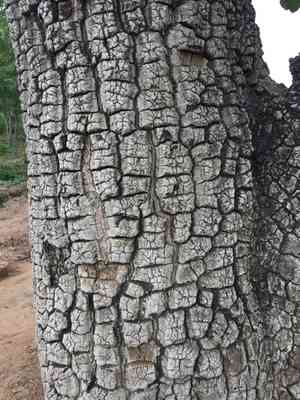
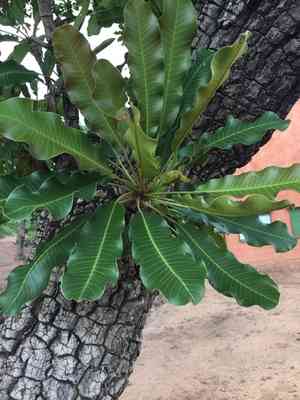
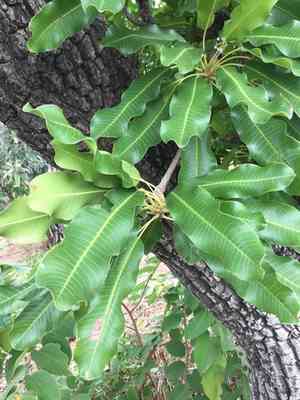
To identify Vitellaria paradoxa, look for a gnarled tree with thick, bark, compound leaves with 6-18 leaflets, and creamy white flowers. The fruit is green and contains a single nut rich in fat.
Scientific Classification of Shea butter
Phylum
Vascular plants
Class
Dicotyledons
Order
Ericales
Family
Sapodilla
Genus
Vitellaria
Species
Shea butter
Planting and Growing of Shea butter
Care Difficulty
Hard
Watering Schedule
Every 2 days
Sunlight Requirements
Full sun
Sunshine Duration
6-10 hours
Ideal Temperature
77-95℉
Soil Type
Potting Mix, Peat Mix
Soil pH
6.5-7.5
Fertilizer Type
Balanced
Pruning Season
Spring, Summer
Pruning Area
Branches, Leaves
Pruning Frequency
2 times a year
Repotting Season
Spring
Pot Type
Plastic, Ceramic
 How to Water Shea butter?
Vitellaria paradoxa, commonly known as the shea tree, thrives best when watered moderately. Aim to provide around 750 ml of water per session. This amount ensures that water reaches the deeper roots, promoting a healthy growth. Avoid over-saturation to prevent root rot, letting excess water drain away naturally.
What are the symptoms of an underwatered Shea butter?
›
What should I do if my Shea butter is not getting enough water?
›
What are the symptoms of an overwatered Shea butter?
›
How to save an overwatered Shea butter?
›
 What Are the Sunlight Requirements for Shea butter?
Vitellaria paradoxa ideal light includes full sun for robust growth and fruit production. Adequate sunlight enhances its photosynthetic capability and vitality.
What is the best lighting for Vitellaria paradoxa?
›
How can I achieve the best lighting conditions?
›
What benefits arise from ideal lighting conditions?
›
 What Is the Ideal Temperature Range for Shea butter?
Vitellaria paradoxa, commonly known as shea tree, thrives in warm climates. The ideal temperature range for this plant is between 77°F and 95°F. These temperatures provide optimal conditions for photosynthesis and growth, enabling the shea tree to produce its characteristic fruits. Maintaining this temperature range ensures healthy leaf development and maximizes oil production, which is highly valued.
 What Soil is Best for Shea butter?
Vitellaria paradoxa thrives best in well-draining soils that prevent waterlogging, which can suffocate roots and promote root rot. This condition mimics its natural habitat, ensuring the roots remain aerated and healthy. The plant requires a soil mix rich in nutrients to support its growth and fruit production. The adequate nutrient supply facilitates robust vegetative and reproductive growth, leading to healthier, more productive trees. Maintaining moderate soil moisture is crucial as excessive dryness or wetness can stress the plant. Consistent moisture levels ensure that the tree remains hydrated during dry spells while avoiding water stress during floods.
 How to Fertilize Shea butter?
For Vitellaria paradoxa, nutrients should be supplied judiciously. Apply liquid fertilizers at a dilution rate of 1:8 monthly, and use 50 grams of slow-release granules per plant annually in a well-distributed manner around the root zone.
 How to Prune Shea butter?
Prune your Vitellaria paradoxa during non-fruiting periods, ideally in Spring or Autumn. This timing helps the plant to recover before the stress of bearing fruits, ensuring optimal productivity. Ensure not to over-prune, as this can cause undue stress to the tree. Aim to remove less than a third of the foliage at any given time. Regular inspections and minor adjustments throughout the growing season can also keep the tree healthy and balanced.
More About Pruning Techniques→
 How to Propagate Shea butter plant?
1
Collect seeds from fully matured Vitellaria paradoxa fruits. Clean the seeds thoroughly to remove pulp and debris. To enhance germination rates, consider scarifying the seeds lightly to break dormancy.
2
Fill seed trays with a suitable potting mix and moisten it evenly. Sow the seeds on the surface and lightly cover them with the mix. Ensure the seeds are spaced evenly to prevent overcrowding and facilitate healthy growth.
3
Place the seed trays in a warm and humid environment, ideally where they receive indirect sunlight. Regularly monitor soil moisture and temperature, ensuring the conditions are favorable for germination and early growth.
 How to Repot Shea butter plant?
1
Recognizing signs that Vitellaria paradoxa needs repotting includes roots emerging from drainage holes, slower growth rate, and the plant appearing top-heavy. It's best to repot during its active growth phase, typically in the warmer months of spring or summer.
2
Select a pot that's slightly larger than your current one to allow for root expansion. A pot that's too large can hold excess moisture, increasing the risk of root rot. Ensure it has adequate drainage holes for optimal water management.
3
Opt for a well-drained, nutrient-rich soil mix to ensure healthy growth. This type of soil prevents waterlogging and supplies adequate nutrients, creating an optimal environment for root development and overall vitality.
Learn More About Shea butter Diseases
Anthracnose
Bacterial Leaf Spot
Bacterial Soft Rot
Bacterial Wilt
Black Spot
Chemical Injury
Crown Gall
Damping-off
Downy Mildew
Drought Stress
Fusarium Wilt
Gray Mold
Leaf Curl
Leaf Spot
Mosaic
Nutrient Deficiency
Nutrient Toxicity
Powdery Mildew
Root Rot
Root-knot Nematode
Rusts
Sooty Mold
Spider Mites
Temperature Stress
Thrips Damage
White Mold



