How to Prune Shea butter?
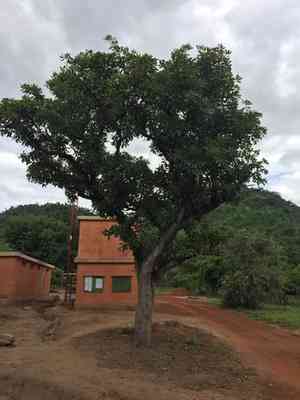
Shea butter, recognized for its thick, fruitful crown, requires trimming in late winter or early spring to sculpt its development and improve air circulation. Prioritize the elimination of lifeless or ailing limbs and reduce crowded sections to avert fungal ailments. Strategic pruning fosters more robust fruit yield and preserves the tree's framework. Always employ sanitized implements to lessen the chance of pathogen spread. These methods are crucial for ensuring peak well-being and output for shea butter.
What Are the Benefits of Pruning Shea Butter?
What Are the Benefits of Pruning Shea Butter?
Pruning benefits shea butter by promoting vigorous development and helping to maintain its desired form. Regular trimming also enhances air circulation, decreases pest and disease occurrences, and boosts overall plant vitality, leading to improved blooming and fruiting.
What Is the Best Time for Pruning Shea Butter?
What Is the Best Time for Pruning Shea Butter?
Trimming in early spring or late winter is ideal because shea butter is dormant then, reducing plant stress. This period also allows cuts to heal before the active growth season, minimizing disease risk and improving overall health. Pruning before new growth ensures the plant directs energy to robust new growth and potentially increases flowering or fruiting success in the coming season.
What Tools Do I Need to Prune Shea Butter?
Hand Pruners
Hand pruners are perfect for cutting small branches and twigs, common on shea butter. They provide precise cuts essential for maintaining the plant's health.
Loppers
Loppers are crucial for cutting thicker branches that hand pruners cannot manage. They offer greater leverage, simplifying the pruning of larger branches on shea butter.
Pruning Saw
A pruning saw is very effective for cutting through larger, thicker branches typically found on mature shea butter plants. It ensures clean cuts without harming the plant.
Pole Pruner
Pole pruners enable gardeners to reach higher branches without a ladder, which is especially useful given the potential height of shea butter.
Hedge Shears
Hedge shears are useful for shaping and trimming smaller branches to maintain the desired form and encourage healthy growth in shea butter.
Bypass Pruners
Bypass pruners are preferred for clean cuts on live branches. Their scissor-like action causes minimal damage, making them a primary tool for pruning shea butter.
How to Prune Shea Butter
Inspecting
Start by thoroughly examining shea butter for any dead or diseased branches. Note the areas needing pruning to ensure all problematic sections are addressed.
Tools
Utilize clean, sharp pruning tools like pruners or loppers. Ensure tools are disinfected before and after pruning to prevent disease spread.
Remove Dead Branches
Begin by cutting away dead branches from shea butter. Make clean cuts close to the main stem or healthy branches, avoiding jagged edges that can invite infection.
Remove Diseased Branches
Carefully trim diseased branches, cutting well below affected areas to prevent disease spread. Dispose of these branches by burning or sealing them in bags to avoid contamination.
Cleanup
Conclude by clearing fallen debris around shea butter. This helps prevent potential disease from lingering near the plant and fosters a healthy growing environment.
Common Pruning Mistakes with Shea Butter
Too much pruning
Over-pruning can stress shea butter, leading to reduced growth and flowering. It's crucial to avoid removing more than one-third of the plant at any time.
Incorrect technique
Using dull or unclean tools can result in ragged cuts prone to infection. Always use sharp, sterilized pruning shears.
Pruning at the wrong time
Despite not mentioning specific seasons, consider the plant's growth cycle. Pruning during active growth spurts can traumatize shea butter.
Common Pruning Tips for Shea Butter
Deadheading
Regularly remove spent flowers to encourage new blooms and prevent the plant from expending energy on seed production.
Selective thinning
Remove weak or overcrowded branches by cutting them back to a healthy node. This improves air circulation and light penetration.
Cut angles
Make cuts at a slight angle away from the bud to encourage water runoff and prevent rot. This method helps shea butter maintain healthy growth.
Focus on the canopy
Keep the center of the plant open to sunlight by selectively removing branches. This encourages a robust, productive structure.
Observe and adjust
Regularly inspect shea butter for signs of disease or pest infestation. Promptly remove affected areas to prevent spread and support overall health.



