How to Overwinter Shea butter
1
Shea butter plants are tropical and cannot endure freezing temperatures.
2
Keep indoor temperatures between 18-24°C (65-75°F) in the colder season.
3
Excessive watering can cause root decay, particularly in winter.
Understanding Shea butter's Delicate Nature
Understanding Shea butter's Delicate Nature
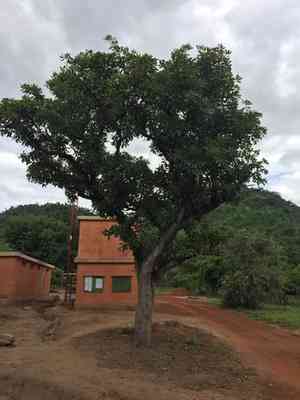
The Shea butter tree (Vitellaria paradoxa) is a tropical species valued for its precious nuts, which are used to create Shea butter. Hailing from the savannah regions of West Africa, this sensitive plant thrives in warm climates, making it susceptible to frost and cold temperatures. When temperatures fall below 10°C (50°F), essential preparations are necessary to safeguard this plant through winter, particularly in non-tropical areas.
How to Prepare Shea butter for Winter Storage
Trimming and Cleaning
To assist your Shea butter tree in moving indoors, start by trimming any dead or damaged branches. This not only encourages healthy development but also makes the plant easier to manage inside. Wiping the leaves with a damp cloth removes dust and improves light absorption, which is vital for indoor survival.
Checking for Pests
Before bringing your Shea butter tree inside, thoroughly check it for pests. Common pests include aphids, mealybugs, and spider mites. Use a mild soap solution or neem oil to address any infestations. Ensuring your plant is pest-free prevents the spread of pests to other indoor plants.
Soil Preparation
The soil should drain well to prevent waterlogged roots, which can rot in a cooler indoor setting. Consider repotting your Shea butter plant in fresh, well-draining soil, and perhaps add a layer of mulch to help retain warmth and moisture.
Indoor Wintering Advice for Shea butter
Selecting the Ideal Spot
Position your Shea butter tree in a brightly lit indoor area, ideally near a south-facing window where it can receive ample sunlight. If natural light is insufficient, supplement it with grow lights to ensure the plant gets the energy it requires.
Temperature and Humidity Management
Maintain indoor temperatures between 18-24°C (65-75°F) to replicate the plantâs natural tropical environment. Shea butter trees also prefer higher humidity levels; using a humidifier or placing a tray of water near the plant can help maintain appropriate humidity.
Watering and Fertilizing
Reduce watering frequency during the winter to prevent root rot. Water only when the top 5-7 cm (2-3 inches) of soil is dry. Fertilization should be minimal, as the plantâs growth rate slows down. Use a balanced, water-soluble fertilizer sparingly.
Common Wintering Issues and Their Solutions
Identifying and Treating Leaf Shedding
A common issue during wintering is leaf shedding, often due to shock or insufficient light. Ensure your plant receives adequate light and avoid sudden temperature changes. If leaf shedding occurs, check for pests and adjust watering practices.
Addressing Fungal Problems
Reduced air circulation indoors can lead to fungal issues such as mildew. Ensure proper ventilation and avoid overhead watering. Treat any fungal infections with a fungicide suitable for houseplants, following the instructions carefully.
Preventing and Managing Pest Outbreaks
Indoor environments can sometimes exacerbate pest problems. Regularly inspect your Shea butter tree for signs of pests and treat immediately. Natural insecticides like neem oil or insecticidal soaps are effective and environmentally friendly.
When and How to Move Shea butter Back Outdoors
Optimal Timing
Timing is crucial when moving your Shea butter back outdoors. Wait until after the last frost has passed and nighttime temperatures remain consistently above 10°C (50°F).
Gradually Acclimating the Plant
Gradually acclimate your plant to outdoor conditions by placing it outside for a few hours each day, increasing the duration over one to two weeks. This hardening-off process helps the plant adjust to temperature and sunlight changes.
Monitoring and Care After Outdoor Placement
Once the Shea butter tree is back outdoors, monitor it closely for signs of stress or pest infestations. Regular watering and occasional fertilization will support its growth, ensuring a healthy transition back to its preferred environment.



