How to Transplant Forest keurboom?
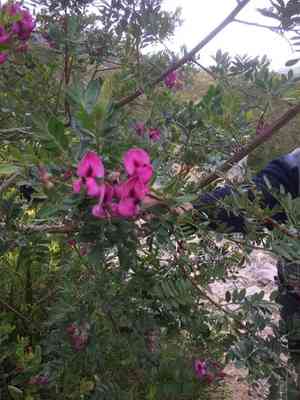
The ideal time for relocating forest keurboom is from the beginning to the end of spring, owing to favorable soil temperature and humidity. Choose a bright, adequately drained spot that offers sufficient protection from powerful gusts for optimal outcomes.
Necessary Preparations Before Relocating Forest Keurboom?
When is the Best Time to Move Forest Keurboom?
The prime period for relocating forest keurboom spans from early to late spring, as the ground begins to warm, facilitating robust root development. Moving it during this window encourages strong growth and minimizes transplant stress, aiding smooth adaptation. This timing leverages its natural growth cycle, leading to a healthier, more resilient plant.
What Distance Should Be Maintained Between Forest Keurboom Plants?
When relocating forest keurboom, ensure a spacing of 10-15 feet (3-4.5 meters) between them to provide ample room for development and optimal air circulation.
What is the Optimal Soil Blend for Forest Keurboom Relocation?
Prepare the soil by ensuring it drains well and is rich in organic material. Incorporate compost or a balanced, slow-release fertilizer to enrich the soil before moving forest keurboom.
Where Should You Replant Your Forest Keurboom?
Select a sunny or partially shaded spot for forest keurboom. They flourish in full sun to partial shade, so aim for an area receiving 4-6 hours of sunlight daily.
What Tools Should You Prepare Before Relocating Forest Keurboom?
Gardening Gloves
To safeguard your hands while handling soil and the plant.
Shovel or Spade
For excavating around and lifting the forest keurboom from its initial spot.
Garden Trowel
For smaller, more precise digging tasks.
Pruning Shears
To trim any damaged or excessively long roots.
Watering Can or Hose
To hydrate the plant before and after its relocation.
Wheelbarrow
To move the plant if it is large or heavy.
Stake and Garden Ties
To support the plant if necessary post-relocation.
How Do You Extract Forest Keurboom from the Ground?
How Do You Extract Forest Keurboom from the Ground?
From Ground: First, moisten the soil around the forest keurboom plant. Then, dig a wide trench around the plant using a shovel or spade, ensuring the plant's root ball remains intact. Carefully work the spade beneath the root ball to lift the plant from its original position.From Pot: Gently tip the pot on its side and slide out the forest keurboom plant. If it resists, tap the pot's sides to loosen the soil or water it lightly. Carefully remove the plant, taking care not to break the roots.From Seedling Tray: Use a garden trowel to gently lift the forest keurboom seedling from the tray, ensuring the root ball stays intact. Handle the seedling by its leaves to prevent damage to the stem or roots.
Step-by-Step Guide for Relocating Forest Keurboom
Location Selection
Choose a spot with adequate sunlight and room for your forest keurboom plant to reach its mature size.
Preparing the Planting Hole
Dig a hole that is twice as wide and slightly deeper than the forest keurboom's root ball.
Amending the Soil
If needed, blend organic compost with the excavated soil to enhance fertility and drainage.
Transferring the Plant
Position the forest keurboom in the hole, ensuring the top of the root ball is level with the ground. Backfill the hole with the soil mixture, gently firming it around the roots.
Watering
Thoroughly water the forest keurboom after planting to settle the soil around its roots.
Adding Mulch
Apply a layer of mulch around the plant's base to retain moisture and regulate soil temperature.
How Do You Care For Forest Keurboom After Relocation?
Watering
Keep the soil around the forest keurboom consistently moist, but not waterlogged, for the initial weeks after relocation to aid in strong root establishment.
Staking
If the forest keurboom is tall or top-heavy, use stakes and garden ties to provide support as it adjusts to its new environment.
Monitoring
Regularly inspect the forest keurboom for signs of distress, such as wilting or yellowing leaves, and adjust care as necessary.
Weeding
Keep the area around the forest keurboom clear of weeds to minimize competition for nutrients and water.
Troubleshooting Common Issues with Forest Keurboom Relocation.
What's the best time to relocate forest keurboom?
Relocate forest keurboom from early spring to late spring for optimal growth and establishment.
How far apart should I space forest keurboom?
Space forest keurboom 10-15 feet (3-4.5 meters) apart to ensure adequate room for growth.
How do I prepare the soil for relocating forest keurboom?
Loosen the soil and mix in compost to improve drainage and nutrient content before planting.
How deep should the planting hole be for forest keurboom?
Dig a hole twice as wide and as deep as the root ball of forest keurboom.
How often should I water forest keurboom after relocating?
Water forest keurboom thoroughly immediately after relocating and keep the soil moist but not waterlogged.
Should I add mulch around forest keurboom after relocating?
Yes, apply a 2-3 inch (5-7.5 cm) layer of mulch to retain moisture and regulate temperature.
What if the leaves of forest keurboom turn yellow after relocating?
Yellow leaves can indicate transplant shock; keep the soil consistently moist and provide some shade.
How can I reduce transplant shock for forest keurboom?
Water deeply before and after relocating, and minimize root disturbance during the process.
How can I support forest keurboom if it's windy after relocating?
Use stakes to support forest keurboom against strong winds, but remove them once it's established.
What is the ideal weather for relocating forest keurboom?
Choose a calm, overcast day to relocate forest keurboom, avoiding extremely hot or cold conditions.



