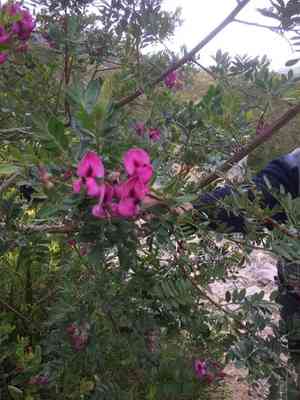
Forest keurboom (Virgilia divaricata)
Also known as: Cape Lilac, Tree-in-a-hurry
The forest keurboom (Virgilia divaricata) is a deciduous tree with a rounded crown and feathery, compound leaves. During spring, it showcases clusters of fragrant, pink to purple flowers that attract numerous pollinators, enhancing its aesthetic and ecological value. This resilient species prefers well-drained soils and sunny conditions.
Ecologically, the forest keurboom is significant as a nitrogen-fixing tree, which improves soil fertility. It also offers food and habitat for local wildlife, thereby supporting biodiversity and contributing positively to its ecosystem.
In This Article
Attributes of Forest keurboom
Lifespan
Perennial
Plant Type
Tree
Plant Height
15-25 meters
Spread
5-7 meters
Leaf Color
Bright green
Flower Size
1.5-2.5 centimeters
Flower Color
Pink to purple
Images of Forest keurboom
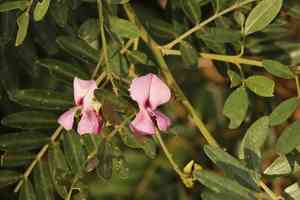
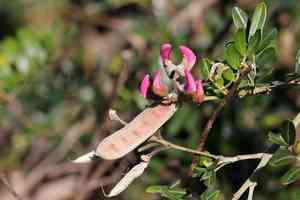
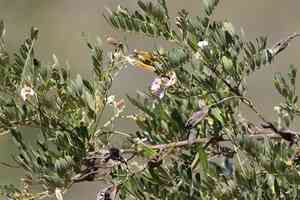
Quickly Identify Forest keurboom
1
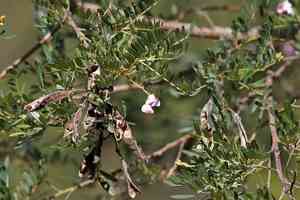
This tree can be identified by its bright green, compound leaves and clusters of pink to purple, pea-like flowers. The bark is smooth and grey, and it produces flat, leathery pods.
Scientific Classification of Forest keurboom
Phylum
Vascular plants
Class
Dicotyledons
Order
Fabales
Family
Legume
Genus
Virgilia
Species
Forest keurboom
Planting and Growing of Forest keurboom
Care Difficulty
Easy
Watering Schedule
Every 2 days
Sunlight Requirements
Full sun
Sunshine Duration
6-8 hours
Ideal Temperature
60-75℉
Soil Type
Potting Mix, Peat Mix
Soil pH
6.5-7.5
Fertilizer Type
Balanced
Pruning Season
Spring, Summer
Pruning Area
Branches, Leaves
Pruning Frequency
2 times a year
Repotting Season
Spring
Pot Type
Plastic, Terracotta
 How to Water Forest keurboom?
Virgilia divaricata prefers its soil to be consistently moist but not waterlogged. Each time you water, ensure that 500 milliliters of water is applied to the potting medium, allowing it to seep through to the roots without leaving excess water in the saucer below. It is crucial to create a balance where the soil retains moisture but allows for adequate drainage.
What are the symptoms of an underwatered Forest keurboom?
›
What should I do if my Forest keurboom is not getting enough water?
›
What are the symptoms of an overwatered Forest keurboom?
›
How to save an overwatered Forest keurboom?
›
 What Are the Sunlight Requirements for Forest keurboom?
Virgilia divaricata ideally enjoys a range from full sun to partial sun, benefiting from 6 to 8 hours of sunlight. Proper lighting encourages robust growth, vibrant leaves, and abundant blooming.
What is the ideal lighting condition for Virgilia divaricata?
›
What solutions are recommended to achieve these ideal lighting conditions?
›
What are the benefits of achieving ideal lighting conditions for Virgilia divaricata?
›
 What Is the Ideal Temperature Range for Forest keurboom?
The ideal temperature range for Virgilia divaricata is between 60 and 75 degrees Fahrenheit. At this range, the plant is able to thrive and exhibit optimal growth, as these temperatures closely mimic its native climate.
 What Soil is Best for Forest keurboom?
Virgilia divaricata thrives best in well-drained soil conditions that prevent waterlogging. Proper drainage ensures that the roots get adequate air, reducing the risk of root rot and promoting healthy growth. This plant prospers when planted in nutrient-rich soil, which supports vibrant foliage and robust blooming. Nutrient availability is key to its overall health and resilience against diseases. Virgilia divaricata prefers soil that retains moderate moisture without becoming overly saturated. Such conditions mimic its natural habitat, fostering sustained plant vigor.
 How to Fertilize Forest keurboom?
Virgilia divaricata requires careful consideration of fertilizer amounts. Typically, for liquid fertilizers, a mild concentration of 0.5 grams per liter is recommended, applied monthly. For slow-release fertilizers, use approximately 50 grams per application, ensuring even distribution around the root zone.
 How to Prune Forest keurboom?
Begin by examining the tree for any dead or damaged branches. These should be pruned first as they can harbor pests and diseases. Cutting them back to the healthy wood will promote robust growth. After removing the deadwood, focus on shaping the tree. Prune back any branches that disrupt the desired shape or grow towards the center, as they can cause overcrowding and impede air circulation. To ensure proper air circulation and light penetration, selectively thin out some of the interior branches. This step helps reduce the risk of fungal issues and results in a stronger overall plant structure.
More About Pruning Techniques→
 How to Propagate Forest keurboom plant?
1
Collect ripe seeds from Virgilia divaricata pods. Clean them thoroughly to remove any pulp, and let them dry completely to prepare for sowing.
2
Fill the seed tray with a well-draining potting mix. Sow the seeds on the surface and lightly cover them with a thin layer of the mix to encourage germination.
3
Select healthy, semi-hardwood stems and cut sections about 4 inches long. Trim the cutting just below a node to promote root development.
 How to Repot Forest keurboom plant?
1
Virgilia divaricata should be repotted when you notice that the roots are tightly bound or growing out of the drainage holes. Other signals include the plant appearing unhealthy or showing slowed growth despite proper care. The best time is during the spring or early summer when the plant is actively growing, allowing it to recover quickly.
2
Select a pot that is one to two inches larger in diameter than the current pot. Ensure it has drainage holes to prevent waterlogging, which is crucial because too much moisture can lead to root rot for this plant. A terracotta pot is an excellent option as it allows for better airflow.
3
Opt for a well-draining sandy loam soil to allow for the proper flow of air and moisture. This type of soil prevents root rot and provides adequate nutrients for optimal plant growth. Incorporating some organic matter could also improve soil fertility and structure.
Learn More About Forest keurboom Diseases
Anthracnose
Bacterial Leaf Spot
Bacterial Wilt
Crown Gall
Cyst Nematode
Damping-off
Downy Mildew
Drought Stress
Fusarium Wilt
Gray Mold
Leaf Curl
Leaf Spot
Mosaic
Nutrient Deficiency
Nutrient Toxicity
Powdery Mildew
Root Rot
Root-knot Nematode
Rusts
Sooty Mold
Spider Mites
Temperature Stress
Thrips Damage
White Mold



