How to Prune Forest keurboom?
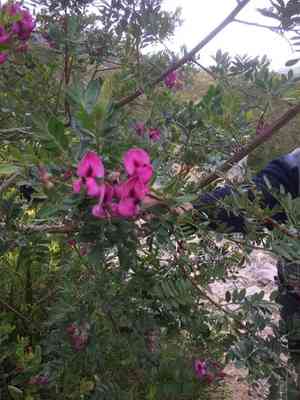
Forest keurboom is a beautiful, rapidly developing tree recognized for its abundant leaves and aromatic flowers. To ensure peak vitality, trim in late winter or early spring to stimulate robust development and blossoming. Eliminate any lifeless or ailing branches, and thin out dense sections to enhance air movement. Form young trees by shortening the primary stalks to preserve a symmetrical framework. Regular trimming aids in controlling its dimensions and averting frail or elongated growth, guaranteeing a sturdy and visually appealing specimen.
What Are the Benefits of Pruning Forest Keurboom?
What Are the Benefits of Pruning Forest Keurboom?
Trimming forest keurboom encourages robust development and preserves its form. It improves air circulation, lowering the chance of pests and illnesses. Regular trimming fosters more abundant blooms and a healthier overall look. Proper trimming is crucial for optimal growth and visual appeal.
What Is the Best Time for Pruning Forest Keurboom?
What Is the Best Time for Pruning Forest Keurboom?
Trimming forest keurboom in early spring or late winter is ideal as it aligns with its dormant phase just before new growth begins. During this period, the plant is less likely to suffer stress or excessive sap bleeding. Pruning at these times promotes vigorous new growth and improved flowering, as the plant will have ample recovery time before its active growing and blooming seasons. Furthermore, disease and pest infestations are minimized when pruning in colder temperatures. Adhering to these guidelines ensures forest keurboom remains robust and maintains its attractive shape.
What Tools Do I Need to Prune Forest Keurboom?
Bypass Pruners
Perfect for making clean cuts on live stems and branches without crushing plant tissue, ensuring healthy regrowth for forest keurboom.
Loppers
Useful for cutting thicker branches too large for bypass pruners but manageable without a saw, typically branches up to 2 inches in diameter.
Pruning Saw
Essential for cutting through larger, more mature branches exceeding lopper capacity, ensuring clean cuts to prevent damage to forest keurboom.
Pole Pruner
Allows for trimming higher branches without a ladder, effectively maintaining the shape and health of forest keurboom.
Gloves
Protects hands from thorns, sharp branches, and potential irritants while trimming forest keurboom.
How to Prune Forest Keurboom
Assessment
Start by thoroughly inspecting forest keurboom to identify any dead or diseased branches. This evaluation will help determine the extent of trimming needed.
Removal dead branches
Use clean, sharp pruning shears to remove dead branches. Cut back to healthy wood, ensuring precise cuts to minimize damage and prevent disease entry.
Removal diseased branches
Trim away diseased branches by cutting at least 6 inches into healthy wood beyond the infected area. Dispose of the diseased material properly to avoid contamination.
Examine structure
After removing dead and diseased parts, assess the plant's overall structure. Look for branches that may be crossing or rubbing against each other and consider removing these to enhance air circulation.
Cleanup
Clear away all fallen debris and trimmed branches. This not only helps maintain garden aesthetics but also prevents the spread of disease.
Common Pruning Mistakes with Forest Keurboom
Improper Technique
Using dull or unsterilized tools can harm the plant and introduce diseases. Ensure you use sharp, clean pruners for precise cuts to promote quicker healing.
Pruning Too Much
Excessive trimming can stress forest keurboom and reduce its flowering capacity. Over-pruning can also lead to sparse foliage and a weakened structure.
Incorrect Timing (Season)
Trimming at the wrong time of year can disrupt the blooming cycle and expose the plant to potential frost damage. Be aware of the optimal season for pruning but avoid trimming in extreme weather conditions.
Removing Too Many Old Shoots
Old shoots contribute to the overall health and support of forest keurboom. Removing too many can compromise structural integrity and hinder regeneration.
Common Pruning Tips for Forest Keurboom
Clean Tools
Always sanitize your pruning tools before and after use to prevent the spread of diseases.
Focus on Shape
Forest keurboom benefits from being trimmed to maintain a balanced and visually appealing shape. Aim to remove dead, diseased, or crossing branches while preserving natural growth patterns.
Encourage New Growth
To stimulate new growth, cut back to a healthy bud or lateral branch. This encourages the plant to produce more vigorous shoots.
Moderate Pruning
Perform light to moderate trimming rather than heavy pruning. This approach helps maintain the plant's health and vigor while allowing it to flower abundantly.
Remove Weak Growth
Trim weak or spindly growth to concentrate the plant's energy on stronger branches. This will enhance its overall strength and resilience.



