How to Transplant Pyrenean vetch?
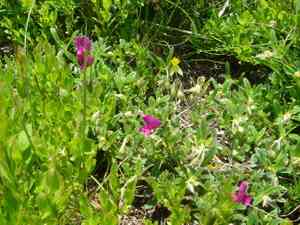
For optimal outcomes, transplant pyrenean vetch from early to late spring, fostering vigorous development. Select a location offering dappled sunlight and damp, well-drained earth, replicating pyrenean vetch's indigenous alpine environments. Careful manipulation is crucial to safeguard its fragile root system.
Essential Preparations Before Moving Pyrenean Vetch
Optimal Timing for Relocating Pyrenean Vetch
The perfect time to move pyrenean vetch is from early spring to its peak, once the threat of frost has passed. This period allows pyrenean vetch ample time to develop strong roots before the summer heat arrives. Transplanting during these mild, progressively warmer months maximizes pyrenean vetch's chances of flourishing, as the soil begins to awaken from winter. Choose this prime season for a thriving garden sanctuary for pyrenean vetch.
Recommended Spacing Between Pyrenean Vetch Plants
When rehousing your pyrenean vetch, aim for a comfortable yet ample distance. Position them approximately 8-12 inches (20-30 cm) apart. This provides sufficient room for growth without feeling isolated.
Best Soil Blend for Pyrenean Vetch Transplantation
Before pyrenean vetch extends its roots, prepare an inviting bed. A well-draining soil, rich in organic matter, is ideal. Enrich the earth with a balanced, slow-release fertilizer to welcome its arrival.
Choosing a New Location for Your Pyrenean Vetch
Find a sunny to partially shaded spot where pyrenean vetch can enjoy the sun's warmth. A location receiving about 6 hours of gentle sunlight daily will keep them vibrant and healthy.
Tools Required Before Transplanting Pyrenean Vetch
Gardening Gloves
To safeguard your hands while handling soil and plants.
Trowel
For digging small holes and moving seedlings.
Spade or Shovel
To assist in excavating the plant and preparing the new site.
Garden Fork
For loosening and aerating the soil around the root mass.
Pruning Shears
For trimming roots if necessary.
Watering Can
To hydrate the plant before and after its relocation.
Wheelbarrow or Garden Cart
For transporting pyrenean vetch or soil.
Mulch
To cover the soil post-planting, aiding moisture retention and weed suppression.
How to Extract Pyrenean Vetch from the Soil
How to Extract Pyrenean Vetch from the Soil
From Ground: First, water pyrenean vetch to moisten the soil, making excavation easier. Use a garden fork to gently loosen the soil around the root zone, then dig a wide, shallow trench around the plant with a spade. Carefully lift the root ball from the ground using the spade, preserving as much of the root system as possible.From Pot: Start by watering the potted pyrenean vetch to ensure the root ball is damp. Tilt the pot and gently tap it to loosen the root ball. Carefully slide the plant out, supporting the root ball to prevent damage.From Seedling Tray: Water the tray to keep roots moist. Use a trowel or your fingers to gently loosen the soil around the seedling. Carefully lift the seedling with its surrounding soil to maintain root integrity.
Step-by-Step Guide for Transplanting Pyrenean Vetch
Prepare New Site
Dig a hole in the ground that is twice as wide and as deep as the pyrenean vetch's root ball. Use a garden fork to loosen the soil at the bottom for better root penetration.
Inspect Roots
Gently examine the root ball. Trim any broken or damaged roots with pruning shears. If the plant is root-bound with tightly circling roots, carefully untangle them without excessive force.
Placement
Carefully position pyrenean vetch in the center of the hole. The top of the root ball should be level with or slightly above the surrounding soil surface to allow for settling.
Refill Hole
Backfill the hole with the excavated soil. Gently firm the soil around the plant, removing air pockets by lightly pressing down with your hands.
Water Thoroughly
Immediately after transplanting, water pyrenean vetch generously to settle the soil around the roots and help reduce transplant shock.
Mulching
Apply a layer of mulch around the base of pyrenean vetch, keeping it away from the stem to prevent rot. This will conserve moisture and regulate soil temperature.
Support
If pyrenean vetch is a tall variety or prone to flopping, insert a stake or plant support next to it and gently tie the plant to the stake with garden twine.
Post-Transplant Care for Pyrenean Vetch
Consistent Watering
Maintain consistent soil moisture, especially during the initial growing season after transplanting, to aid root establishment.
Monitoring
Regularly check pyrenean vetch for signs of wilting or stress. Adjust care as needed, and protect from pests and diseases.
Pruning
Remove any dead or damaged growth to encourage healthy new growth and improve air circulation.
Staking
Continue to adjust the support as pyrenean vetch grows, ensuring it's securely staked to withstand winds or heavy growth.
Addressing Common Issues During Pyrenean Vetch Transplantation
How to select the best transplanting time for pyrenean vetch?
Transplant pyrenean vetch in early to late spring, when mild temperatures support root establishment.
What's the ideal spacing for pyrenean vetch when transplanting?
Space pyrenean vetch about 8-12 inches (20-30 cm) apart to ensure adequate room for growth.
Why is my pyrenean vetch wilting after transplanting?
Wilting may be due to transplant shock. Ensure sufficient water and avoid direct sunlight initially.
How deep should I plant pyrenean vetch when transplanting?
Plant pyrenean vetch at the same depth it was growing in its previous container or location.
Can I transplant pyrenean vetch on a hot summer day?
It's best to transplant pyrenean vetch on a cooler, cloudy day to reduce stress on the plant.
Should I fertilize pyrenean vetch right after transplanting?
Wait a few weeks before fertilizing to allow pyrenean vetch to settle and begin to grow.
How much should I water pyrenean vetch after transplanting?
Keep the soil uniformly moist but not soggy to help pyrenean vetch establish its roots.
Is it necessary to prune pyrenean vetch when transplanting?
Pruning isn't usually required, but removing damaged or dead parts can encourage healthy growth.
How can I tell if my pyrenean vetch has transplant shock?
Signs include drooping leaves, yellowing, and halted growth. Provide care and monitor recovery.
Why are the leaves of my pyrenean vetch turning yellow after transplanting?
Yellowing may indicate overwatering or poor drainage. Ensure the soil is well-draining and reduce watering slightly.



