How to Prune Pyrenean vetch?
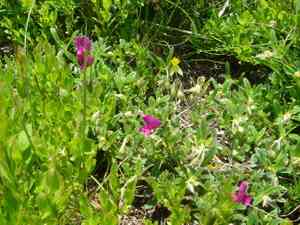
A leguminous plant featuring tendrils, pyrenean vetch exhibits robust growth during the spring and summer seasons. Trim it following the initial flowering to stimulate a subsequent bloom and control its dimensions. The ideal time for trimming is in late spring or early summer, once the danger of frost has subsided and prior to vigorous development. Pruning fosters a denser shape and boosts floral production. Consistent elimination of faded blossoms (deadheading) extends the flowering duration. Sanitize implements to avert the dissemination of pathogens.
What Are the Benefits of Pruning Pyrenean Vetch?
What Are the Benefits of Pruning Pyrenean Vetch?
Trimming pyrenean vetch promotes vigorous development and maintains its structure. This targeted cutting can lead to denser foliage, decreased disease risk, and potentially more abundant blooms, aligning with the plant's natural environmental needs.
What Is the Best Time for Pruning Pyrenean Vetch?
What Is the Best Time for Pruning Pyrenean Vetch?
Pruning pyrenean vetch during spring and early summer is beneficial as it coincides with the start of the plant's active growth period. Post-winter trimming aids in removing dead or damaged parts, thereby encouraging healthier and more robust growth. Additionally, this timing allows for shaping the plant before it reaches its peak vegetative state. Pruning in early summer can also be advantageous for thinning out excessive growth and enhancing air circulation, which is vital for preventing pests and diseases. Furthermore, since pyrenean vetch typically flowers or sets seeds after the spring growth spurt, pruning in these seasons ensures that the plant's energy is directed towards producing strong, new growth rather than maintaining old or unnecessary foliage.
What Tools Do I Need to Prune Pyrenean Vetch?
Bypass Pruners
Perfect for making clean, precise cuts on pyrenean vetch's thinner stems, which is crucial for encouraging healthy regrowth.
Gardening Shears
Useful for trimming and shaping pyrenean vetch as they typically feature a scissor-like design suitable for cutting through soft foliage.
Gloves
Protects the gardener's hands from thorns and plant sap when handling pyrenean vetch, ensuring safety during the pruning process.
How to Prune Pyrenean Vetch
Sterilize tools
Before pruning pyrenean vetch, thoroughly clean and sanitize all pruning tools to prevent the spread of diseases.
Remove diseased leaves
Carefully inspect pyrenean vetch for diseased leaves. Using your sanitized tools, gently trim away any infected or discolored foliage at the base of the leaf stem to prevent further infection.
Eliminate withered leaves
Identify any withered or dead leaves on pyrenean vetch and remove them by cutting at the base of the leaf stem. This allows the plant to focus its energy on new, healthy growth.
Cut diseased stems
Examine pyrenean vetch for any diseased stems. Make clean cuts to remove these stems, cutting back to a healthy section of the plant or to the base if necessary to eliminate all affected areas.
Clean up
Dispose of all removed plant material promptly and away from healthy plants. Clean the ground around pyrenean vetch to prevent any disease from spreading through fallen debris.
Common Pruning Mistakes with Pyrenean Vetch
Overpruning
Removing too much foliage or too many stems at once can stress pyrenean vetch and reduce its vigor, potentially leading to diminished health and fewer flowers.
Improper Technique
Using dull or dirty pruning tools can cause jagged cuts that may invite disease and pest infestations into pyrenean vetch.
Pruning for Shape Only
Focusing solely on the aesthetic form without considering the natural growth pattern of pyrenean vetch can leave the plant weakened and unable to flower optimally.
Neglecting Deadheading
Failing to remove spent blooms may result in reduced flowering, as pyrenean vetch can expend unnecessary energy on seed production.
Ignoring Health and Structure
Not removing diseased, dead, or crossing stems can lead to a lack of air circulation and sun penetration, which is vital for the health of pyrenean vetch.
Pruning Blindly
Randomly cutting without understanding the growth points can lead to unwanted growth direction or shape and can hinder the blooming potential of pyrenean vetch.
Common Pruning Tips for Pyrenean Vetch
Sharp Tools
Always use clean, sharp shears to make precise cuts, which help pyrenean vetch heal faster and reduce the chance of disease.
Selective Pruning
Cut back to just above a leaf node or bud to encourage pyrenean vetch to grow in the desired direction, improving shape and airflow.
Deadheading
Regularly remove spent flowers to channel pyrenean vetch's energy into producing more blooms rather than seeds.
Thinning
Thin out dense areas by removing some stems at the base to enhance sunlight penetration and air circulation, fostering a healthier pyrenean vetch.
Health Check
Examine pyrenean vetch for any signs of disease or pest activity while pruning and remove affected areas promptly to prevent spread.
Gradual Approach
Prune pyrenean vetch incrementally, especially in the case of reshaping or size reduction, to avoid shock and give the plant time to recover.



