The Pyrenean vetch Plant Advantage: Maximizing Home and Office Appeal and Wellness
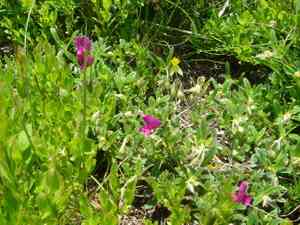
1
Pyrenean vetch is recognized for its ability to fix nitrogen, thereby enhancing soil fertility.
2
It functions as a superb feed source for farm animals, providing significant nutritional benefits.
3
Pyrenean vetch can be utilized as a protective crop to stop soil degradation and boost soil vitality.
Advantages of Cultivating Pyrenean Vetch
Enhancing Soil Quality
A key advantage of Pyrenean vetch is its capacity to fix nitrogen in the soil. Through symbiotic nitrogen-fixing bacteria within its root nodules, it transforms atmospheric nitrogen into a usable form for plants. This natural process enriches the soil, lessening the demand for synthetic fertilizers and fostering healthier plant development. Gardeners can utilize Pyrenean vetch as a green manure, incorporating it into the soil to elevate nitrogen levels.
Preventing Erosion
Pyrenean vetch functions as an effective cover crop; its dense foliage and extensive root system aid in preventing soil erosion. By binding the soil, it safeguards your garden or agricultural land from the damaging effects of wind and water erosion. This protective characteristic ensures nutrients remain in the ground, further supporting robust plant growth.
How Pyrenean Vetch Benefits Livestock
Nutrient-Rich Forage
Farmers can employ Pyrenean vetch as a valuable forage crop for their livestock. Rich in protein and other vital nutrients, it offers a balanced diet for animals, promoting improved health and increased yields. Incorporating Pyrenean vetch into your pasture can elevate the overall quality of your livestock's nutrition.
Supplementary Feed Source
Beyond regular pasture grazing, Pyrenean vetch can be harvested and stored as hay or silage. This additional feed can be vital during winter months or drought periods when fresh pasture is scarce, ensuring consistent nourishment for your livestock.
Why Home Gardeners Should Consider Pyrenean Vetch
Attracting Beneficial Insects
Pyrenean vetch blossoms draw in various beneficial insects, including bees and other pollinators. Planting Pyrenean vetch can help sustain local pollinator populations, leading to improved pollination rates for other plants in your garden. This makes Pyrenean vetch an excellent addition to any pollinator-friendly garden space.
Weed Control
The vigorous growth of Pyrenean vetch can help suppress weeds by outcompeting them for light, water, and nutrients. By establishing a strong presence early in the growing season, Pyrenean vetch can reduce the need for chemical herbicides, making your gardening practices more sustainable and eco-friendly.
Pyrenean Vetch's Role in Sustainable Agriculture
Crop Rotation Benefits
Pyrenean vetch is an excellent choice for crop rotation systems. Following a legume crop like Pyrenean vetch with other crops can help maintain soil fertility and structure. This practice can disrupt pest and disease cycles, reducing the need for chemical inputs and supporting a more sustainable farming approach.
Promoting Biodiversity
Including Pyrenean vetch in your farming or gardening plans fosters biodiversity. Diverse plantings can create a more resilient ecosystem, better equipped to withstand pests, diseases, and environmental stresses. By planting Pyrenean vetch, you contribute to a healthier and more balanced agricultural environment.
Is Pyrenean Vetch Simple to Cultivate?
Ideal Growing Conditions
Pyrenean vetch thrives in well-drained soils with moderate fertility. It prefers full sun to partial shade and can adapt to various soil types, making it a versatile choice for diverse growing environments. Its ability to flourish with minimal care makes it an accessible plant for both new and experienced gardeners.
Low Maintenance Requirements
Once established, Pyrenean vetch demands little upkeep. Regular watering and occasional weeding are typically sufficient to maintain its robust growth. Its natural resistance to pests and diseases further lessens the need for chemical treatments, making it an easy and environmentally friendly addition to your garden or farm.



