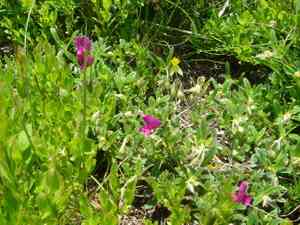
Pyrenean vetch (Vicia pyrenaica)
Also known as: Pyrenean Vetch
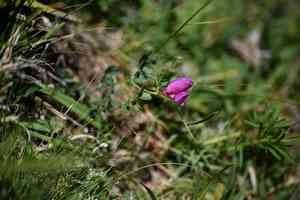
The Pyrenean vetch (Vicia pyrenaica) is valued for its striking, deep red flowers and distinctive spiked leaves. These flowers typically bloom in the summer months, making it the ideal season to observe this species in its natural Mediterranean montane environments. The plant derives its name from the Pyrenees mountain range where it is commonly found.
In This Article
Attributes of Pyrenean vetch
Lifespan
Perennial
Plant Type
Herb
Plant Height
10-30 cm
Spread
Not applicable (herbaceous plant)
Leaf Color
Green
Flower Size
1-2 cm
Flower Color
Purple Pink
Images of Pyrenean vetch
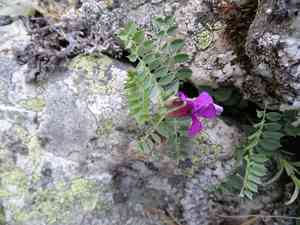
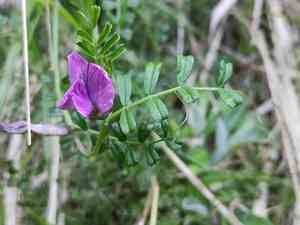
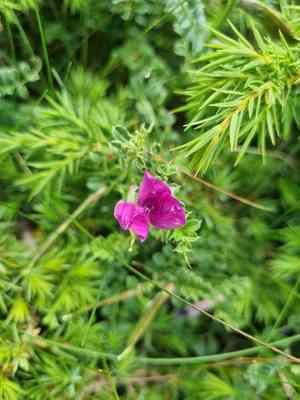
Quickly Identify Pyrenean vetch
1
Look for a climbing or sprawling habit, compound leaves with several pairs of leaflets, and pink to purple pea-like flowers arranged in clusters.
Scientific Classification of Pyrenean vetch
Phylum
Vascular plants
Class
Dicotyledons
Order
Fabales
Family
Legume
Genus
Vetches
Species
Pyrenean vetch
Planting and Growing of Pyrenean vetch
Care Difficulty
Easy
Watering Schedule
Every 2 days
Sunlight Requirements
Partial sun
Sunshine Duration
8-12 hours
Ideal Temperature
60-70℉
Soil Type
Potting Mix, Peat Mix
Soil pH
6.5-7.5
Fertilizer Type
Balanced
Pruning Season
Spring, Summer
Pruning Area
Branches, Leaves
Pruning Frequency
2 times a year
Repotting Season
Spring
Pot Type
Plastic, Ceramic
 How to Water Pyrenean vetch?
For Vicia pyrenaica, maintain the soil moisture without causing waterlogging. The goal is to ensure the soil is damp but not saturated. Watering 250 ml once every two weeks should suffice, ensuring the soil remains moist up to a couple of inches below the surface.
What are the symptoms of an underwatered Pyrenean vetch?
›
What should I do if my Pyrenean vetch is not getting enough water?
›
What are the symptoms of an overwatered Pyrenean vetch?
›
How to save an overwatered Pyrenean vetch?
›
 What Are the Sunlight Requirements for Pyrenean vetch?
Vicia pyrenaica thrives in partial sun, receiving about 4-6 hours of indirect sunlight. This light range fosters optimal photosynthesis, robust growth, and vibrant flowering.
How much sunlight does Vicia pyrenaica need daily?
›
What solutions are available if there's too much sun?
›
What are the benefits of ideal lighting for this plant?
›
 What Is the Ideal Temperature Range for Pyrenean vetch?
The ideal temperature range for the cultivation of Vicia pyrenaica is between 60°F and 70°F. This range ensures optimal metabolic processes and growth rates. Maintaining these temperatures promotes enzyme activity and nutrient uptake efficiency, vital for the health and productivity of the plant.
 What Soil is Best for Pyrenean vetch?
Vicia pyrenaica thrives in well-drained soil that allows water to percolate easily. This prevents waterlogging and root rot, ensuring the plant's robust growth and health. This plant benefits from soil with moderate fertility, where essential nutrients are present but not overwhelming. Adequate nutrients support vibrant growth and flowering. While Vicia pyrenaica prefers well-drained conditions, it also enjoys consistent moisture levels. Ensuring the soil remains moist, but not soggy, allows the plant to access water readily for photosynthesis and growth.
 How to Fertilize Pyrenean vetch?
Vicia pyrenaica benefits from balanced fertilization that is carefully measured. For liquid fertilizer, dilute to half the recommended strength for other legumes, applying about 100ml per plant to avoid excess. Slow-release fertilizers should be used sparingly at 50 grams per square meter, mixed well into the topsoil.
 How to Prune Pyrenean vetch?
Familiarize yourself with the plant’s growth pattern. Vicia pyrenaica produces tendrils that can be trimmed back to maintain the plant’s shape and prevent sprawling. Focus on trimming the lateral shoots to encourage upward growth. This practice will not only maintain its aesthetic appearance but also improve its stability when growing on supports. After pruning, ensure that the plant is adequately watered and mulched to retain moisture. Consider supplementing with a balanced fertilizer to promote robust new growth.
More About Pruning Techniques→
 How to Propagate Pyrenean vetch plant?
1
Gather mature seeds from the plant once the seed pods are dry and brown. Ensure the pods are fully dried before breaking them open to collect the seeds for sowing.
2
Select healthy, disease-free stems of the plant and cut them to a length of 10-15 cm. Remove any leaves from the lower half of the cutting to prevent rot.
3
Plant the seeds in a seed tray filled with well-draining soil. Cover lightly with soil, and water gently. Maintain a consistent moisture level to encourage germination.
 How to Repot Pyrenean vetch plant?
1
Keep an eye on your Vicia pyrenaica's growth. If roots start peeking out from the drainage holes or the plant seems root-bound, it's time to repot. Additionally, if the soil loses its fertility or water drainage is compromised, these are also signals that repotting may be necessary.
2
Select a pot that is only a couple of inches larger in diameter than the current one to prevent over-soiling, which can lead to root rot. Ensure the pot has ample drainage holes to facilitate proper water flow, preventing waterlogging and fostering healthy root growth.
3
Vicia pyrenaica thrives in well-draining loamy soil that mimics its natural habitat. This type of soil retains the necessary moisture while allowing excess water to pass through, preventing root rot and promoting healthy growth by providing adequate aeration around the roots.



