How to Transplant Wright's viburnum?
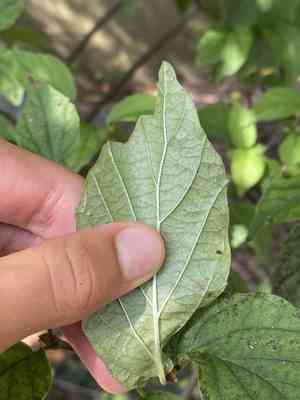
The ideal period for relocating wright's viburnum spans the warm days from early to mid-summer, facilitating strong root development. Choose a location featuring soil that drains effectively and offers partial shade. Supplying sufficient hydration after transplantation is advantageous.
What Preparations are Needed Before Transplanting Wright's Viburnum?
What is the Ideal Time for Transplanting Wright's Viburnum?
The best time to move wright's viburnum is during the peak of its growth cycle, usually from late spring to early summer. Relocating wright's viburnum at this point takes advantage of its active development, helping it settle more effectively in its new spot. Optimal transplanting times promote strong root growth and lessen transplant shock, setting the stage for wright's viburnum to thrive in your garden.
How Much Space Should You Leave Between Wright's Viburnum Plants?
When moving your wright's viburnum, ensure they have ample room to grow. Position them approximately 6 to 12 feet apart, or about 1.8 to 3.7 meters. This spacing allows each plant to reach its full size and ensures proper air circulation.
What is the Best Soil Mix for Wright's Viburnum Transplanting?
For your wright's viburnum, select a site with soil that drains well. If possible, incorporate compost or a balanced, slow-release fertilizer. This nutrient boost will help your wright's viburnum establish and flourish right away!
Where Should You Relocate Your Wright's Viburnum?
Your wright's viburnum enjoys sunlight but also appreciates some shade! Choose a location that provides full to partial sun—around 4 to 6 hours of direct sunlight daily. This will keep your wright's viburnum healthy and content.
What Equipments Should You Prepare Before Transplantation Wright's Viburnum?
Gardening Gloves
To safeguard your hands while handling soil and plants.
Shovel or Spade
For excavating the plant and digging a new hole in the ground.
Pruning Shears
To trim any damaged roots or stems.
Watering Can or Hose
For hydrating the plant before and after its relocation.
Wheelbarrow or Garden Cart
To move the plant and soil.
Tarp or Burlap
To contain soil and protect the root ball during transport.
Measuring Tape
To ensure correct spacing between plants during the transplanting process.
How Do You Remove Wright's Viburnum from the Soil?
How Do You Remove Wright's Viburnum from the Soil?
From Ground: First, water the wright's viburnum to moisten the soil. Next, use a shovel or spade to dig a wide trench around the plant, making sure its root ball stays intact. Carefully work the spade beneath the root ball to lift the plant from its original spot.From Pot: Water the wright's viburnum thoroughly beforehand. Turn the pot on its side, hold the plant by its base, and gently tap the bottom to loosen it. Carefully ease the plant out, supporting the root ball, and avoid pulling directly on the stems.From Seedling Tray: Water the seedlings completely. Use a fork or a small trowel to lift the plant from its cell, ensuring you handle the seedling by its leaves rather than its delicate stem to prevent harm.
Step-by-Step Guide for Transplanting Wright's Viburnum
Preparation
Gather all necessary tools and water the wright's viburnum to ensure moist roots, which makes removal easier and less stressful for the plant.
Root Ball Care
Carefully dig around and under the plant with a shovel or spade, keeping a generous amount of soil around the roots to form a root ball.
Transition
Lift the wright's viburnum with its root ball intact and transfer it to a tarp or wheelbarrow, minimizing damage and simplifying transport to the new location.
Hole Digging
Dig a new hole in the ground about twice as wide and the same depth as the root ball to allow ample space for root expansion.
Placement
Position the wright's viburnum in the center of the new hole at its original growing depth and straighten it, ensuring it stands upright.
Soil Replacement
Gently backfill the hole with soil, pressing down around the plant to eliminate air pockets without overly compacting the soil.
Initial Watering
Water the plant generously immediately after transplanting to settle the soil around the roots and help alleviate transition stress.
How Do You Care For Wright's Viburnum After Transplanting?
Mulching
Apply a layer of mulch around the base of the wright's viburnum to retain moisture, stabilize soil temperature, and reduce weed growth without touching the stem.
Regular Watering
Water the plant consistently to maintain even soil moisture, ensuring the soil is damp but not waterlogged to support the development of new roots.
Checking Health
Monitor the wright's viburnum for signs of stress or disease and address any issues promptly to encourage healthy growth.
Support if Necessary
Provide physical support with stakes if the wright's viburnum appears unstable or is planted in a windy area until it is fully established.
Troubleshooting Common Issues with Wright's Viburnum Transplantation.
What's the best time to transplant wright's viburnum?
The ideal time is early to mid-summer, offering a balance of warmth and the upcoming growing season.
How far apart should I space wright's viburnum when transplanting?
Proper spacing is vital; aim for a distance of 6-12 feet (1.8-3.6 meters) to allow for growth.
What should I do if wright's viburnum's leaves wilt after transplanting?
Don't worry; wilting is common. Ensure sufficient water and shade for the first few weeks post-transplant.
How deep should I dig the hole for transplanting wright's viburnum?
Dig a hole that is twice as wide and the same depth as the root ball to encourage expansion.
Can I transplant wright's viburnum during a hot spell?
It's risky. Aim for a cooler day or a shaded time like early morning or late afternoon to transplant.
How do I prepare the soil for wright's viburnum transplantation?
Enrich the soil with organic matter and ensure it drains well to welcome the new roots.
What's the best way to water wright's viburnum after transplanting?
Water deeply upon transplanting and maintain consistent moisture without overwatering to prevent root rot.
Should I prune wright's viburnum during transplantation?
Light pruning can help reduce transplant shock, but avoid heavy pruning until the plant is established.
Can I apply fertilizer when transplanting wright's viburnum?
Hold off on fertilizer until after the first year; let wright's viburnum focus on root establishment first.
How do I know if wright's viburnum is established after transplanting?
Look for new growth and improved vigor, typically observable within one growing season.