How to Prune Wright's viburnum?
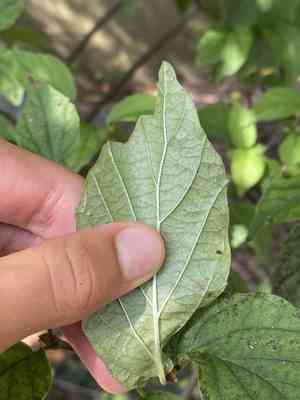
Distinguished by its groupings of white blossoms and deep green leaves, wright's viburnum thrives with appropriate trimming. Prune following bloom to sculpt or control dimensions, eliminating deceased or congested limbs. Ideally performed in early spring or winter, pruning encourages fresh development, boosts air movement, and amplifies blooming. Deliberate cuts additionally deter illness by enabling sunlight to permeate the foliage, guaranteeing a more robust, flourishing wright's viburnum.
Advantages of Trimming Wright's Viburnum
Advantages of Trimming Wright's Viburnum
Trimming wright's viburnum promotes more abundant blooms, ensuring a vibrant display. It also aids in preventing pests and diseases, maintaining wright's viburnum's vitality and overall well-being.
Optimal Period for Trimming Wright's Viburnum
Optimal Period for Trimming Wright's Viburnum
Trimming wright's viburnum in early spring is ideal as it precedes new growth, allowing the plant to recover swiftly without depleting its energy reserves or upcoming flowers. Pruning at this time helps preserve the plant's natural form, eliminate any dead or damaged branches, and stimulate healthy new growth. Winter pruning is also suitable, as wright's viburnum is dormant, and removing branches will not disrupt its growth cycle. This timing also prevents cutting off flower buds, which could diminish the plant's blooming potential, as wright's viburnum typically flowers on old wood. Winter pruning also enables gardeners to easily view the plant's structure and decide which branches to remove without foliage obstructing their view.
Tools Required for Trimming Wright's Viburnum
Hand Pruners
Perfect for cutting stems up to 1/2 inch in diameter, hand pruners are excellent for wright's viburnum's slender branches. Their accuracy allows for precise, clean cuts that encourage healthy regrowth.
Loppers
Wright's viburnum may possess thicker branches, up to 2 inches in diameter, especially as it matures. Loppers provide the necessary leverage for these more substantial cuts without harming the plant.
Pruning Saw
For the thickest branches on wright's viburnum, exceeding 2 inches in diameter, a pruning saw is indispensable. Its serrated blade enables clean cutting of larger limbs, which is vital to prevent tearing and ensure rapid healing.
Hedge Shears
When shaping wright's viburnum or managing its expansion, hedge shears can be utilized for trimming and shaping the outermost foliage. This tool is beneficial for maintaining the desired aesthetic and promotes dense, bushy growth.
Pole Pruner
If wright's viburnum is particularly tall or has inaccessible branches, a pole pruner extends your reach without requiring ladders. It's a safer option for trimming higher branches.
How to Trim Wright's Viburnum
Sanitize tools
Before beginning, sterilize pruning shears and saws with a solution of 1 part bleach to 9 parts water to prevent the spread of diseases to wright's viburnum.
Remove damaged
Identify and carefully remove any diseased leaves, withered leaves, dead branches, and diseased branches from wright's viburnum using the sterilized pruning shears, making cuts at a 45-degree angle to promote healing and prevent water accumulation.
Cut back faded flowers
Trim the faded flowers from wright's viburnum immediately after they wilt, cutting them back to the first set of leaves below the flower to encourage new growth and more blooms in the subsequent season.
Thin out excessive growth
Thin out excessive growth branches on wright's viburnum by cutting them back to their point of origin or to a lateral branch to improve air circulation, increase light penetration, and maintain the plant's natural shape.
Overall form
Assess the overall form of wright's viburnum as you prune, aiming for a balanced, visually appealing shape. Make any additional selective cuts to enhance the plant's appearance without over-pruning.
Common Trimming Errors with Wright's Viburnum
Excessive pruning
Removing too much foliage from wright's viburnum can stress the plant, impede its growth, and reduce flowering. It's crucial to prune no more than one-third of the plant's total size during a pruning session.
Incorrect cut placement
Making cuts too far from a bud or node, or too close, can result in stubs that attract pests and disease, or it can harm the bud. Cuts should be made at a 45-degree angle approximately 1/4 inch (0.6 cm) above an outward-facing bud.
Failure to sterilize tools
Not sterilizing pruning tools before use can transmit diseases from infected plants to healthy ones. Always clean and sterilize all tools before and after trimming wright's viburnum.
Tearing branches
Ripping or tearing branches instead of making clean cuts can damage wright's viburnum's bark and lead to disease and infestation. Use sharp pruning tools to make clean cuts.
General Trimming Advice for Wright's Viburnum
Identify growth pattern
Understanding the growth habit of wright's viburnum is essential. It typically produces flowers on old wood, so pruning should aim to maintain the plant's shape and encourage the growth of the previous year's stems.
Thin out old wood
Regularly thinning out older stems promotes air circulation and allows light to reach the inner part of wright's viburnum, fostering healthy new growth and improved flowering.
Maintenance trimming
Perform maintenance trimming to remove dead, diseased, or crossing branches, which helps enhance wright's viburnum's overall health and appearance without significantly altering its size or shape.
Rejuvenation trimming
If wright's viburnum has become overgrown or sparse, rejuvenation trimming can be employed by removing one-fifth of the oldest, thickest stems down to the ground. This method encourages fresh growth and should be done over several years.