The Wright's viburnum Plant Advantage: Maximizing Home and Office Appeal and Wellness
1
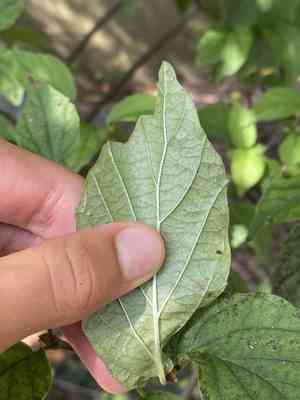
Wright's viburnum offers continuous aesthetic charm due to its profuse blooms and lively leaves.
2
This particular plant type is quite adaptable and thrives in diverse garden environments.
3
Wright's viburnum aids native fauna, such as helpful insects and avian species.
Why Select Wright's viburnum for Your Outdoor Space?
Versatility Across Diverse Garden Settings
A key characteristic of Wright's viburnum is its remarkable capacity to adapt to various garden environments. Whether your area is shaded, sunny, or a mix, Wright's viburnum can flourish. This flexibility makes it an excellent option for gardeners aiming to fill specific roles in their landscape design. Its tolerance for different soil types further boosts its adaptability, reducing the need for extensive soil preparation.
Consistent Aesthetic Appeal Throughout the Year
Wright's viburnum is renowned for its continuous visual charm. During spring and summer, it produces lush foliage and abundant blooms that add vibrant hues to your garden. In autumn, its leaves often transform into brilliant reds and oranges, offering a stunning seasonal display. Even in winter, the plant's structure and lingering berries can provide interest and texture to an otherwise stark landscape.
What Are the Environmental Advantages of Wright's viburnum?
Supporting Local Wildlife Populations
Another significant advantage of Wright's viburnum is its contribution to local wildlife. The plant's flowers attract various pollinators, such as bees and butterflies, which are vital for maintaining ecological balance. Furthermore, its berries serve as a valuable food source for birds, helping to sustain avian populations year-round. By planting Wright's viburnum, you enhance local biodiversity and foster a healthier ecosystem.
Erosion Prevention and Soil Enrichment
Beyond supporting wildlife, Wright's viburnum plays a crucial role in preventing erosion and improving soil health. Its dense root system helps stabilize soil on inclines and prevents erosion, making it an excellent choice for areas prone to runoff or soil loss. Additionally, the plant's natural mulch, formed from fallen leaves and organic matter, enriches the soil, boosting its fertility and structure over time.
How to Maintain Wright's viburnum?
Fundamental Care and Upkeep Guidelines
Caring for Wright's viburnum is relatively simple, making it suitable for both new and experienced gardeners. The plant thrives in well-drained soil and requires moderate watering, especially during dry periods. Pruning should occur after flowering to maintain its form and encourage vigorous growth. Additionally, applying a balanced fertilizer in spring can support its robust development.
Pest and Disease Management Strategies
While Wright's viburnum generally resists pests and diseases, it's important to watch for common issues like aphids or scale. If caught early, these can often be managed with organic treatments or horticultural oils. Ensuring good air circulation around the plant can also help prevent fungal diseases such as powdery mildew. Regular inspection and maintenance of Wright's viburnum will ensure it remains a strong and attractive feature in your garden.
Where Can You Best Integrate Wright's viburnum into Your Landscape?
Creating Natural Screens and Boundaries
A popular application for Wright's viburnum in landscaping is as a natural hedge or border. Its dense growth habit and appealing foliage make it an excellent choice for defining garden edges, providing privacy, or even forming a living fence. When planted in groups, it can effectively separate different garden areas while offering a beautiful backdrop for other plants.
Enhancing Pollinator-Friendly Gardens
Wright's viburnum is also an outstanding addition to gardens designed for pollinators. Its flowers are highly attractive to various beneficial insects, including bees, butterflies, and beetles. By incorporating Wright's viburnum into your pollinator garden, you can create a vibrant and active space that supports these vital species, improving the overall health and productivity of your garden.