How to Transplant Prairie ironweed?
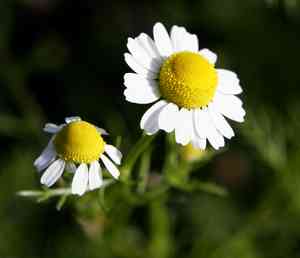
Select early to mid-spring for revitalizing prairie ironweed, as this season is ideal for root development. Locate areas with abundant sunlight and soil that drains effectively, then carefully position prairie ironweed, allowing sufficient room for expansion.
What Preparations are Needed Before Transplanting Prairie Ironweed?
What is the Ideal Time for Transplanting Prairie Ironweed?
The perfect time to move prairie ironweed is at the start of spring, or when spring is in full swing. Transplanting prairie ironweed during these periods takes advantage of cooler temperatures and sufficient rainfall, promoting root development and reducing transplant shock. A helpful hint â this timing allows prairie ironweed to establish itself well before summer heat, making the transition smoother for these vibrant plants.
How Much Space Should You Leave Between Prairie Ironweed Plants?
When relocating prairie ironweed, ensure adequate room for growth. Aim for a spacing of approximately 1-2 feet (30-60 centimeters) between each plant. This provides ample space for their roots to spread and expand!
What is the Best Soil Mix for Prairie Ironweed Transplanting?
For prairie ironweed, well-draining, loamy soil is most effective. Prepare the planting area with a light application of balanced, slow-release fertilizer as a base. This will supply your plants with the necessary nutrients to flourish.
Where Should You Relocate Your Prairie Ironweed?
When selecting a site, remember that prairie ironweed thrives in sunlight! A location receiving full sun (6 or more hours of direct sunlight daily) is perfect for them. Therefore, choose a sunny spot for optimal growth.
What Equipments Should You Prepare Before Transplantation Prairie Ironweed?
Gardening Gloves
To safeguard your hands while handling soil and the potentially thorny stem of prairie ironweed.
Shovel or Spade
This will be crucial for digging up your prairie ironweed for relocation.
Garden Trowel
This smaller tool can assist in digging a precise hole for replanting, without harming the roots.
Wheelbarrow or Container
This will be necessary to move the prairie ironweed from its original spot to its new location.
Watering Can or Hose
You'll need this to hydrate the prairie ironweed before and after transplanting.
Mulch
Organic mulch can help maintain soil moisture and prevent weeds around your transplanted prairie ironweed.
How Do You Remove Prairie Ironweed from the Soil?
How Do You Remove Prairie Ironweed from the Soil?
From Ground: First, water prairie ironweed until the surrounding soil is moist. Then, use a shovel or spade to dig around the plant's perimeter, ensuring you take a substantial amount of soil to keep the root ball as intact as possible. Once a trench is formed, slide your spade beneath the root ball and carefully lift the plant from its original site.From Pot: Water prairie ironweed to moisten the soil. This will create a better environment for the roots during transplanting. Turn the pot on its side, and if needed, tap the bottom or sides to encourage the plant to slide out. Ideally, the soil and roots should emerge in one piece, retaining the pot's shape.From Seedling Tray: For a seedling or young prairie ironweed, gently scoop it out with a small spade or trowel, keeping as much soil with the roots as possible. Avoid pulling the seedling by its stem to prevent damage.
Step-by-Step Guide for Transplanting Prairie Ironweed
Hole Preparation
Dig a hole at the new site where you'll be transplanting the prairie ironweed. The hole should be twice as wide and twice as deep as the plant's root ball.
Planting
Carefully place prairie ironweed in the prepared hole. Ensure the top of the root ball is level with the ground surface, neither too deep nor too shallow. Backfill the hole with soil, gently firming it around the root ball.
Watering
Once positioned, water the plant thoroughly. This helps the soil settle around the roots and eliminates any air pockets.
Mulching
Apply a layer of organic mulch around the plant, but not touching the stem. This aids in moisture retention and weed suppression.
How Do You Care For Prairie Ironweed After Transplanting?
Monitoring
Observe your transplanted prairie ironweed closely for the first few weeks. Any signs of wilting or discoloration may indicate stress.
Adjustment
Don't be disheartened if your transplant doesn't appear robust initially. Some drooping or minor leaf loss is normal until the plant adapts to its new location.
Trimming
If you notice any dead or dying leaves or branches after transplanting, prune them. This will allow the prairie ironweed to direct its energy towards new growth.
Regular Watering
Ensure the plant is watered consistently, but avoid waterlogging. The soil around your prairie ironweed should remain moist, especially for the initial couple of weeks.
Troubleshooting Common Issues with Prairie Ironweed Transplantation.
What's the best moment during the year to transplant prairie ironweed?
The most opportune time for relocating prairie ironweed is between S1 to S2, setting the stage for robust development.
How should I arrange my prairie ironweed for optimal growth?
Maintain a distance of approximately 1-2 feet (30-60 cm) between prairie ironweed plants to ensure they have ample room to grow and spread.
Can I transplant prairie ironweed in a shaded area?
Prairie ironweed prefers direct sunlight or partial shade. Excessive shade will hinder its growth and reduce its blooming.
How deep should I plant the roots of prairie ironweed when transplanting?
You'll want to dig a hole that's just deep enough to fully cover the root ball. Typically, this is about 6-8 inches (15-20 cm).
What type of soil is best for transplanting prairie ironweed?
Prairie ironweed thrives best in well-drained, fertile soil. A mixture of loam, sand, and compost works effectively.
Why are my transplanted prairie ironweed's leaves wilting?
Wilting leaves after transplanting could indicate shock. Ensure proper hydration, good soil conditions, and avoid extreme temperatures.
How often should I water my newly transplanted prairie ironweed?
Prairie ironweed enjoys moist but not waterlogged soil. Water it thoroughly immediately after transplanting and then as needed depending on weather conditions.
Why isn't my transplanted prairie ironweed flowering?
Ensure prairie ironweed is receiving ample sunlight as insufficient sunlight can impact blooming. Also, avoid over-fertilizing as it may promote leaf growth over blossoms.
What should I do to prepare for transplanting prairie ironweed?
Before transplanting prairie ironweed, prepare the soil properly. Loosen it, remove any weeds, and add organic compost or well-rotted manure to enhance fertility.
Can I transplant prairie ironweed in a pot?
Absolutely! Make sure the pot is sufficiently spacious, ideally at least 10 inches (25 cm) in diameter. Remember, prairie ironweed needs room to grow.



