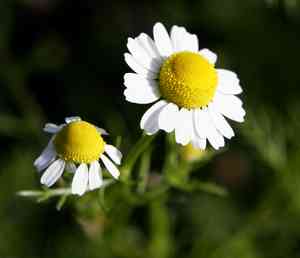
Prairie ironweed (Vernonia fasciculata)
Also known as: Common ironweed, Western ironweed, Ironweed
New England Aster (Symphyotrichum novae-angliae) is a perennial wildflower known for its striking bright purple blooms that cluster on stems reaching up to 1.5 meters tall. This plant flowers from late summer into early fall. It plays a crucial role as a host plant for the American Painted Lady butterfly and provides significant nectar resources for bees. After flowering, it produces small, fluffy seeds that are carried away by the wind.
In This Article
Attributes of Prairie ironweed
Lifespan
Perennial
Plant Type
Herb
Plant Height
91 cm to 1.8 m
Spread
90 cm
Leaf Color
Green Blue
Flower Size
2.5 cm
Flower Color
Purple
Images of Prairie ironweed
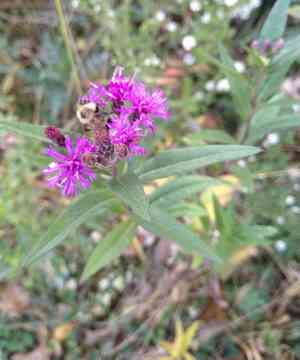
Quickly Identify Prairie ironweed
1
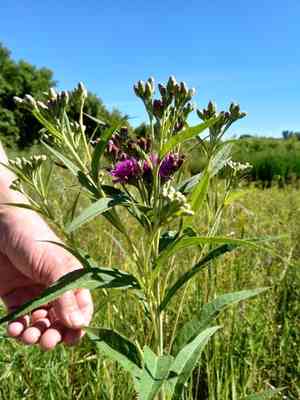
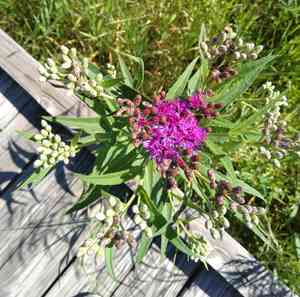
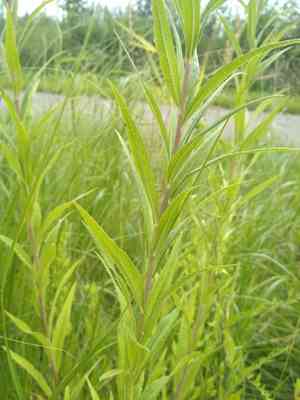
Identification of Vernonia fasciculata can be done by noting its tall stature, lanceolate leaves, and bright purple, thistle-like flower heads that appear in late summer to fall. The stems are usually hairy, and the flower clusters are quite dense.
Scientific Classification of Prairie ironweed
Phylum
Vascular plants
Class
Dicotyledons
Order
Asterales
Family
Daisy
Genus
Vernonia
Species
Prairie ironweed
Planting and Growing of Prairie ironweed
Care Difficulty
Easy
Watering Schedule
Every 4 days
Sunlight Requirements
Full sun
Sunshine Duration
6-10 hours
Ideal Temperature
65-75℉
Soil Type
Potting Mix, Peat Mix
Soil pH
6.5-7.5
Fertilizer Type
Balanced
Pruning Season
Spring, Summer
Pruning Area
Branches, Leaves
Pruning Frequency
2 times a year
Repotting Season
Spring
Pot Type
Plastic, Ceramic
 How to Water Prairie ironweed?
Vernonia fasciculata prefers consistently moist soil that is not soggy. Each watering session should aim to thoroughly soak the soil, applying approximately 500 ml of water to ensure the roots receive ample hydration. The goal is to maintain slightly damp soil without waterlogging.
What are the symptoms of an underwatered Prairie ironweed?
›
What should I do if my Prairie ironweed is not getting enough water?
›
What are the symptoms of an overwatered Prairie ironweed?
›
How to save an overwatered Prairie ironweed?
›
 What Are the Sunlight Requirements for Prairie ironweed?
The ideal light range is full sun to partial sun, which ensures the plant receives enough energy to thrive and blossom beautifully, enhancing its durability and attractiveness.
More About Sunlight Requirements Techniques→
What is the ideal lighting for Vernonia fasciculata?
›
How can you achieve these lighting conditions?
›
What benefits come from ideal lighting?
›
 What Is the Ideal Temperature Range for Prairie ironweed?
For optimal growth, Vernonia fasciculata thrives in temperatures ranging from 65°F to 75°F. These conditions mimic its natural habitat and ensure robust flowering and foliage development.
 What Soil is Best for Prairie ironweed?
Vernonia fasciculata thrives in well-drained soil conditions, helping to prevent root rot and promoting healthy growth. Such soil ensures the roots have access to both moisture and air, crucial for its development. This plant prefers moist soil that retains some water without becoming waterlogged. Adequate moisture helps the plant maintain its lush appearance and supports its flowering potential. Incorporating organic material like compost into the soil can significantly enhance its quality. Organic matter improves soil structure, aids nutrient retention, and boosts microbial activity, benefiting the plant’s overall health.
 How to Fertilize Prairie ironweed?
For Vernonia fasciculata, apply a liquid fertilizer solution at half the manufacturer's recommended strength per application. This ensures that the plant receives enough nutrients without risking root burn or over-fertilization.
 How to Prune Prairie ironweed?
Start by cutting back any old, woody stems to the base of the plant. This will make room for new growth and help prevent the plant from becoming too leggy. Trim the plant to the desired shape by selectively cutting the stems just above a leaf node. This will encourage bushier growth and ensure a neat appearance. Deadhead any spent flowers to improve the plant’s appearance and to encourage further blooming. Cut just below the flower head without damaging new buds.
More About Pruning Techniques→
 How to Propagate Prairie ironweed plant?
1
Collect seeds from mature Vernonia fasciculata plants after they have bloomed and the seed heads have dried. Ensure that the seeds are fully mature before collection for higher germination success rate.
2
Sow the seeds in seedling trays filled with a well-draining soil mix. Lightly cover them with soil and water gently to keep the soil moist but not waterlogged.
3
In early spring, dig up mature clumps and carefully divide them using sharp tools. Replant the divisions into well-prepared soil and water thoroughly to establish new growth.
 How to Repot Prairie ironweed plant?
1
Repot Vernonia fasciculata when you notice the roots are crowded or growing out of the drainage holes. This typically means the plant is becoming root-bound and needs more space to thrive. Repotting in spring or autumn can also enhance growth, as it is transitioning out of or into its dormancy period.
2
Select a pot that is one size larger than the current one to allow for root expansion. Ensure it has drainage holes to prevent waterlogging, which can lead to root rot. A slightly larger pot prevents excessive soil that could retain too much moisture, providing the plant with just the right environment for growth.
3
Opt for a well-drained potting mix, rich in organic matter to support healthy growth. Such soil provides necessary nutrients and good aeration, preventing the roots from staying too wet while supplying enough hydration and spaces for root development.
Learn More About Prairie ironweed Diseases
Anthracnose
Bacterial Leaf Spot
Bacterial Wilt
Crown Gall
Cyst Nematode
Damping-off
Downy Mildew
Drought Stress
Fusarium Wilt
Gray Mold
Leaf Spot
Mosaic
Nutrient Deficiency
Nutrient Toxicity
Powdery Mildew
Root Rot
Root-knot Nematode
Rusts
Sooty Mold
Spider Mites
Temperature Stress
Thrips Damage
White Mold



