How to Prune Prairie ironweed?
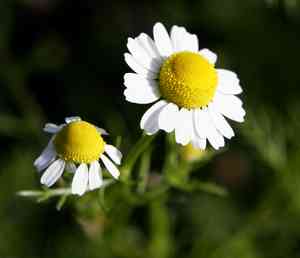
A lofty, resilient perennial featuring vivid purple blossoms, prairie ironweed flourishes in abundant sunlight and adequately drained earth. Trim in early spring to foster denser development and avert sprawling; remove faded flowers in summer to stimulate a subsequent flowering. Timely trimming improves air circulation and plant well-being, diminishing the likelihood of pests and ailments. Being an indigenous variety, prairie ironweed benefits from limited trimming, which aligns with its inherent growth pattern and aids local fauna.
What Are the Benefits of Pruning Prairie Ironweed?
What Are the Benefits of Pruning Prairie Ironweed?
Trimming prairie ironweed promotes robust development and maintains its shape by eliminating faded flowers and congested stems, enhancing air circulation and lowering disease risk.
What Is the Best Time for Pruning Prairie Ironweed?
What Is the Best Time for Pruning Prairie Ironweed?
The optimal period to prune prairie ironweed is from late winter to early spring, prior to the emergence of new growth. This timing allows gardeners to sculpt the plant and remove any dead or damaged stems without disrupting new growth cycles. Spring pruning stimulates fresh growth, ensuring the plant directs its energy into producing strong shoots. After prairie ironweed has flowered in the summer, gardeners can trim or deadhead the spent blossoms to maintain a neat appearance and potentially encourage a second bloom. This immediate post-flowering interval is also considered ideal as it prevents the plant from expending energy on seed production, preserving its vitality for the subsequent season.
What Tools Do I Need to Prune Prairie Ironweed?
Bypass Pruners
Given the slender stems and herbaceous nature of prairie ironweed, bypass pruners are perfect for making clean cuts without crushing plant tissue. Bypass pruners operate like scissors, offering precise control for cutting stems up to half an inch thick.
Loppers
If prairie ironweed has developed thicker stems, loppers can be utilized for cutting stems up to 1 and a half inches in diameter. Their extended handles provide leverage for making clean cuts through denser growth without excessive effort.
Pruning Saw
For any mature or woody stems that might be too thick for loppers, a pruning saw is suitable. It enables you to cut through stems larger than 1 and a half inches in diameter with accuracy and care, ensuring healthy regrowth.
Gardening Gloves
Crucial for safety and comfort, gardening gloves shield your hands from thorns or rough plant material when working with prairie ironweed.
Pruning Shears
For deadheading or shaping prairie ironweed, pruning shears provide a comfortable handheld option for minor pruning tasks, such as removing spent flowers or light shaping.
How to Prune Prairie Ironweed
Sterilization
Before beginning, sanitize pruning tools with a bleach or alcohol solution to prevent the spread of diseases between plants.
Removal diseased leaves
Inspect prairie ironweed for diseased leaves, which may appear discolored or spotted. Carefully snip these leaves at their base without harming healthy tissue.
Removal withered leaves
Identify withered or old leaves that are dry, brown, or crispy. Trim these leaves by cutting them back to the base or to the next healthy growth point.
Removal diseased stems
Examine prairie ironweed for any diseased stems showing signs of rot or damage. Make clean cuts at a 45-degree angle above a healthy bud or node to remove these stems.
Disposal
Collect all removed diseased and withered foliage and stems and dispose of them properly to prevent the spread of disease or pests in the garden.
Common Pruning Mistakes with Prairie Ironweed
Overpruning
Removing too much foliage from prairie ironweed can compromise its vigor and stress the plant, potentially leading to stunted growth or a decrease in flowering.
Improper cut location
Cutting too far above or below the node when pruning prairie ironweed can cause poor plant recovery and unsightly growth. It's crucial to make cuts close to the nodes to promote healthy new growth.
Using dull tools
Utilizing dull pruning tools can result in jagged cuts on prairie ironweed, which can make the plant more susceptible to pests and diseases by creating larger open wounds.
Neglecting plant shape
Failing to consider the natural growth habit of prairie ironweed while pruning can lead to an unnatural appearance and reduce the plantâs overall aesthetic appeal.
Ignoring diseased or dead material
Not removing diseased, damaged, or dead stems and leaves during pruning can allow diseases and pests to persist and affect the health of prairie ironweed.
Common Pruning Tips for Prairie Ironweed
Clean cuts
Ensuring that every cut made on prairie ironweed is clean and sharp will help the plant heal faster and reduce the risk of disease.
Prune for airflow
Thinning out dense areas of prairie ironweed can increase airflow and light penetration, reducing the likelihood of fungal diseases and promoting more vigorous growth.
Selective pruning
Practicing selective pruning by removing only the necessary stems and leaves can help maintain prairie ironweed's natural form and encourage healthier, more prolific blooms.
Sterilize tools
Sterilizing pruning tools before use on prairie ironweed can prevent the spread of diseases from plant to plant and is essential for maintaining garden health.
Consistent maintenance
Regularly inspecting and tidying up prairie ironweed by removing spent blooms and dead material helps encourage new blooms and keeps the plant looking its best.



