How to Transplant Fringed false hellebore?
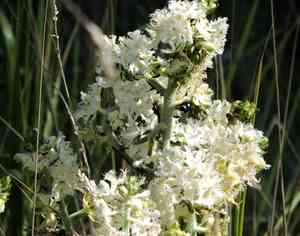
For fringed false hellebore, the ideal period for relocation is from the mild thaw to the vigorous growth phase of early to late spring, which aids in root development. Select a location offering partial shade and soil that drains effectively to guarantee successful adaptation.
What Preparations are Needed Before Transplanting Fringed False Hellebore?
What is the Ideal Time for Transplanting Fringed False Hellebore?
The optimal period for relocating fringed false hellebore is during its revitalization phase right after winter, typically as the final frost recedes. This timing leverages the plant's inherent growth cycle. Moving fringed false hellebore in this season aligns with its renewed growth, ensuring a smooth transition and reduced stress. Your garden will benefit from synchronizing with nature's rhythms to guarantee more robust, healthier fringed false hellebore plants.
How Much Space Should You Leave Between Fringed False Hellebore Plants?
Welcome to the gardening world! For transplanting your fringed false hellebore, the perfect starting point is to space them out nicely. Aim for about 18-24 inches (45-60 cm) apart. This gives each plant room to flourish while creating a lush, full garden bed.
What is the Best Soil Mix for Fringed False Hellebore Transplanting?
For those gorgeous fringed false hellebore, they'll thrive in rich, well-draining soil. Kick off the growth by working in a balanced, slow-release fertilizer to the planting area. Your fringed false hellebore will thank you for this nutritious start!
Where Should You Relocate Your Fringed False Hellebore?
Finding the ideal spot is key! Fringed false hellebore enjoy some sunlight but prefer partial shade. Look for a location that simulates a woodland setting, where dappled light can grace their leaves throughout the day.
What Equipments Should You Prepare Before Transplantation Fringed False Hellebore?
Gardening Gloves
To shield your hands while handling soil and plants.
Shovel or Spade
For digging around and lifting the plant.
Garden Fork
To loosen the soil around the root ball, if necessary.
Watering Can or Hose
To hydrate the plant before and after removal.
Tarp or Burlap
To transport the root ball and keep the roots moist.
Pruning Shears
For trimming any damaged roots or foliage.
Organic Mulch
To help retain soil moisture post-transplanting.
Measuring Tape
To ensure proper spacing between transplants.
How Do You Remove Fringed False Hellebore from the Soil?
How Do You Remove Fringed False Hellebore from the Soil?
From Ground: First, water the fringed false hellebore to dampen the soil. Then, dig a wide trench around the plant with a shovel or spade, ensuring the root ball remains intact. Carefully slide the spade under the root ball to lift the plant out.From Pot: Water the fringed false hellebore thoroughly. Turn the pot sideways, tap the bottom, and gently coax the plant out. Support the root ball with your hand to prevent it from breaking apart.From Seedling Tray: Water the seedlings well. Use a fork or spoon to gently lever the seedling out of the tray, ensuring minimal root disturbance.
Step-by-Step Guide for Transplanting Fringed False Hellebore
Assess Root Ball
Check the root ball of the fringed false hellebore for size and health. Trim any dead or excessively long roots.
Dig the Hole
Dig a hole in the ground twice the width of the root ball and the same depth, so the fringed false hellebore sits at the same level it was growing before.
Position fringed false hellebore
Place the fringed false hellebore in the center of the hole, spreading out the roots gently.
Backfill
Carefully backfill the hole with native soil, securing the fringed false hellebore in place. Gently tamp down with your hands to remove air pockets.
Water Well
After transplanting, water the fringed false hellebore deeply to settle the soil and hydrate the roots.
Apply Mulch
Spread organic mulch around the base of the fringed false hellebore, avoiding direct contact with the stem, to retain moisture and regulate soil temperature.
How Do You Care For Fringed False Hellebore After Transplanting?
Stabilization
Stake the fringed false hellebore if it is tall or in a windy location to prevent it from being uprooted.
Monitoring
Check the plant daily for signs of stress such as wilting or discoloration.
Adjust Watering
As roots establish, gradually reduce watering frequency but ensure the soil remains moist.
Pruning
Remove any yellowing or dead leaves to direct energy to healthy growth.
Protection
Shield the fringed false hellebore from extreme weather conditions with covers if necessary.
Observation
Watch for pests or diseases during the early stages following transplanting and treat appropriately.
Troubleshooting Common Issues with Fringed False Hellebore Transplantation.
When is the optimal time to transplant fringed false hellebore?
The best time to move fringed false hellebore is when the weather warms, typically in early to late spring.
What spacing should I use when transplanting fringed false hellebore?
Space fringed false hellebore about 18-24 inches (45-60 cm) apart to ensure proper growth and air circulation.
What's the recommended soil type for fringed false hellebore transplant?
Use rich, well-draining soil with plenty of organic matter to keep fringed false hellebore happy.
How much sunlight does fringed false hellebore require after transplanting?
Place fringed false hellebore in a spot where it can enjoy partial shade, as full sun can be too intense.
Why are my transplanted fringed false hellebore plants wilting?
Wilt can occur from shock. Ensure consistent moisture and avoid direct, intense sunlight initially.
How deep should I plant fringed false hellebore when transplanting?
Plant fringed false hellebore at the same depth it was growing previously, typically not exceeding the crown level.
Can I fertilize fringed false hellebore immediately after transplanting?
Wait a few weeks before fertilizing fringed false hellebore to prevent root burn and allow acclimatization.
How often should I water fringed false hellebore post-transplant?
Water fringed false hellebore deeply after transplanting, then regularly to maintain moist but not soggy soil.
How do I prepare fringed false hellebore for transplanting?
Gently dig around fringed false hellebore, preserving as much root as possible, and transplant swiftly to the new location.
When can I expect fringed false hellebore to fully recover from transplant shock?
Recovery time varies, but with proper care, fringed false hellebore should start thriving within a few weeks.



