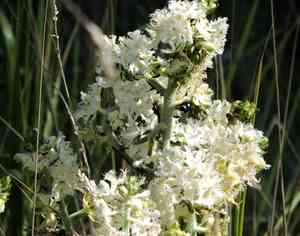
Fringed false hellebore (Veratrum fimbriatum)
Also known as: Fringed False Hellebore
Fringed false hellebore thrives in wet environments such as moist meadows, streambanks, and forested swamps. This plant, characterized by its tall stems and broad, ribbed leaves, features clusters of small, star-like flowers, usually white or greenish, with fringed edges. It is well-suited to cool, moist habitats, where its unique appearance helps attract pollinators.
In This Article
Attributes of Fringed false hellebore
Lifespan
Perennial
Plant Type
Herb
Plant Height
1 m to 2 m
Spread
Not typically measured for foliage spread; flowers spread around 0.3 meters
Leaf Color
Green
Flower Size
1 cm
Flower Color
White Yellow
Images of Fringed false hellebore
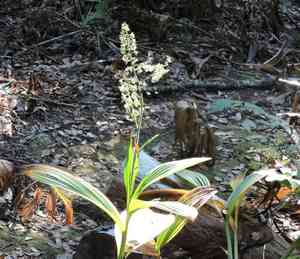
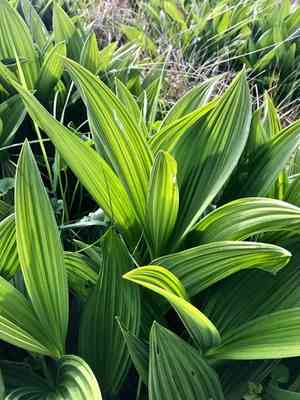
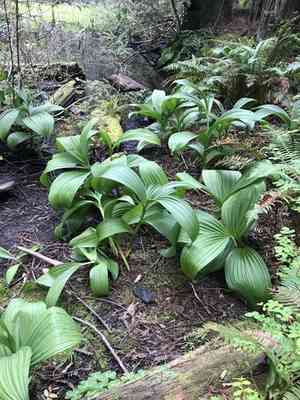
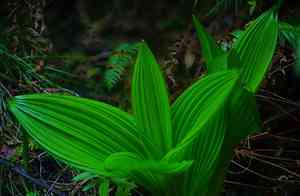
Quickly Identify Fringed false hellebore
1
Identify Veratrum fimbriatum by its large, parallel-veined leaves and open, branched clusters of small, fringed green to yellowish flowers. The plant usually has stout stems and can be up to 1.5 meters tall.
Scientific Classification of Fringed false hellebore
Phylum
Vascular plants
Class
Monocotyledons
Order
Liliales
Family
Bunchflower
Genus
False hellebores
Species
Fringed false hellebore
Planting and Growing of Fringed false hellebore
Care Difficulty
Hard
Watering Schedule
Every 2 days
Sunlight Requirements
Partial sun
Sunshine Duration
6-10 hours
Ideal Temperature
60-68℉
Soil Type
Potting Mix, Peat Mix
Soil pH
6.5-7.5
Fertilizer Type
Balanced
Pruning Season
Spring, Summer
Pruning Area
Branches, Leaves
Pruning Frequency
2 times a year
Repotting Season
Spring
Pot Type
Plastic, Ceramic
 How to Water Fringed false hellebore?
For Veratrum fimbriatum, aim to provide around 500 ml of water per session. This volume ensures that the soil remains adequately moist without becoming waterlogged. Ensure the water penetrates deeply into the soil for optimal root absorption, but let the top 2-3 inches dry before watering again.
What are the symptoms of an underwatered Fringed false hellebore?
›
What should I do if my Fringed false hellebore is not getting enough water?
›
What are the symptoms of an overwatered Fringed false hellebore?
›
How to save an overwatered Fringed false hellebore?
›
 What Are the Sunlight Requirements for Fringed false hellebore?
Partial sun for Veratrum fimbriatum promotes steady growth, avoiding the stress of full, direct sunlight, which could cause damage. This lighting condition supports healthy leaf color and structure.
What is the best lighting setup?
›
How can I ensure it receives optimal light?
›
What benefits does optimal light provide?
›
 What Is the Ideal Temperature Range for Fringed false hellebore?
Veratrum fimbriatum thrives best in conditions where the temperature is consistently kept between 60°F and 68°F. This range provides a balance that supports healthy physiological processes such as nutrient absorption, photosynthesis, and growth regulation. Maintaining this temperature ensures that the plant remains vigorous and can achieve optimal growth patterns.
 What Soil is Best for Fringed false hellebore?
Veratrum fimbriatum thrives in soils that retain moisture well. This prevents the plant from drying out, especially in hotter climates, ensuring a consistent supply of water for optimal growth. While moisture retention is key, the soil must also drain excess water to prevent root rot. Adequately drained soil balances water availability and protects roots from fungal infections. Rich, organic matter in the soil supplies essential nutrients, promoting robust greenery and healthy development. This nutrient-rich environment supports continuous plant growth and vitality.
 How to Fertilize Fringed false hellebore?
Veratrum fimbriatum, commonly known as fringed corn lily, requires a balanced approach to fertilization. For liquid fertilizers, use a diluted solution with 1/4 of the recommended strength to avoid chemical burn. For granular fertilizers, a light sprinkling around the base of the plant is sufficient, roughly about 20 grams per plant per application.
 How to Prune Fringed false hellebore?
Start by identifying dead, diseased, or weak stems. These can be recognized by their brown or black color and lack of vitality. Removing them helps redirect energy to healthier parts. Focus on maintaining the natural shape of Veratrum fimbriatum by cutting back overly long stems to encourage a more compact growth pattern that is both aesthetically pleasing and structurally sound. After the plant flowers, cut back the flower stalks to encourage the plant to focus its energy on growing strong leaves and roots. This step aids in the prevention of self-seeding if undesired.
More About Pruning Techniques→
 How to Propagate Fringed false hellebore plant?
1
To propagate Veratrum fimbriatum from seeds, start by sowing seeds in well-draining soil in seed trays. Maintain consistent moisture and place trays in a warm area. Germination can be slow, so patience is required. Transplant seedlings once they are large enough to handle.
2
When using division propagation, wait until the plant is dormant. Gently lift the plant from the soil using a spade and carefully separate the rhizomes with a sharp knife, ensuring each division has a portion of the root system and a shoot.
3
After dividing, replant the rhizomes in a prepared bed with rich soil. Water thoroughly and keep the soil moist but not waterlogged. Mulch can be applied to retain moisture and regulate soil temperature during the establishment phase.
 How to Repot Fringed false hellebore plant?
1
Veratrum fimbriatum requires repotting when you notice growth stalling despite proper care, roots peeking from drainage holes, or soil drying out too quickly. These are signs your plant needs more space and fresh nutrients.
2
Select a pot that is no more than 2 inches wider than the current one to avoid excess soil retaining water. Ensure it has good drainage holes to keep the well-draining soil effective, preventing root rot.
3
Opt for a well-draining, rich soil mix to ensure Veratrum fimbriatum's roots receive adequate moisture without becoming waterlogged. A mix that retains some moisture yet drains properly supports healthy root and plant growth.
Toxicity
Ingestion, Contact with sap
WARNING
The judgment on toxicity and danger is for reference only. We DO NOT GUARANTEE any accuracy of such judgment. Therefore, you SHALL NOT rely on such judgment. It is IMPORTANT TO SEEK PROFESSIONAL ADVICE in advance when necessary.
Learn More About Fringed false hellebore Diseases
Anthracnose
Bacterial Leaf Spot
Bacterial Soft Rot
Bacterial Wilt
Chemical Injury
Crown Gall
Cyst Nematode
Damping-off
Downy Mildew
Drought Stress
Fusarium Wilt
Gray Mold
Leaf Spot
Mosaic
Nutrient Deficiency
Nutrient Toxicity
Powdery Mildew
Root Rot
Root-knot Nematode
Rusts
Sooty Mold
Spider Mites
Temperature Stress
Thrips Damage
White Mold



