How to Prune Fringed false hellebore?
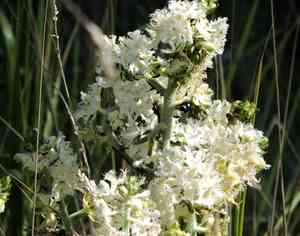
This enduring herbaceous species thrives in damp, shadowed environments, recognized for its expansive leaves and elevated floral stems. Appropriate trimming for fringed false hellebore entails excising withered or ailing leaves and faded flower spikes to foster robust development. The most effective periods for pruning span from spring to autumn, deliberately bypassing winter to avert damage during its dormant phase. Consistent trimming sustains vitality and diminishes the likelihood of illness, thereby augmenting this plant's aesthetic value. Pruning must be executed cautiously because of its poisonous characteristics.
What Are the Benefits of Pruning Fringed False Hellebore?
What Are the Benefits of Pruning Fringed False Hellebore?
Trimming fringed false hellebore promotes a strong structure, offering specific advantages like vibrant blooms, robust development, and a customized form. Strategic cuts rejuvenate fringed false hellebore, sustaining vigor and ensuring a controlled, appealing shape.
What Is the Best Time for Pruning Fringed False Hellebore?
What Is the Best Time for Pruning Fringed False Hellebore?
Fringed false hellebore enters a period of active growth following the last frost in late spring, making this an optimal time for trimming. By removing spent blossoms or unwanted growth during this phase, the plant can direct energy towards new development and recovery. Summer pruning can be useful for shaping the plant or managing its size, but avoid extensive pruning late in the season, as new growth might not harden before autumn frosts. Fall pruning is not advised as it can stimulate new growth that won't survive winter, jeopardizing the plant's health.
What Tools Do I Need to Prune Fringed False Hellebore?
Bypass Pruners
Perfect for making clean cuts on the live stems of fringed false hellebore. They minimize disease risk by ensuring precise cuts that heal quickly.
Pruning Saw
Crucial for cutting through thicker stems or branches of fringed false hellebore, which might be too large for pruners. This guarantees clean removal without tearing plant tissue.
Long-Handled Loppers
Helpful for reaching higher stems of fringed false hellebore, providing increased leverage for cutting moderately thick stems while ensuring the gardener's safety and comfort.
Gardening Gloves
Offers protection to the gardener's hands from the potentially irritating sap and sharp edges of fringed false hellebore's foliage.
Garden Shears
Suitable for trimming the smaller, finer foliage of fringed false hellebore, allowing for more controlled shaping of the plant.
How to Prune Fringed False Hellebore
Clean tools
Before beginning, ensure all pruning tools are clean and disinfected to prevent the spread of disease to fringed false hellebore.
Remove diseased
Carefully inspect fringed false hellebore for any diseased leaves. Use sharp pruning shears to cut these leaves at their base without harming healthy parts.
Cut withered leaves
Identify and trim any withered leaves from fringed false hellebore. Make cuts neat and close to the stem, avoiding damage to adjacent healthy foliage and stems.
Trim withered flower
Remove wilted flowers from fringed false hellebore by cutting the flowering stems just above the first set of healthy leaves. This helps prevent disease and may encourage new growth.
Disposal
Collect all removed material and dispose of it away from fringed false hellebore to reduce disease risk. Do not compost diseased or withered plant matter.
Common Pruning Mistakes with Fringed False Hellebore
Over-pruning
Inexperienced gardeners might underestimate fringed false hellebore's resilience and remove too much foliage, which can stress the plant and impede its growth.
Improper tool use
Using dull or unclean tools can damage fringed false hellebore's stems, leading to uneven cuts and potential disease introduction.
Incomplete removal of dead material
Failing to remove all dead or dying parts of fringed false hellebore can lead to pest infestations and diseases due to decaying organic material.
Neglecting plant shape
Unstructured pruning can result in an undesirable shape for fringed false hellebore and can also affect the plant's overall health and flowering capability.
Pruning live flowers
Removing live flowers during pruning can reduce the plant's ability to reproduce and may diminish fringed false hellebore's ornamental value.
Common Pruning Tips for Fringed False Hellebore
Tool selection and maintenance
Ensure that tools are sharp, clean, and appropriate for the branch size being pruned on fringed false hellebore to make precise cuts and prevent disease spread.
Identify dead material
Carefully inspect fringed false hellebore and remove only dead, diseased, or damaged foliage to maintain plant health without excessive cutting.
Cut at the base
When removing larger parts of fringed false hellebore, cut close to the base to promote better healing and reduce the chances of pest intrusion at the cut site.
Consider plant architecture
When shaping fringed false hellebore, focus on its natural growth pattern to maintain an aesthetic and healthy form without compromising the plant's structural integrity.
Pruning for regeneration
Prune fringed false hellebore with the goal of encouraging new growth and vitality, focusing on removing parts that no longer contribute to the plant's energy, such as old stalks after flowering.



