The Fringed false hellebore Plant Advantage: Maximizing Home and Office Appeal and Wellness
1
This species flourishes in damp, low-light conditions, ideal for forest-like garden settings.
2
Its distinctive frilly foliage enhances the visual appeal of any outdoor area.
3
A superb option for preventing soil erosion due to its strong root network.
What Makes Fringed false hellebore Distinctive?
Visual Appeal
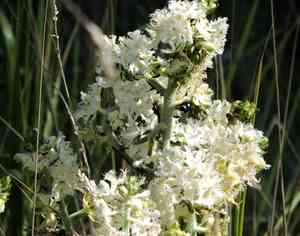
A primary reason Fringed false hellebore has gained recognition is its exceptional visual charm. Its fringed foliage creates a striking aesthetic contrast in any garden setting. Originating from damp, shaded environments, it's an ideal selection for woodland gardens seeking an exotic touch.
Versatility in Conditions
Another unique characteristic of Fringed false hellebore is its adaptability. While it flourishes in shady, moist conditions, it can also tolerate various soil types. This resilience makes it a flexible addition to any garden, especially in areas where other plants might struggle.
Ecological Advantages of Fringed false hellebore
Soil Stabilization
The robust root structure of Fringed false hellebore makes it highly effective for preventing soil erosion. This plant's roots firmly anchor the soil, preventing runoff and stabilizing terrain. Gardeners in sloped or flood-prone regions can greatly benefit from cultivating Fringed false hellebore.
Biodiversity Promotion
Cultivating Fringed false hellebore can also contribute to local ecological diversity. It offers a unique habitat for various insects and small animals. Birds and pollinators are particularly drawn to this plant, which can aid in maintaining a healthy and balanced ecosystem.
Horticultural Benefits of Fringed false hellebore
Minimal Upkeep
For those who prefer low-maintenance gardening, Fringed false hellebore is an excellent option. Once established, it requires little care, being drought-tolerant and relatively free from pests.
Shade Provision
Additionally, Fringed false helleboreâs broad, fringed leaves can provide natural shade for smaller, more delicate plants. This can help in creating microclimates within your garden, allowing you to cultivate a diverse range of plants together.
How to Incorporate Fringed false hellebore into Your Garden
Optimal Planting Locations
When deciding where to plant Fringed false hellebore, consider spots that mimic its natural habitat. Shaded areas with consistent moisture will help this plant thrive. Furthermore, it pairs well with other moisture-loving plants like ferns and hostas.
Cultivation Advice
Begin by enriching the soil with ample organic matter to ensure good drainage and nutrient availability. Planting should occur in early spring or late fall to allow the roots time to establish. Mulching around the base can help retain moisture and regulate soil temperature.
Questions About Fringed false hellebore: Common Inquiries
Is Fringed false hellebore Invasive?
No, Fringed false hellebore is not considered invasive and can be safely planted without the risk of it taking over your garden. Its growth is sturdy but controlled, making it a dependable choice for various landscapes.
Can Fringed false hellebore Be Grown in Containers?
Yes, Fringed false hellebore can also be grown in pots, provided the container is large enough to accommodate its root system. Ensure the pot has adequate drainage to prevent waterlogging.



