How to Transplant Largeflower valerian?
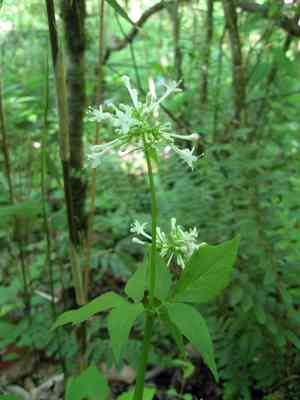
Largeflower valerian is best relocated in the initial stages of spring as fresh shoots emerge. It flourishes in an area receiving dappled sunlight and possessing soil that drains effectively. To achieve optimal outcomes, verify that the soil stays uniformly damp without becoming saturated.
Necessary Preparations Before Moving Largeflower Valerian?
Optimal Period for Relocating Largeflower Valerian?
Largeflower valerian, a perennial, is best moved in early to mid-spring. This timing allows root establishment before summer heat, boosts growth during the active season, and minimizes transplant shock. Also, the soil is more manageable and has ideal moisture levels then.
Recommended Spacing Between Largeflower Valerian Plants?
When relocating largeflower valerian, ensure each plant is spaced 12-18 inches (30-45 cm) apart. This provides ample room for development and air circulation.
Ideal Soil Blend for Largeflower Valerian Relocation?
Prepare the soil for largeflower valerian by ensuring it's well-drained and fertile. Incorporating compost or a balanced base fertilizer will supply vital nutrients. Aim for a soil pH between 6.0-7.0.
Where to Replant Your Largeflower Valerian?
Select a spot for largeflower valerian that gets full sun to partial shade. Ideally, it should receive at least 6 hours of daily sunlight to flourish.
Equipment to Prepare Before Relocating Largeflower Valerian?
Gardening Gloves
To safeguard your hands while handling soil and the plant.
Garden Shovel or Spade
For digging holes and trenches required for removal and replanting.
Hand Trowel
For precise excavation around the plant's root system.
Garden Fork
To aerate soil and carefully extract plants without root damage.
Watering Can or Hose
To maintain soil moisture throughout the process.
Mulch
To aid in retaining soil moisture and protecting roots after transplant.
Compost or Organic Matter
To enrich the soil at the new planting site.
How to Extract Largeflower Valerian from the Ground?
How to Extract Largeflower Valerian from the Ground?
From Ground: First, hydrate the largeflower valerian plant to moisten the soil. Then, dig a wide trench around the plant using a shovel or spade, ensuring the root ball remains intact. Carefully work the spade beneath the root ball to lift the plant from its original spot.From Pot: Gently tap or squeeze the pot's sides to loosen the soil. Tilt the pot sideways and carefully slide the largeflower valerian plant out, holding it by the stem's base. If root-bound, gently separate the roots to encourage outward growth.From Seedling Tray: Use a hand trowel to gently lift the largeflower valerian seedling from the tray, ensuring you include a small amount of soil around the roots. Be gentle to avoid harming the stem or roots.
Step-by-Step Instructions for Relocating Largeflower Valerian
Prepare the New Location
Dig a hole in the new spot that is twice the width and the same depth as the largeflower valerian plant's root ball. Incorporate compost or organic matter to enrich the soil.
Remove Weeds and Debris
Clear the transplant area of any weeds, rocks, or unwanted material to ensure healthy growing conditions for the largeflower valerian.
Replant the Plant
Place the largeflower valerian plant into the hole, ensuring the top of the root ball is level with the surrounding soil. Backfill the hole with soil, gently firming it around the plant.
Water the Plant
Thoroughly water the largeflower valerian plant after placing it in its new location to help settle the soil and eliminate air pockets around the roots.
Apply Mulch
Add a layer of mulch around the base of the largeflower valerian plant to help retain soil moisture and suppress weeds.
Post-Transplant Care for Largeflower Valerian?
Watering
Keep the soil around the largeflower valerian consistently moist, but not waterlogged, for the initial weeks after transplanting to aid in establishing strong roots.
Monitoring
Regularly check the largeflower valerian plant for signs of transplant shock, such as wilting or yellowing leaves, and adjust care as needed.
Fertilizing
After a few weeks, consider feeding the largeflower valerian plant with a balanced organic fertilizer to encourage new growth.
Pest Protection
Watch for pests and diseases, and take action if necessary to protect the largeflower valerian plant as it settles into its new location.
Addressing Common Issues with Largeflower Valerian Relocation.
When is the best time to relocate largeflower valerian?
The ideal time is early to mid-spring or late fall to early winter.
How much space should I leave between largeflower valerian plants?
Keep each plant 12-18 inches (30-45 cm) apart for optimal growth.
What soil type is best for largeflower valerian when relocating?
Largeflower valerian prefers well-draining soil rich in organic matter.
How should I prepare the soil before relocating largeflower valerian?
Loosen the soil to a depth of 12 inches (30 cm) and mix in compost.
How deep should I relocate largeflower valerian?
Plant at the same depth as it was in its original location.
How do I prevent transplant shock for largeflower valerian?
Water thoroughly before and after transplanting and keep the soil consistently moist.
Can I relocate largeflower valerian in summer?
It's not advisable; the heat can stress the plants. Aim for cooler seasons.
Should I prune largeflower valerian before relocating?
Prune back any damaged or weak stems to reduce stress on the plant.
How do I handle the roots when relocating largeflower valerian?
Gently tease apart tangled roots and trim any that are damaged.
How often should largeflower valerian be watered after relocating?
Water regularly to keep the soil moist but not waterlogged, especially in the first few weeks.



