How to Propagate Largeflower valerian?
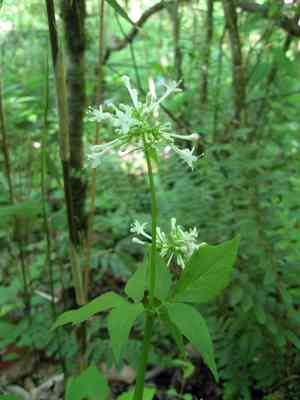
Valeriana officinalis, a member of the Caprifoliaceae family, is multiplied by planting seeds in soil that drains effectively and retains consistent dampness. Verify that the seeds are new to achieve the best germination percentages. Provide a steady setting, preferably with partial shade, for thriving cultivation. Consistent observation and careful handling will foster robust progress. This approach efficiently utilizes the plant's inherent reproductive process.
When Is the Optimal Time to Propagate Largeflower Valerian?
Propagation Type
Sowing
Propagation Season
Spring
What Tools Are Utilized for Largeflower Valerian Propagation?
Seed Trays
Seed trays are vital for initiating seeds in a controlled setting. They offer consistent spacing and ideal conditions for sprouting, minimizing seedling competition and ensuring young plants receive sufficient nutrients and room to develop.
Propagation Mat
A propagation mat provides steady bottom warmth, essential for maintaining the soil temperature needed for seed germination. For largeflower valerian, a consistent temperature range encourages quicker and more uniform sprouting.
Seed Starting Mix
A premium seed starting mix is light and sterile, lowering the chance of damping-off disease, a common problem during seed germination. It guarantees good drainage and aeration, crucial for the delicate roots of largeflower valerian.
Humidity Dome
A humidity dome retains moisture and warmth, creating a miniature greenhouse effect that aids in the germination process. For largeflower valerian, maintaining consistent humidity levels is vital to facilitate sprouting and prevent the seeds from drying out.
Spray Bottle
A spray bottle assists in gently watering new seedlings without disturbing the soil. Keeping largeflower valerian's seedlings moist is necessary for proper growth, and a spray bottle delivers the right amount of moisture delicately and evenly.
Labels
Labels are essential for tracking different plant varieties and sowing dates. Proper identification helps in monitoring the growth progress of largeflower valerian and ensures accurate care tailored to its needs.
Small Garden Trowel
A small garden trowel is useful for moving seedlings from trays to the garden bed or larger containers. For largeflower valerian, careful handling of seedlings minimizes root damage and ensures successful transplantation.
Light Source
A grow light supplies sufficient illumination, especially for indoor germination. Largeflower valerian requires adequate light for photosynthesis once seedlings emerge, and a consistent light source ensures healthy, robust growth.
Fertilizer
A mild, balanced fertilizer supports the growth of largeflower valerian after germination. It provides essential nutrients that help in developing strong, healthy plants ready for outdoor transplanting.
How to Propagate Largeflower Valerian?
Propagation Type
Easy
How to Care for Your Newly Propagated Largeflower Valerian?
How to Care for Your Newly Propagated Largeflower Valerian?
Once germinated, provide the seedlings with ample light, either from a bright window or grow lights. Transplant the seedlings into individual pots when they are large enough to handle, and gradually acclimate them to outdoor conditions before planting them out in their final location. Ensure they are planted in well-drained soil and water regularly to keep the soil moist but not waterlogged. Monitor for pests and diseases, and provide support if necessary to prevent toppling. Fertilize lightly during the growing season to encourage healthy growth.
Common Mistakes to Avoid When Propagating Largeflower Valerian
Overwatering
Excessive watering can lead to root rot, which can significantly reduce the plant's chances of survival. Largeflower valerian prefers well-drained soil, and too much moisture can suffocate the roots.
Improper Soil pH
Using soil with an incorrect pH level can impede nutrient absorption. Largeflower valerian typically thrives in soil with a slightly acidic to neutral pH. Deviation from this can stress the plant and slow its growth.
Inadequate Light
Providing insufficient light can hinder photosynthesis, leading to weak and leggy plants. Largeflower valerian generally needs partial shade to thrive, and excessive sunlight can cause leaf scorch.
Incorrect Planting Depth
Planting seeds or cuttings too deeply can impede their growth. Largeflower valerian requires seeds to be sown at a shallow depth for proper germination and growth.
Poor Hygiene
Neglecting to clean tools and containers can introduce diseases or pests. Largeflower valerian is susceptible to these issues which can hinder successful propagation.
Ignoring Ventilation
Insufficient air circulation can lead to mold and fungal issues. Ensuring good ventilation is essential for largeflower valerian to prevent these problems.
Tips For Propagating Largeflower Valerian
Well-drained Soil
Utilize a well-draining soil mix to prevent water from accumulating around the roots. This helps avoid root rot and promotes healthy growth.
Monitor pH Level
Maintain the soil pH between 6.0 and 7.0, as largeflower valerian thrives best within this range. Use a soil pH testing kit to ensure the levels are appropriate.
Optimal Lighting
Place largeflower valerian in an area where it can receive partial shade. Morning sunlight with afternoon shade is ideal to prevent leaf scorch.
Shallow Planting
When sowing seeds, plant them just below the surface of the soil. For cuttings, ensure they are not too deeply inserted to encourage successful rooting.
Sanitize Tools
Regularly clean and sterilize any tools and containers used for propagation. This helps minimize the risk of disease and pests affecting largeflower valerian.
Ensure Air Circulation
Provide adequate ventilation by spacing plants appropriately and using fans if necessary. This reduces the risk of mold and fungal issues, promoting healthier growth for largeflower valerian.



