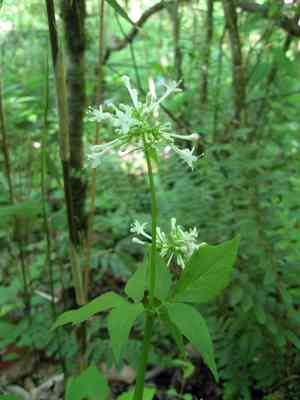
Largeflower valerian(Valeriana pauciflora)

Largeflower valerian (Valeriana pauciflora)

Also known as: Few-flowered Valerian, Pauciflorous Valerian

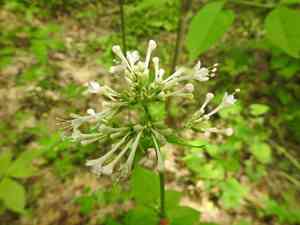
Largeflower valerian (Valeriana macrophylla) is a perennial herb notable for its robust, aromatic, woody roots. It features clusters of small, fragrant flowers that can be white or pale pink, typically blooming from late spring to early summer. Unlike the 'pauciflora' variety, it is recognized for its more abundant floral clusters.

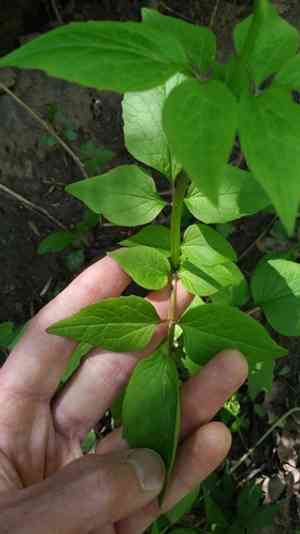
Ecologically, largeflower valerian is highly adaptable, thriving in diverse soil types and temperate climates. Its large, serrated leaves provide habitat and nourishment for wildlife, while its flowers attract pollinators such as bees and butterflies. Additionally, its deep root system helps prevent soil erosion, enhancing soil stability and health.

Attributes of Largeflower valerian

Lifespan
Perennial
Plant Type
Herb
Plant Height
20-40 cm (8-16 inches)
Spread
N/A
Leaf Color
Green
Flower Size
0.5-1 cm
Flower Color
White, Pink

ForwardPlant - Identify plants with a snap

Identify and diagnose plants, get toxicity alerts, and explore safety guides for all types of fungi.

Try for Free

Images of Largeflower valerian

Largeflower valerian(Valeriana pauciflora)

Quickly Identify Largeflower valerian

1
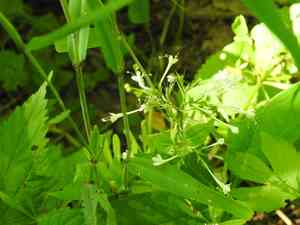
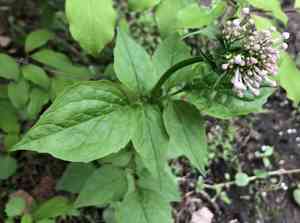
Valeriana pauciflora can be identified by its small cluster of white or pinkish flowers, delicate and slightly feathery leaves, and its relatively short height compared to other Valeriana species.

Scientific Classification of Largeflower valerian

Phylum
Vascular plants
Class
Dicotyledons
Order
Dipsacales
Family
Honeysuckle
Genus
Valeriana
Species
Largeflower valerian

Planting and Growing of Largeflower valerian

Care Difficulty
Moderate
Watering Schedule
Every 2 days
Sunlight Requirements
Partial sun
Sunshine Duration
4-8 hours
Ideal Temperature
60-70℉
Soil Type
Potting Mix, Peat Mix
Soil pH
6.5-7.5
Fertilizer Type
Balanced
Pruning Season
Spring, Summer
Pruning Area
Branches, Leaves
Pruning Frequency
2 times a year
Repotting Season
Spring
Pot Type
Plastic, Ceramic

water icon How to Water Largeflower valerian?

Valeriana pauciflora prefers a consistent but moderate watering regiment. Aim for 200 milliliters per session, ensuring that the soil remains moist yet not drenched. The plant thrives when the water reaches even its deeper roots without causing saturation or pooling.
What are the symptoms of an underwatered Largeflower valerian? ›
What should I do if my Largeflower valerian is not getting enough water? ›
What are the symptoms of an overwatered Largeflower valerian? ›
How to save an overwatered Largeflower valerian? ›

sunlight icon What Are the Sunlight Requirements for Largeflower valerian?

Sunlight Requirements: Partial sun
Duration of light: 4 to 6 hours
Partial sun exposure allows Valeriana pauciflora to flourish, supporting healthy foliage growth. This range supports steady energy intake without the adverse effects of overly intense sunlight, ensuring optimal photosynthesis and robust plant vitality.
Optimal Light Intensity ›
Artificial Light Supplementation ›
Positioning for Ideal Light ›

temperature icon What Is the Ideal Temperature Range for Largeflower valerian?

Ideal Temperature: 60 ~ 70℉
For optimal growth, Valeriana pauciflora should be kept in temperatures ranging from 60°F to 70°F. This range offers a perfect balance that supports healthy physiological functions necessary for the plant's development.

soil icon What Soil is Best for Largeflower valerian?

Soil type: Loam, Calcareous soil, Sandy loam
Soil PH: 6.5 ~ 7.5
Valeriana pauciflora thrives best in well-draining soil that prevents waterlogging. This ensures healthy root growth and reduces the risk of root rot, providing optimal conditions for the plant to flourish. The plant prefers soils with moderate fertility, where essential nutrients are available but not in excess. Balanced nutrient availability supports robust plant growth without encouraging excessive foliage at the expense of flower production. Valeriana pauciflora favors neutral to slightly alkaline pH levels, which help maintain a balanced nutrient uptake essential for healthy plant development and vibrant blooms.

fertilize icon How to Fertilize Largeflower valerian?

Fertilizer type: Balanced
Valeriana pauciflora requires a modest amount of fertilizer. Use a balanced liquid fertilizer diluted to half-strength, applying about 50 ml per plant. Solid fertilizers should be applied sparingly, using only about 20 grams per plant per application.

prune icon How to Prune Largeflower valerian?

Pruning Time: Spring, Summer
Begin by sterilizing your pruning shears to prevent disease transmission. Focus on removing any dead, damaged, or dying stems to maintain overall plant health. Next, trim back spent flowers to encourage new blooms and avoid seed formation. Aim to shape the plant evenly, maintaining a natural appearance. To shape your Valeriana pauciflora, prune selectively to keep a compact structure. Remove any overcrowded branches to improve air flow and light penetration. Regularly monitor for overgrowth, adjusting techniques as necessary to encourage a tidy and balanced form. More About Pruning Techniques→

propagate icon How to Propagate Largeflower valerian plant?

Propagate Time: Early spring, Spring, Late spring
1
Select healthy, non-flowering stems for cuttings. Cut each stem at a 45-degree angle just below a node, removing the lower leaves, and leaving at least a few leaves at the top to ensure energy for growth.
2
Collect seeds from healthy Valeriana pauciflora plants when they are fully matured. Sow the seeds on the surface of a well-draining potting mix, pressing them down lightly, and keep them moist until germination.
3
Carefully dig up an entire clump of Valeriana pauciflora plants. Gently tease apart the roots to separate individual plants, ensuring each has a healthy root system before replanting them immediately.
More About Propagating Techniques→

repot icon How to Repot Largeflower valerian plant?

Repotting frequency: Every 2-3 years
1
Repot Valeriana pauciflora when you notice root-bound symptoms, such as roots growing out of the drainage holes, or the plant begins to wilt despite proper care. The best time for repotting is in spring or autumn when the plant is not actively flowering, allowing it to recover from the stress more effectively.
2
Select a pot that is 1-2 inches larger in diameter than the current one. This ensures enough space for new root growth without overwhelming the plant with excess soil, which can retain too much moisture and cause root rot. A pot with drainage holes is essential to prevent waterlogging.
3
Opt for a well-draining loamy soil mix, which provides balanced moisture retention and aeration. Such a mix helps in preventing root rot while ensuring that the roots receive adequate moisture and nutrients. Adding some perlite can improve drainage and provide consistency in the soil texture.

ForwardPlant - Identify plants with a snap

Find the best spots for them to optimize their health, simply using your phone.

Try for Free