How to Prune Largeflower valerian?
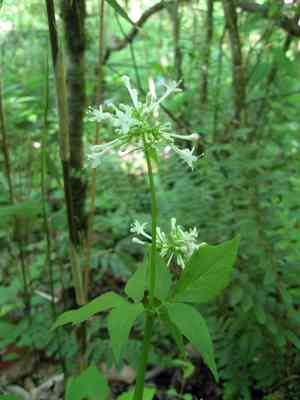
Valeriana macrophylla is recognized for its striking, sizable, and aromatic blossoms. To achieve peak development, trim Valeriana macrophylla in the latter part of winter or early spring, prior to the emergence of new shoots. Sever old, lignified stalks to encourage robust, energetic development. Eliminate deceased or compromised limbs to enhance air circulation and diminish the likelihood of illness. Removing faded blooms can prolong the flowering period. Appropriate trimming not only preserves the plant's form and dimensions but also elevates its general visual attractiveness and capacity for blooming.
What Are the Benefits of Pruning Largeflower Valerian?
What Are the Benefits of Pruning Largeflower Valerian?
Trimming largeflower valerian encourages robust development and maintains its form. It boosts blooming, manages size, and enhances overall look. This practice helps ward off pests and diseases, ensuring a healthier, more resilient plant.
What Is the Best Time for Pruning Largeflower Valerian?
What Is the Best Time for Pruning Largeflower Valerian?
Pruning or trimming largeflower valerian is best done in early spring or late winter as these periods coincide with the plant's inactive phase. During dormancy, largeflower valerian is not actively growing, which minimizes stress from pruning and lowers the chance of disease. Additionally, this timing promotes vigorous new growth in the spring, leading to a more robust and well-shaped plant. Avoid pruning during the active growth and flowering seasons, as it can hinder largeflower valerian's ability to bloom and thrive.
What Tools Do I Need to Prune Largeflower Valerian?
Hand Pruners
Compact and precise, ideal for removing dead or faded flowers and trimming small stems of largeflower valerian.
Garden Scissors
Perfect for accurate cuts on delicate, new growth without harming nearby foliage.
Loppers
Useful for cutting thicker, potentially woody stems; offers more leverage than hand pruners.
Bypass Pruners
Suitable for making clean cuts on live stems, reducing the risk of disease entry.
Pruning Saw
Necessary for older, thicker stems where hand pruners or loppers might struggle.
How to Prune Largeflower Valerian
Inspect
Carefully examine largeflower valerian for parts requiring trimming, specifically looking for diseased and withered leaves. Ensure accurate identification of these areas to avoid unnecessary cutting of healthy sections.
Tools
Gather appropriate pruning implements such as sanitized pruning shears to minimize the risk of infection. Ensure your tools are sharp and clean.
Removal diseased
Begin by cutting away diseased leaves. Prune at the base of the infected leaf stem to remove the entire affected area. Ensure proper disposal of these diseased parts to prevent disease spread.
Removal withered
Next, remove withered leaves. Trim these parts back to the healthy stem or foliage to encourage new growth. Be careful not to damage the surrounding healthy parts of largeflower valerian.
Clean
After pruning, clean your tools with a disinfectant to prevent the spread of any potential pathogens to other plants. Additionally, clear trimmed leaves from around largeflower valerian to avoid mold or pest infestations.
Common Pruning Mistakes with Largeflower Valerian
Over-pruning
Removing too much foliage at once can stress largeflower valerian, reducing its blooming capacity and overall health.
Improper Cutting Technique
Using dull or dirty tools can cause jagged cuts, leading to increased risks of disease and pest infections.
Pruning Too Close to the Ground
Cutting stems too low can harm the plantâs natural growth pattern and delay flowering.
Ignoring Deadheading
Failing to remove spent flowers can result in reduced blooming and the plant diverting energy to seed production instead of growth.
Common Pruning Tips for Largeflower Valerian
Use Sharp, Clean Tools
Ensure that pruning shears or scissors are sharp and sterilized to make clean cuts and minimize the risk of disease.
Remove Dead or Diseased Wood
Regularly remove any dead or diseased stems to encourage healthy growth and prevent the spread of disease.
Prune Lightly and Gradually
Instead of a severe cutback, prune lightly and gradually to shape the plant and stimulate new growth without causing stress.
Consider Plant Structure
Maintain the plant's natural shape by cutting above a bud facing the direction you want the new growth to go, thereby encouraging a more aesthetically pleasing form.
Deadhead Regularly
Remove spent flowers promptly to encourage continuous blooming and prevent the plant from expending energy on seed production.



