How to Transplant Capitate valerian?
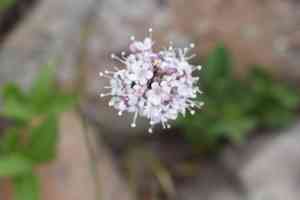
Capitate valerian exhibits superb resilience when transplanted during the lively, burgeoning phase of early to mid-spring. Opt for a location with ample sunlight or partial shade to guarantee successful integration. Refrain from unduly disrupting the root system to lessen the impact of transplant stress.
Essential Preparations Before Relocating Capitate Valerian?
What is the Perfect Period for Moving Capitate Valerian?
The best time to move capitate valerian is during early to mid-spring. Transplanting at this point allows the plant to develop its root system before the intense heat of summer, promoting better development and resilience. This timing takes advantage of increasing daylight and mild temperatures, ensuring a smoother transition and healthier growth.
What is the Recommended Spacing Between Capitate Valerian Plants?
For successful relocation of capitate valerian, aim to position each plant 24-36 inches (60-90 cm) apart. This provides ample room for growth and ensures adequate air circulation.
What is the Ideal Soil Blend for Capitate Valerian Relocation?
Prepare well-draining soil enriched with organic material. You can incorporate compost or a balanced perennial fertilizer to give capitate valerian a nutrient-rich start. Target a soil pH that is slightly acidic to neutral (6.0-7.5).
Where Should You Replant Your Capitate Valerian?
Select a site where capitate valerian will receive full sun to partial shade. This means it should get at least 4-6 hours of direct sunlight daily. In hotter climates, a location with afternoon shade can help protect the plant.
What Tools Should You Gather Before Relocating Capitate Valerian?
Gardening Gloves
To safeguard your hands while handling soil and plants.
Shovel or Spade
For excavating the plant from its original spot and preparing the new planting hole.
Trowel
To assist with more precise digging and soil manipulation.
Garden Fork
Helps to loosen the soil around the plant for easier extraction.
Watering Can or Hose
For hydrating the plant before and after its move.
Pruning Shears
To trim back any damaged or excess foliage to minimize plant stress.
How Do You Extract Capitate Valerian from the Ground?
How Do You Extract Capitate Valerian from the Ground?
From Ground: First, hydrate the capitate valerian plant to moisten the soil. Next, dig a wide trench around the plant using a shovel or spade, ensuring the plant's root ball remains intact. Carefully work the spade beneath the root ball to lift the plant from its initial location.From Pot: Gently water the capitate valerian plant to dampen the soil. Invert the pot while supporting the plant with your hand, and tap the bottom of the pot to release the root ball. If the plant is stuck, run a trowel along the pot's edges to loosen it.From Seedling Tray: Lightly water the capitate valerian plant to make the soil easier to manage. Use a trowel or your fingers to carefully lift the seedling from the tray, ensuring as much of the root system remains intact as possible.
Step-by-Step Guide for Relocating Capitate Valerian
Prepare Planting Site
Dig a hole in your garden that is twice as wide and as deep as the capitate valerian plant's root ball.
Improve Soil
If needed, incorporate compost or other organic material to enhance soil quality and ensure proper drainage.
Move Plant
Place the capitate valerian plant into the prepared hole, ensuring it sits at the same depth as it was previously. Backfill with soil, making sure there are no air pockets around the root ball.
Compact Soil
Gently press down the soil around the plant to stabilize it.
Water Thoroughly
Deeply water the capitate valerian plant to help settle the soil around the roots and reduce transplant shock.
How Do You Care For Capitate Valerian After Relocation?
Watering
Keep the soil around the capitate valerian consistently moist, but not waterlogged, for the initial weeks after transplanting to aid in root establishment.
Mulching
Apply a layer of mulch around the plant's base to retain moisture and suppress weeds.
Monitoring
Regularly inspect the plant for indications of stress or disease. Address any issues promptly to ensure healthy development.
Pruning
Trim back any yellowing or damaged leaves to help the plant direct energy towards new growth.
Protection
If necessary, use a temporary shade cloth to shield the capitate valerian plant from intense sunlight until it becomes established.
Addressing Common Issues with Capitate Valerian Relocation.
When is the optimal time to move capitate valerian?
Early to mid-spring is ideal for relocating capitate valerian for best establishment and growth.
What spacing is needed between each capitate valerian plant?
Ensure each capitate valerian plant is spaced 24-36 inches (61-91 cm) apart for healthy development.
How should I prepare the new location for capitate valerian?
Loosen the soil and mix in compost to enrich the planting site for capitate valerian.
What steps should I take before removing capitate valerian from its original spot?
Water the plant well a day prior to minimize transplant shock for capitate valerian.
How deep should I dig for relocating capitate valerian?
Dig a hole twice the width and equal depth of capitate valerian's root ball.
How should I handle capitate valerian roots during the move?
Gently untangle the roots if they're tightly bound to encourage better growth.
What should I do immediately after relocating capitate valerian?
Water thoroughly after moving capitate valerian to help establish roots in the new location.
Should I fertilize newly relocated capitate valerian plants?
Avoid immediate fertilization. Wait a few weeks to allow capitate valerian to adjust.
What should I look out for after relocating capitate valerian?
Monitor for signs of stress like wilting, and adjust watering as needed.
How can I reduce transplant shock for capitate valerian?
Mulch around capitate valerian to retain soil moisture and regulate temperature during establishment.



