How to Propagate Capitate valerian?
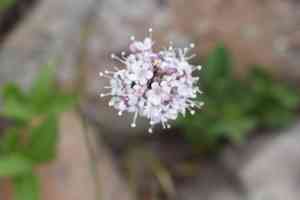
Valeriana capitata can be successfully multiplied by seeding. Verify that the seeds are new and thoroughly cleansed prior to embedding them in damp, adequately draining earth. Preserve steady hydration without saturating the soil, and position them in filtered light for peak sprouting. Once the young plants appear, thin them to prevent excessive density, facilitating proper air movement and development.
Optimal Time for Capitate Valerian Propagation
Propagation Type
Sowing
Propagation Season
Spring
Tools for Capitate Valerian Propagation
Seed Trays
Seed trays offer a controlled setting for germinating capitate valerian seeds. They ensure consistent moisture and temperature, vital for early seedling growth.
Seedling Heat Mats
Seedling heat mats provide steady warmth from below, which can speed up capitate valerian germination by maintaining ideal soil temperature. This is especially useful during colder periods or in cooler environments.
Humidity Dome
A humidity dome maintains high moisture levels around germinating capitate valerian seeds, reducing water loss and fostering healthy seedling development. It helps create a micro-environment that supports uniform growth.
Seed-Starting Mix
A seed-starting mix offers a light, sterile medium that supports capitate valerian seed germination by allowing proper drainage and air circulation while retaining sufficient moisture for seedling growth.
Watering Can with Fine Rose
A watering can with a fine rose attachment ensures gentle irrigation of capitate valerian seedlings, preventing soil displacement and damage to delicate young roots. Consistent moisture without saturation is crucial for healthy development.
Plastic Labels and Marker
Plastic labels and a waterproof marker help track different capitate valerian seed batches and their sowing dates. Accurate labeling assists in monitoring growth and managing care schedules.
Handheld Seed Sower
A handheld seed sower ensures precise distribution of capitate valerian seeds, preventing clumping and overcrowding, which can lead to uneven germination and competition among seedlings for resources.
Spray Bottle
A spray bottle provides a fine mist to keep the soil surface of capitate valerian seed trays consistently moist without disturbing newly sown seeds or young seedlings, aiding in uniform germination and growth.
How to Propagate Capitate Valerian?
Propagation Type
Easy
Caring for Newly Propagated Capitate Valerian
Caring for Newly Propagated Capitate Valerian
After transplanting, water capitate valerian regularly, ensuring the soil stays moist but not waterlogged. Place plants in partial shade to full sun. Apply mulch around the base to retain moisture and regulate soil temperature. Fertilize sparingly, as capitate valerian typically doesn't need heavy feeding. Check for pests and remove any dead or damaged foliage to encourage robust growth.
Common Errors to Avoid When Propagating Capitate Valerian
Overwatering
Excessive moisture can lead to root rot, severely impacting the plant's growth and overall health.
Inadequate Light
Insufficient light can result in weak, leggy growth and decrease the likelihood of successful rooting.
Poor Soil Quality
Using soil that is too dense or lacks proper nutrients can impede root development and affect plant vitality.
Incorrect Cutting Technique
Using dull tools or making uneven cuts can harm plant tissue and reduce the chances of successful propagation.
Neglecting Post-Propagation Care
Failing to monitor and adjust conditions after initial propagation efforts can lead to unsuccessful establishment of new plants.
Tips For Propagating Capitate Valerian
Use Well-Draining Soil
Combine potting soil with sand or perlite to ensure good drainage and aeration for root development.
Proper Water Management
Ensure the soil is moist but not waterlogged. Allow the top inch of soil to dry out before watering again.
Provide Adequate Light
Place cuttings in a location with bright, indirect light to encourage robust growth without scorching the leaves.
Sterilize Tools
Use sterilized, sharp tools to make clean cuts, reducing the risk of disease and promoting healthier cuttings.
Maintain Humidity
Cover cuttings with a plastic dome or bag to create a humid environment, aiding in quicker root formation.
Monitor Growth
Regularly check the cuttings for signs of new growth and adjust environmental conditions as needed to support development.



