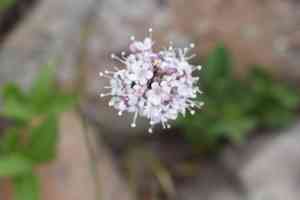
Capitate valerian (Valeriana capitata)
Also known as: Valeriana capitata
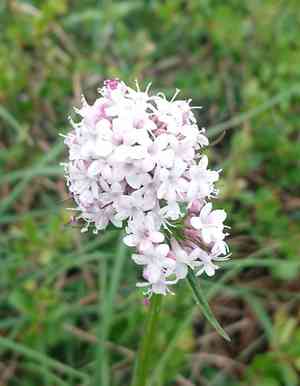
Capitate valerian is a perennial plant known for its clump-forming growth and pinnate leaves. It produces dense, round clusters of sweet-smelling white or pinkish flowers that attract pollinators. This plant thrives in cool, moist environments, commonly found in alpine and subalpine meadows, where its compact form helps it endure tough weather.
In This Article
Attributes of Capitate valerian
Lifespan
Perennial
Plant Type
Herb
Plant Height
10-30 cm
Spread
Approximately 15 cm
Leaf Color
Green
Flower Size
0.5-1 cm per flower
Flower Color
White to pinkish
Images of Capitate valerian
Quickly Identify Capitate valerian
1
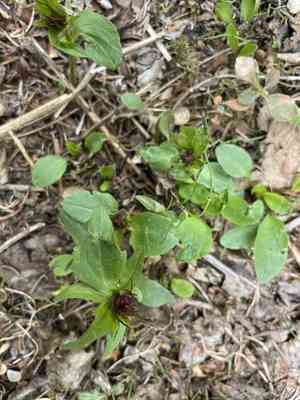
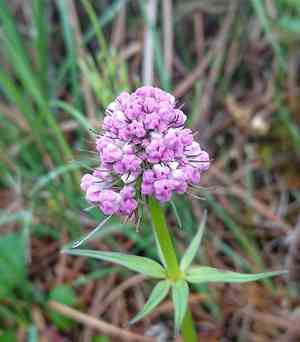
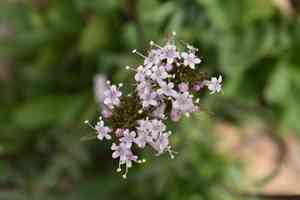
This plant can be identified by its distinct clustered white or pinkish flowers, which form a dense head. The leaves are basal and toothed, and the stems are generally short.
Scientific Classification of Capitate valerian
Phylum
Vascular plants
Class
Dicotyledons
Order
Dipsacales
Family
Honeysuckle
Genus
Valeriana
Species
Capitate valerian
Planting and Growing of Capitate valerian
Care Difficulty
Moderate
Watering Schedule
Every 2 days
Sunlight Requirements
Partial sun
Sunshine Duration
6-10 hours
Ideal Temperature
60-75℉
Soil Type
Potting Mix, Peat Mix
Soil pH
6.5-7.5
Fertilizer Type
Balanced
Pruning Season
Spring, Summer
Pruning Area
Branches, Leaves
Pruning Frequency
2 times a year
Repotting Season
Spring
Pot Type
Plastic, Ceramic
 How to Water Capitate valerian?
Valeriana capitata thrives with moderate watering. One should aim to provide approximately 250 ml of water per session. This should ensure that the soil is evenly moist but never waterlogged. The goal is to saturate the root zone without allowing excess water to pool at the base.
What are the symptoms of an underwatered Capitate valerian?
›
What should I do if my Capitate valerian is not getting enough water?
›
What are the symptoms of an overwatered Capitate valerian?
›
How to save an overwatered Capitate valerian?
›
 What Are the Sunlight Requirements for Capitate valerian?
Partial sunlight, involving 4-6 hours daily, is recommended for Valeriana capitata. This range is ideal as it ensures the plant gets enough sunlight for photosynthesis without the scorching effects of intense sun, promoting healthy growth and vibrant foliage.
What is the best type of sunlight for Valeriana capitata?
›
How can I ensure Valeriana capitata gets its ideal light conditions?
›
What benefits does Valeriana capitata receive from optimal lighting?
›
 What Is the Ideal Temperature Range for Capitate valerian?
The ideal temperature range for growing Valeriana capitata is between 60°F and 75°F. This range ensures optimal growth by providing a stable environment that mimics the plant's native habitat. Maintaining these temperatures promotes healthy leaf development and robust root growth.
 What Soil is Best for Capitate valerian?
Valeriana capitata thrives in nutrient-rich soils that are well-aerated to support healthy root development. Providing a mix of organic matter and well-drained soil ensures the plant receives essential nutrients, aiding in robust growth and vibrant foliage. The plant benefits from soils that retain moisture without becoming waterlogged. Sandy loam, with its excellent drainage properties, ensures that the plant gets adequate hydration. Proper moisture levels help maintain the plant’s turgor, especially during dry spells. Soils with a neutral pH range between 6.5 to 7.5 are ideal for Valeriana capitata. Such balance allows for optimal nutrient absorption and promotes symbiotic relationships with essential soil microorganisms, enhancing overall plant health.
 How to Fertilize Capitate valerian?
For Valeriana capitata, use a balanced 10-10-10 liquid fertilizer diluted to half strength. Apply 1 cup of this solution per plant, ensuring the soil is moist beforehand to avoid root burn.
 How to Prune Capitate valerian?
Before pruning Valeriana capitata, study its growth patterns to ensure selective pruning. Focus on removing dead or overgrown parts without disrupting the plant's natural shape and growth direction. Begin by removing any dead or diseased stems to enhance overall plant health. Trim back long, leggy growth to maintain a compact and tidy appearance, and encourage better flowering. After pruning, water the plant thoroughly and add a layer of mulch to retain moisture. This extra care supports recovery and vigorous regrowth, ensuring the plant thrives.
More About Pruning Techniques→
 How to Propagate Capitate valerian plant?
1
Begin by preparing a seed-starting mix in a propagation tray. Sow the seeds of Valeriana capitata just below the surface of the soil mix. Maintain a consistent moisture level by lightly misting the soil and never let it dry out completely.
2
Select healthy stems from a mature Valeriana capitata plant. Cut 4-6 inch lengths below a node using sharp garden shears. Remove lower leaves to prevent rot and dip the cut ends in rooting hormone to promote root development.
3
Carefully dig around the plant to expose the root system. Gently separate a portion of the plant from the main section using clean hands or tools, ensuring each division has adequate roots and shoots for healthy growth.
 How to Repot Capitate valerian plant?
1
Valeriana capitata shows signs like roots growing out of drainage holes or wilting despite proper care when it needs repotting. Generally, if growth seems stunted or the plant is not thriving as it used to, it's time to consider providing it more space.
2
Select a pot that is 1-2 inches larger in diameter than the current one. Clay pots are good for promoting aeration but make sure it has adequate drainage holes. Choosing the right size ensures room for growth and helps prevent root rot by avoiding water logging.
3
Opt for a well-draining, loamy soil mix that's slightly acidic to neutral in pH. This type of soil helps maintain moisture balance and provides essential nutrients while preventing the stagnation of water around roots, essential for the plant's health.
Learn More About Capitate valerian Diseases
Anthracnose
Bacterial Leaf Spot
Bacterial Soft Rot
Bacterial Wilt
Black Spot
Chemical Injury
Damping-off
Downy Mildew
Drought Stress
Fusarium Wilt
Gray Mold
Leaf Curl
Leaf Spot
Mosaic
Nutrient Deficiency
Nutrient Toxicity
Powdery Mildew
Root Rot
Root-knot Nematode
Rusts
Sooty Mold
Spider Mites
Temperature Stress
Thrips Damage
White Mold



