How to Prune Capitate valerian?
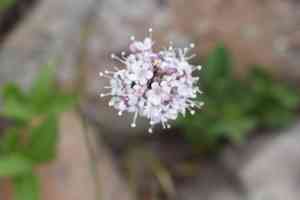
Valeriana capitata is a perennial herb recognized for its dense flower clusters and fragrant foliage. Perform trimming in late winter or early spring prior to the emergence of new shoots. Eliminate any withered or compromised stalks to foster robust development and sculpt the plant. Refrain from extensive cutting, as this may induce strain; gentle shaping is adequate. Consistently remove faded blossoms to encourage extended flowering. Trimming aids in sustaining vitality, improving air movement, and deterring ailments, thereby guaranteeing a thriving cultivation period.
What Are the Benefits of Pruning Capitate Valerian?
What Are the Benefits of Pruning Capitate Valerian?
Trimming capitate valerian encourages robust development and helps maintain a desired form, ensuring the plant remains healthy and visually appealing. It promotes strong growth and assists in managing its size for a well-kept garden appearance.
What Is the Best Time for Pruning Capitate Valerian?
What Is the Best Time for Pruning Capitate Valerian?
Early spring and late winter are ideal periods for trimming capitate valerian as they align with the plant's inactive phase, allowing for minimal stress and faster recovery. Pruning during these seasons fosters healthy new growth in the upcoming active period and helps boost the plant's overall vitality. Furthermore, trimming before the active growth season ensures the plant will have a strong framework to support its flowering cycle.
What Tools Do I Need to Prune Capitate Valerian?
Bypass pruners
These are perfect for making clean cuts on living stems and are excellent for precise trimming of capitate valerian's delicate stems.
Handheld pruning shears
Suitable for thicker stems and branches, offering improved leverage and cutting power for capitate valerian.
Precision snips
These are superb for detailed trimming, especially around flower clusters, ensuring the plant stays healthy and well-shaped.
Gloves
Protect hands during pruning, as capitate valerian may have sharp points or irritating sap.
How to Prune Capitate Valerian
Inspect
Carefully check capitate valerian for any indications of diseased or withered leaves. This step ensures you pinpoint the specific areas needing trimming.
Sanitize
Disinfect your pruning shears with a solution of one part bleach to nine parts water. This prevents the spread of diseases to healthy parts of capitate valerian.
TrimDiseasedLeaves
Identify and remove any diseased leaves first by making a clean cut at the base of the leaf stem. Be sure to discard these leaves away from other plants to prevent contamination.
TrimWitheredLeaves
Cut away withered or dead leaves by snipping them off just above the base of the leaf stem or as close to the main plant body without harming healthy tissue.
DisposeProperly
Collect all trimmed material and dispose of it correctly, either by burning or sealing it in a plastic bag to prevent the spread of any potential diseases.
Common Pruning Mistakes with Capitate Valerian
Over-pruning
Removing too much foliage at once can stress capitate valerian and hinder its growth and flowering. Itâs crucial to prune cautiously and avoid cutting back more than one-third of the plant at a time.
Incorrect cuts
Using improper cutting methods, such as leaving stubs or making jagged cuts, can lead to disease and pest infestation. Always use sharp, clean pruning tools to make clean cuts just above a leaf node or bud.
Poor tool hygiene
Failing to clean pruning tools between cuts can spread diseases. Always sanitize your tools before and after trimming capitate valerian to help maintain plant health.
Pruning at the wrong time
Although the best season for pruning is excluded, timing still matters within any given season. Avoid trimming capitate valerian when itâs about to set seed or during dormancy outside of the recommended periods.
Common Pruning Tips for Capitate Valerian
Light pruning
Regularly perform light trimming to gently shape capitate valerian and remove any dead or damaged foliage. This maintains the plant's overall health and encourages better air circulation.
Focus on deadheading
Deadhead spent flowers to direct the plant's energy towards new growth and more blooms. Cut back the flower stalk to the first set of healthy leaves.
Thin crowded areas
Thin out crowded branches to enhance light penetration and air flow, which can prevent fungal infections and other plant diseases. Aim for an open structure that allows sunlight to reach more parts of capitate valerian.
Monitor plant stress
Always observe capitate valerian after trimming for signs of stress such as wilting or unusual coloration. Adjust your pruning strategy if the plant appears stressed, providing extra care and possibly reducing the frequency of pruning.



